Are your houseplants looking a little lackluster? Do you struggle with plants that just won’t thrive, no matter how much you water or fertilize them? The secret to a happy, healthy indoor garden often lies right beneath the surface: in the potting mix!
While store-bought potting soil is a good starting point, not all plants are created equal. Customizing your potting mix allows you to cater to the specific needs of each plant, providing the perfect balance of drainage, aeration, and nutrient retention. Think of it as tailoring a suit – one size doesn’t fit all, and a custom fit always looks better!
Join us as we dive into the wonderful world of potting mixes and discover how to create the ideal blend for your beloved houseplants, ensuring they flourish and bring even more joy to your home.
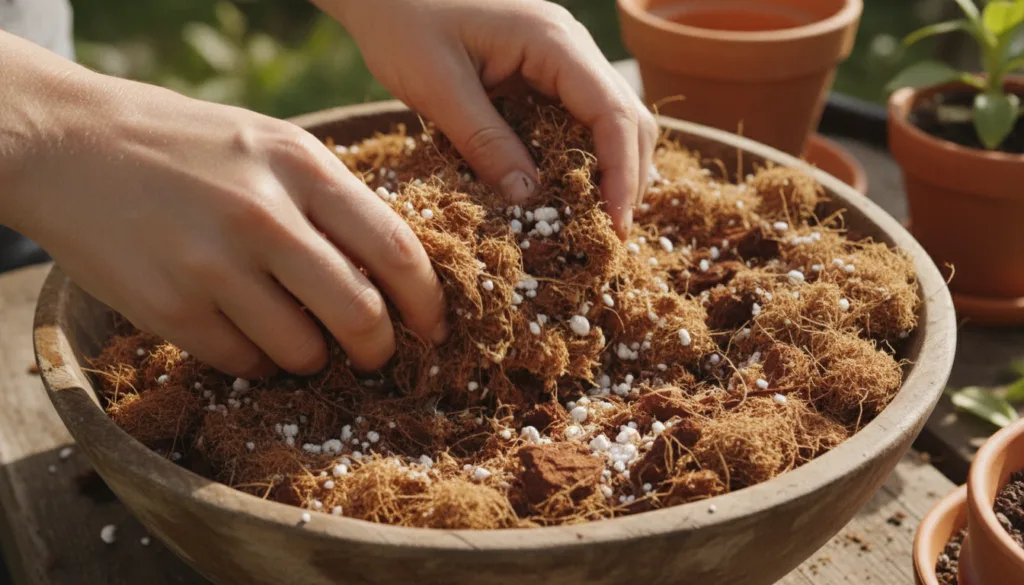
Why Custom Potting Mix Makes All the Difference
Many commercially available potting soils are designed as general-purpose mixes. While they might work for a wide range of plants, they don’t necessarily optimize conditions for every single one. For example, a succulent needs a mix that drains very quickly, while a fern prefers something that retains more moisture.
Using a custom mix helps you:
- Prevent Root Rot: Proper drainage is key to preventing overwatering and deadly root rot.
- Improve Aeration: Roots need oxygen to breathe! A well-aerated mix ensures healthy root development.
- Optimize Moisture Retention: Some plants love consistently moist soil, others prefer to dry out between waterings.
- Provide Tailored Nutrients: Adding specific amendments can boost plant health right from the start.
- Save Money: Buying bulk ingredients and mixing your own can be more cost-effective in the long run.
Essential Components of a Great Potting Mix
Understanding the role of each ingredient is the first step to becoming a potting mix master. Here are the core components you’ll typically work with:
1. The Base: Moisture Retention & Structure
- Peat Moss: Excellent at retaining moisture and nutrients. However, it’s non-renewable, so consider alternatives if sustainability is a concern.
- Coco Coir: A sustainable alternative to peat moss, made from coconut husks. It also holds water well and provides good aeration.
- Compost/Worm Castings: Adds vital nutrients and beneficial microbes, improving soil health and fertility.
2. Aeration & Drainage: Preventing Soggy Roots
- Perlite: Lightweight, volcanic rock that improves drainage and aeration by creating air pockets.
- Pumice: Similar to perlite but heavier and less prone to floating. Also excellent for drainage.
- Coarse Sand: Adds weight and improves drainage, particularly useful for cacti and succulents.
- Orchid Bark/Pine Bark Fines: Provides excellent drainage and aeration, especially for epiphytic plants like orchids and aroids that prefer a chunkier mix.
3. Nutrient Boosters (Optional)
- Worm Castings: A natural, slow-release fertilizer packed with beneficial microorganisms.
- Balanced Slow-Release Fertilizer: Can be incorporated into the mix for a steady supply of nutrients over time.
Tailoring Your Mix to Your Plant’s Needs
Before you start mixing, think about what your plant needs. Is it a desert dweller or a jungle native?
For Moisture-Loving Plants (e.g., Ferns, Peace Lilies, Calatheas)
These plants prefer soil that remains consistently moist but not waterlogged. Your mix should have good moisture retention with decent drainage.
- Recipe Idea: 60% Coco Coir or Peat Moss, 20% Perlite, 20% Worm Castings/Compost.
For General Houseplants (e.g., Pothos, Philodendrons, Spider Plants)
Most common houseplants thrive in a well-draining, yet moisture-retentive mix.
- Recipe Idea: 50% Coco Coir or Peat Moss, 30% Perlite or Pumice, 20% Worm Castings/Compost.
For Succulents & Cacti (e.g., Echeveria, Sansevieria, Aloe)
These plants demand excellent drainage to prevent root rot. They like to dry out completely between waterings.
- Recipe Idea: 40% Coarse Sand or Pumice, 30% Perlite, 20% Coco Coir or Peat Moss, 10% Worm Castings.
For Aroids & Epiphytes (e.g., Monstera, Orchids, Anthurium)
These plants often grow on trees in their natural habitat and need a very chunky, airy mix that drains extremely fast.
- Recipe Idea: 50% Orchid Bark/Pine Bark Fines, 30% Perlite or Pumice, 20% Coco Coir or Peat Moss.
Tips for Mixing and Using Your Custom Soil
- Start with Clean Tools: Always use clean buckets, scoops, and gloves to avoid introducing pests or diseases.
- Mix Thoroughly: Ensure all ingredients are evenly distributed for consistent results.
- Pre-Moisten (Optional): Some growers like to slightly moisten the mix before potting to prevent it from becoming hydrophobic, especially if using a lot of coco coir or peat moss.
- Sterilization (If Necessary): If you’re using garden soil or unpasteurized compost, you might consider sterilizing your mix (e.g., by baking it in the oven) to kill off weed seeds, pests, and pathogens.
- Store Properly: Keep any leftover mix in an airtight container in a cool, dry place to maintain its quality and prevent contamination.
Unleash Your Inner Plant Guru!
Creating your own potting mixes is a rewarding step in your gardening journey. It gives you greater control over your plants’ environment and helps you understand their needs more intimately. No more guessing why your plants aren’t happy – you’ll be providing them with a perfectly tailored home!
Experiment with these recipes, observe how your plants respond, and don’t be afraid to adjust. Happy mixing, and may your houseplants thrive like never before!