Welcome, fellow garden enthusiasts! Have you ever wondered why some of your plants thrive while others struggle, even with the same care routine? Often, the secret lies not just in what you plant, but where you plant it – specifically, the pot! Choosing the right pot for your beloved plants is like finding them their perfect home. It’s crucial for their health, growth, and overall well-being. Let’s dive into the world of potting and discover how to match your plants to their ideal homes.
Why the Right Pot Matters So Much
A pot is more than just a decorative holder; it’s a vital part of your plant’s ecosystem. The right pot contributes significantly to:
- Root Health: Roots need space to grow, breathe, and access nutrients. An appropriately sized pot prevents roots from becoming root-bound or drowning in excess moisture.
- Moisture Regulation: Different pot materials affect how quickly soil dries out. Matching the pot material to your plant’s water needs is essential.
- Nutrient Availability: Good drainage prevents nutrient leaching and ensures the soil retains necessary elements for growth.
- Stability and Support: Larger plants need sturdy pots to prevent tipping, especially in windy conditions.
- Pest and Disease Prevention: Proper drainage and air circulation, often influenced by the pot, reduce the risk of root rot and fungal diseases.
Understanding Pot Materials: Pros and Cons
Pots come in a delightful array of materials, each with its own characteristics.
Terracotta and Clay Pots
These classic pots are porous, allowing air and moisture to pass through their walls. This makes them excellent for plants that prefer drier soil or are prone to root rot, like succulents, cacti, and herbs. However, they dry out quickly, so moisture-loving plants might need more frequent watering.
Plastic Pots
Lightweight, durable, and affordable, plastic pots retain moisture well, making them suitable for plants that prefer consistently moist soil. They are also great for beginners and can come in many colors and styles. Ensure they have adequate drainage holes.
Ceramic and Glazed Pots
Often beautifully decorated, these pots are less porous than terracotta, retaining moisture similar to plastic. They are heavier and more stable, perfect for larger indoor plants or as decorative outdoor pieces. Always check for drainage holes!
Wooden Planters
Cedar and redwood are popular choices for wooden planters due to their natural resistance to rot. They offer good insulation and can be very aesthetically pleasing for larger plants or vegetables. They do eventually decompose, so their lifespan is shorter than other materials.
Metal Containers
While stylish, metal pots can heat up quickly in direct sun, potentially harming roots. They are best used in shadier spots or for plants tolerant of temperature fluctuations. Look for designs with good drainage.
Fabric Grow Bags
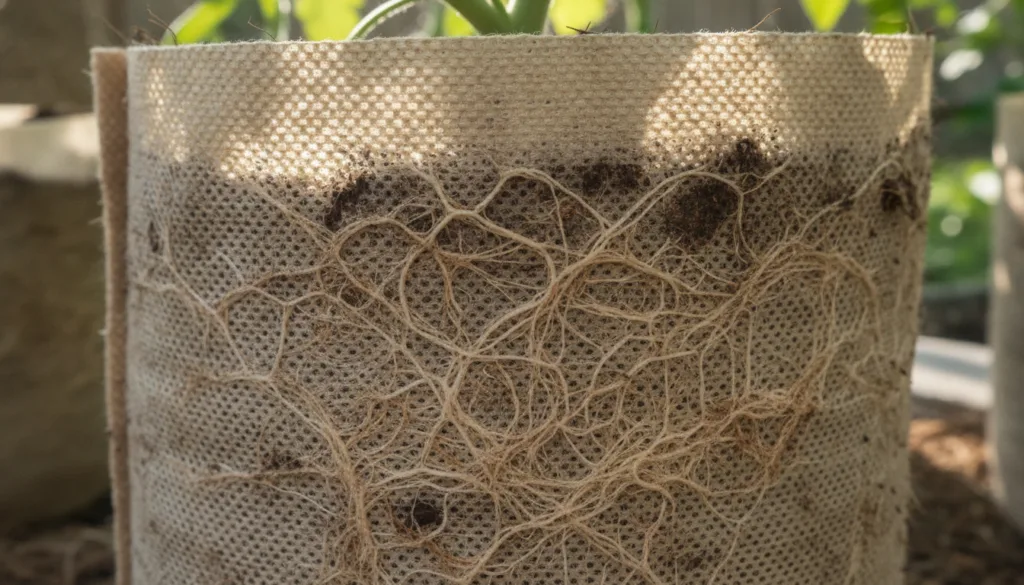
A relatively new favorite, fabric grow bags offer excellent air circulation, preventing root circling and promoting healthier root systems. They are lightweight, portable, and great for vegetables, herbs, and even small trees. They also air-prune roots naturally.
Size Matters: Finding the Perfect Fit
The size of the pot is just as critical as its material. Too small, and your plant will become root-bound, stunting its growth. Too large, and the excess soil will hold too much moisture, leading to root rot.
- Match Root Ball Size: A good rule of thumb is to choose a pot that is 1-2 inches wider than the plant’s current root ball for small to medium plants. For larger plants, a pot 2-4 inches wider may be appropriate.
- Consider Growth Habits: Fast-growing plants or those with extensive root systems (like many vegetables) will need larger pots or more frequent repotting. Slow-growing plants can stay in smaller pots longer.
- Don’t Oversize: Resist the urge to put a tiny seedling in a huge pot. It can lead to waterlogging and slower growth. Gradually increase pot size as the plant grows.
Drainage is Key: Don’t Drown Your Plants!
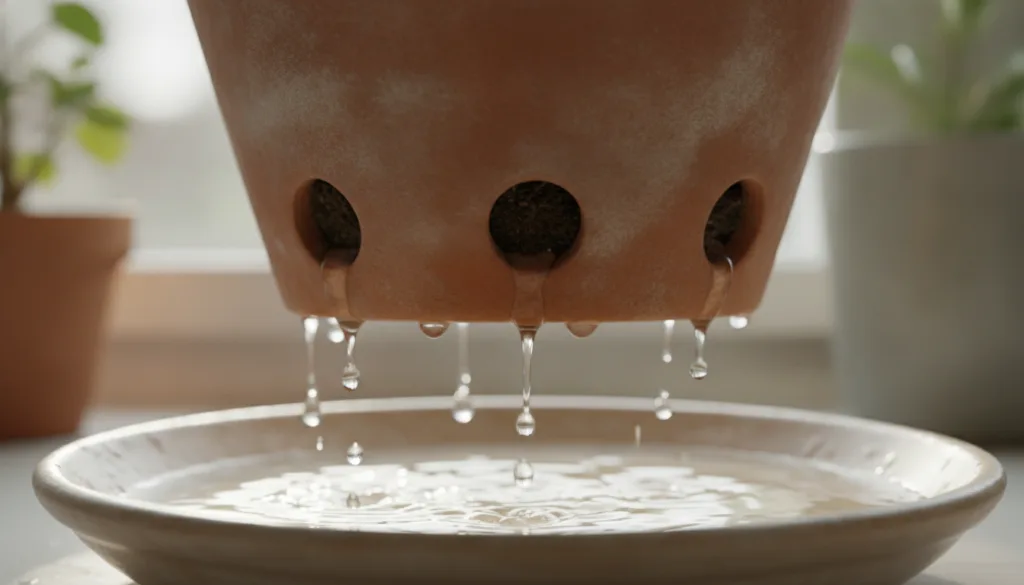
No matter the material or size, proper drainage is non-negotiable. Standing water at the bottom of a pot suffocates roots and invites disease.
- Drainage Holes: Always choose pots with drainage holes. If a pot you love doesn’t have them, you’ll need to drill your own or use it as a cachepot (decorative outer pot) with an inner pot that does have holes.
- Drainage Layers: While a layer of gravel or broken pot shards at the bottom was once common advice, studies show it doesn’t improve drainage and can even create a perched water table, which is detrimental. Stick to good quality potting mix directly over the drainage hole.
- Potting Mix: Use a well-draining potting mix suited to your plant’s needs. For succulents, a gritty mix is best; for moisture-loving plants, a mix with more organic matter is suitable.
Aesthetics and Design: Pots as Garden Art
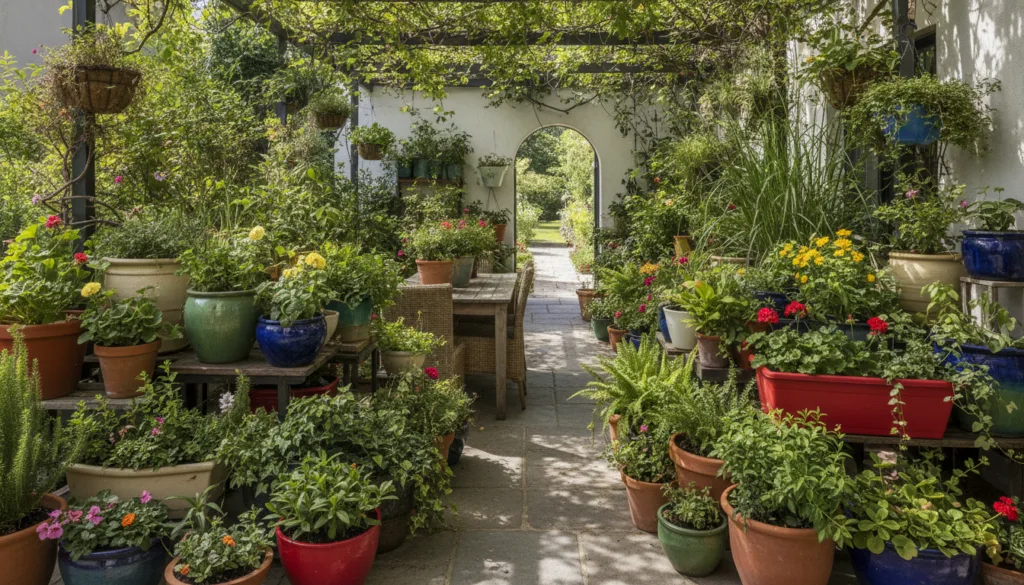
Beyond functionality, pots play a huge role in your garden’s or home’s aesthetic. Choose pots that complement your decor and the plants themselves. Grouping different textures, colors, and heights of pots can create stunning visual interest, turning your collection of plants into a living piece of art.
When to Repot: Signs Your Plant Needs a New Home
Even the perfect pot won’t be perfect forever. Plants grow! Look for these signs that it’s time for an upgrade:
- Roots are growing out of the drainage holes.
- Water runs straight through the pot without soaking into the soil.
- The plant’s growth has slowed significantly or stopped.
- The plant looks top-heavy and unstable.
- You see a dense mat of roots when you gently lift the plant from its current pot.
Conclusion
Choosing the right pot is a foundational step in successful gardening, whether you’re growing vibrant flowers, luscious vegetables, or serene indoor plants. By considering material, size, and drainage, you’re not just housing a plant; you’re providing it with the optimal environment to flourish. Happy potting, and may your plants always find their perfect home!