A simple DIY blend of Vaseline and baking soda is trending for its potential to support a smoother, more radiant complexion. This combination, often shared as a homemade facial paste, aims to offer a natural approach to achieving a fresher look.
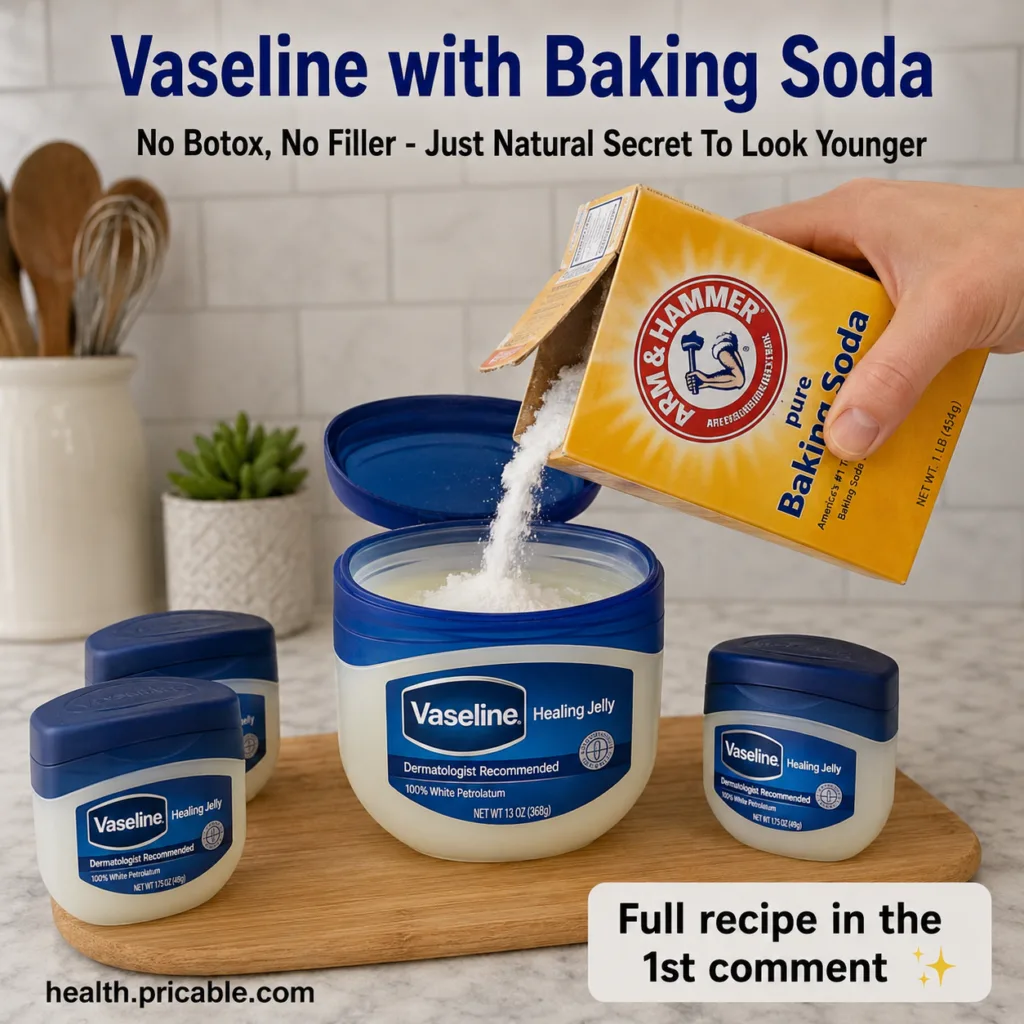
Quick Recipe
Prep time: 2 minutes
Best for: Addressing dullness, supporting smoother skin appearance
Use type: Facial paste/mask
Main ingredients:
- Petroleum jelly (Vaseline)
- Baking soda
Ingredients
- 1 teaspoon petroleum jelly (like Vaseline Healing Jelly)
- ¼ teaspoon baking soda (sodium bicarbonate)
How to Make It
- In a small, clean, non-metallic bowl, add 1 teaspoon of petroleum jelly.
- Sprinkle ¼ teaspoon of baking soda into the petroleum jelly.
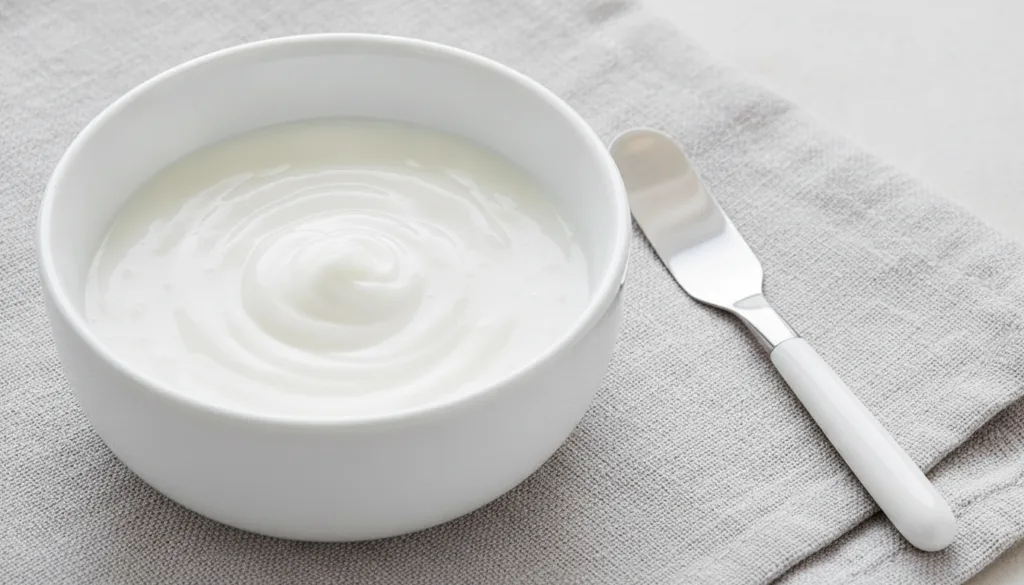
- Using a clean spoon or spatula, mix the two ingredients thoroughly until a smooth, uniform paste is formed. Ensure there are no lumps of baking soda.
How to Use It
- Start with a clean, dry face.
- Apply a very thin layer of the paste evenly to your face, avoiding the delicate eye area and lips.
- Gently massage the paste into your skin using small, circular motions for no more than 30 seconds, focusing on areas you wish to exfoliate or smooth.
- Leave the mask on for a maximum of 5 minutes. If you experience any discomfort, rinse it off immediately.
- Rinse your face thoroughly with lukewarm water, ensuring all residue is removed.
- Pat your skin dry with a soft, clean towel and follow with your usual moisturizer.
How Often to Use It
Due to the exfoliating nature of baking soda, this remedy should be used sparingly. We recommend using it no more than once every 1-2 weeks. Overuse can lead to skin irritation or dryness.

Why These Ingredients Are Used
Petroleum Jelly (Vaseline)
Petroleum jelly is widely known for its occlusive properties, meaning it forms a protective barrier on the skin’s surface. This barrier helps to lock in moisture, prevent water loss, and support the skin’s natural healing process. It can help skin feel softer and appear more supple.
Baking Soda (Sodium Bicarbonate)
Baking soda is a mild abrasive that is sometimes used in DIY beauty for its exfoliating qualities. When gently massaged onto the skin, it may help to remove dead skin cells, contributing to a brighter-looking complexion and a feeling of smoother skin. However, its alkaline pH means it must be used with caution.
What Results to Expect
When used correctly and sparingly, this Vaseline and baking soda paste may help your skin feel smoother and look more radiant due to its exfoliating action. The hydrating properties of petroleum jelly can also support a plumped, more moisturized appearance, contributing to a fresher-looking glow. Consistent use may help improve the appearance of dullness.
Safety Notes
- Patch test first: Always apply a small amount of the paste to an inconspicuous area of your skin (e.g., behind the ear or on the inner arm) 24 hours before full facial application to check for any adverse reactions.
- Use gently: Baking soda can be abrasive. Avoid harsh scrubbing, especially on delicate facial skin.
- Avoid irritated or broken skin: Do not apply this mask to areas with cuts, rashes, sunburn, or active acne breakouts, as it can cause further irritation.
- Limit duration: Do not leave the mask on for longer than 5 minutes. Prolonged contact, especially with baking soda, can lead to dryness or irritation.
- Stop if discomfort occurs: If you experience any redness, stinging, itching, or burning sensation, rinse the mask off immediately with lukewarm water.
- Not for all skin types: Individuals with very sensitive, dry, or compromised skin barriers should avoid this remedy entirely, as baking soda’s alkaline pH can disrupt the skin’s natural acid mantle.
- Consult a professional: If you have persistent skin concerns or conditions, it’s always best to consult a dermatologist before trying new DIY remedies.
FAQ
Can I use this mask every day?
No, this mask should not be used daily. Due to the exfoliating nature of baking soda, using it too frequently can strip your skin’s natural oils, disrupt its pH balance, and lead to dryness, irritation, or increased sensitivity. Limit use to once every 1-2 weeks at most.
Is baking soda safe for all skin types?
Baking soda is not safe for all skin types. Its alkaline pH (around 8-9) is much higher than the skin’s natural acidic pH (around 4.5-5.5). This can disrupt the skin’s protective barrier, leading to dryness, irritation, and increased vulnerability to environmental damage, especially for sensitive or already dry skin.
Will this remedy provide results similar to professional treatments like Botox or fillers?
No, this homemade remedy will not provide results comparable to professional treatments like Botox or dermal fillers. Botox works by relaxing facial muscles to reduce the appearance of wrinkles, while fillers add volume to smooth lines and enhance features. This DIY paste offers only mild exfoliation and hydration to support the skin’s appearance, and its effects are temporary and superficial.
Final Thoughts
The Vaseline and baking soda paste is a simple, trending DIY that can offer temporary benefits like smoother-feeling skin and a more radiant look, primarily through gentle exfoliation and hydration. However, it’s crucial to approach this remedy with caution, prioritize skin safety, and remember that consistent, gentle care is key to a healthy complexion. Always perform a patch test and listen to your skin’s unique needs. For lasting skin health advice, consulting a skincare professional is always recommended!