Over 40? Discover 4 Worst Dried Fruits & 4 Best for Health
Do you often reach for a handful of dried fruit for a quick snack, thinking it’s always a healthy choice? Many of us do! It’s convenient, sweet, and feels natural. But what if some of those seemingly innocent dried treats are actually working against your wellness goals, especially as you navigate life over 40?
It turns out that not all dried fruits are created equal. Some can be hidden sources of excess sugar and additives, potentially impacting everything from your energy levels to subtle aches and pains. Let’s uncover the surprising truth behind these popular snacks and discover how to make smarter choices that truly support your health and vitality.
Why This Matters for Your Wellness Over 40
As we mature, our bodies become a little more discerning about what we put into them. Our metabolism might slow slightly, our blood sugar regulation can become more sensitive, and inflammation can sneak in more easily. This is why paying attention to everyday snacks, like dried fruits, becomes even more important.
Many people assume all dried fruit is simply “fruit,” and therefore inherently healthy. While fresh fruit is undoubtedly a powerhouse of nutrients, the drying process, and especially what’s added during or after, can significantly alter its nutritional profile. For those over 40, choosing wisely can impact everything from maintaining a healthy weight and stable energy to supporting joint comfort and overall vitality. It’s about optimizing your choices to support graceful aging and a vibrant life.
The Hidden Truths About Dried Fruits
Dried fruits are essentially fresh fruits from which most of the water content has been removed. This concentrates their nutrients, fiber, and, importantly, their natural sugars. While this can be a good thing for quick energy and a concentrated dose of vitamins, it also means portion control is key.
The real difference lies in *how* they are dried and *what* gets added. Some are simply sun-dried or dehydrated, retaining their natural goodness. Others undergo processes that introduce extra sugars, oils, or preservatives, transforming them into something far less beneficial.
The Dried Fruits to Be Wary Of: The “Worst” Offenders
When you’re looking to optimize your health, especially after 40, certain dried fruits might be doing more harm than good. The biggest culprit? Added sugar.
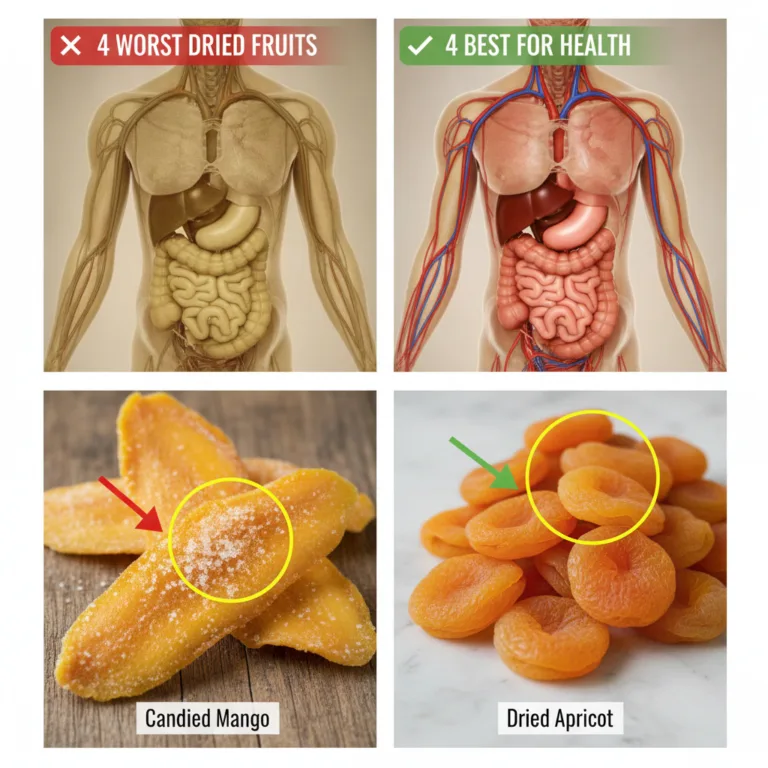
- Candied & Glazed Fruits: Think candied mango, pineapple, or papaya. These are often soaked in sugar syrup, then sometimes coated with even more sugar. While delicious, they can be sugar bombs, leading to rapid blood sugar spikes and increased calorie intake without much nutritional gain.
- Sweetened Cranberries & Blueberries: Fresh cranberries and blueberries are wonderfully tart and packed with antioxidants. However, when dried, they are almost always heavily sweetened to counteract their natural tartness. Check the ingredient list – you’ll often find sugar or high-fructose corn syrup among the first ingredients.
- Dried Fruits with Added Oils & Sulfites: Some dried fruits, like certain raisins or apricots, might have added oils (like sunflower oil) to prevent sticking, or sulfites as preservatives to maintain color and extend shelf life. While oils add extra calories, sulfites can cause reactions in sensitive individuals, including those with asthma.
Consuming too much added sugar, regardless of its source, can contribute to inflammation in the body, which is a key factor in many age-related concerns, including joint discomfort and even cognitive health.

The Dried Fruits to Embrace: The “Best” for Health
Thankfully, there are many fantastic dried fruit options that can be a healthy and delicious part of your diet. The key is to look for varieties that are unsweetened and have no added oils or preservatives.
- Unsweetened Dried Apricots: These golden gems are rich in fiber, potassium, and vitamin A. They can support healthy digestion and provide important antioxidants. Look for natural, brownish apricots, as bright orange ones are often treated with sulfites (though not harmful for everyone).
- Prunes (Dried Plums): Famous for their digestive benefits due to high fiber and sorbitol content, prunes also offer potassium, vitamin K, and beneficial antioxidants. They’re a fantastic choice for supporting bone health too.
- Dates: Naturally sweet and caramel-like, dates are an excellent source of quick energy, fiber, potassium, and magnesium. They can be a wonderful natural sweetener in recipes or a satisfying snack on their own.
- Unsweetened Raisins: These classic dried grapes are surprisingly potent! They contain fiber, iron, and antioxidants, including beneficial polyphenols. Just ensure you’re choosing varieties without added sugar.
- Figs: High in fiber, calcium, potassium, and magnesium, dried figs are a powerhouse for digestive health and bone support. Their unique texture and subtle sweetness make them a satisfying treat.
These naturally dried fruits offer a concentrated dose of vitamins, minerals, and fiber, which can help stabilize blood sugar, support gut health, and provide sustained energy – all crucial elements for wellness over 40.

Practical Guide: Enjoying Dried Fruits Smartly
Even the “best” dried fruits are concentrated in natural sugars and calories, so portion control is essential. A small handful (about 1/4 cup) is typically a good serving size.
Choosing & Buying Tips:
- Read Labels Carefully: Always check the ingredient list. Look for “fruit” as the only ingredient. Avoid anything with “sugar,” “syrup,” “cane juice,” or “oil” if you’re aiming for the healthiest options.
- Opt for Organic: If possible, choose organic dried fruits to minimize exposure to pesticides.
- “Unsweetened” is Key: For fruits like cranberries and cherries, explicitly seek out “unsweetened” varieties.
Usage Ideas:
- Smart Snacking: Combine dried fruit with a source of protein or healthy fat, like a small handful of nuts or seeds, to slow sugar absorption and keep you feeling fuller longer.
- Oatmeal & Yogurt Topping: Sprinkle chopped dried fruit over your morning oatmeal or plain Greek yogurt for natural sweetness and added texture.
- Salad Boost: A few pieces of chopped dried fruit can add a delightful sweetness and chewiness to salads.
- Homemade Trail Mix: Create your own mix with unsweetened dried fruits, raw nuts, and seeds for a customizable, healthy snack.
Storage:
Store dried fruits in an airtight container in a cool, dark place or in the refrigerator to maintain freshness and prevent spoilage.
Safety & Precautions
While dried fruits are generally safe for most people, a few considerations are important:
- Diabetics: Because of their concentrated sugar content (even natural sugars), individuals with diabetes should consume dried fruits in moderation and account for them in their carbohydrate intake. Always monitor blood sugar levels.
- Sulfites: Some people are sensitive to sulfites, which are common preservatives in brightly colored dried fruits. Symptoms can include asthma-like reactions. If you are sensitive, choose naturally dried, sulfite-free options (often darker in color).
- Dental Health: The stickiness and concentrated sugar can contribute to tooth decay. It’s a good idea to rinse your mouth with water after eating dried fruit.
- Digestive Sensitivity: The high fiber content can be beneficial, but if consumed in large quantities, it might lead to gas or bloating for some individuals. Start with small portions if you’re not used to high-fiber foods.
As always, if you have specific health conditions, dietary restrictions, or concerns, it’s wise to consult with a healthcare professional or registered dietitian.
Key Takeaways
- Not all dried fruits are created equal; always check the ingredient list.
- Avoid dried fruits with added sugars, syrups, or excessive preservatives.
- Opt for unsweetened, naturally dried varieties like apricots, prunes, dates, raisins, and figs.
- These “best” options provide concentrated fiber, vitamins, and minerals that support healthy aging.
- Practice portion control due to concentrated natural sugars and calories.
- Combine dried fruits with protein or healthy fats for balanced snacking.
FAQ
Q: Are dried fruits good for weight loss?
A: While nutrient-dense, dried fruits are also calorie-dense due to their concentrated sugars. They can be part of a healthy weight loss diet in moderation, but portion control is crucial. Combining them with protein or fat helps satiety.
Q: Can dried fruits raise blood sugar quickly?
A: Yes, because their sugars are concentrated and the fiber can be less effective at slowing absorption compared to fresh fruit, dried fruits can cause a quicker rise in blood sugar, especially varieties with added sugars. Unsweetened options combined with protein can help mitigate this.
Q: What’s the best way to tell if a dried fruit has added sugar?
A: Always check the nutrition label. Look at the “ingredients” list; if sugar, cane sugar, syrups (corn syrup, glucose syrup), or fruit juice concentrate are listed, it contains added sugars. Also, check the “added sugars” line under total sugars in the nutrition facts panel.
Q: Are organic dried fruits always better?
A: Organic dried fruits are generally a good choice as they are produced without synthetic pesticides and often avoid artificial preservatives. However, “organic” doesn’t automatically mean “no added sugar,” so still check the ingredient list carefully.
Q: Can I rehydrate dried fruits?
A: Yes, you can rehydrate dried fruits by soaking them in warm water, juice, or even spirits for 15-30 minutes, or simmering them gently on the stovetop. This can soften them for recipes or make them easier to chew.
Related Reading
- The Best Anti-Inflammatory Foods for Healthy Aging
- Simple Swaps for a Healthier Gut and Better Digestion
- Boost Your Energy Naturally: Smart Snack Ideas
- Unlocking the Power of Fiber: A Guide to Digestive Wellness
- Herbal Teas for Soothing Aches and Promoting Relaxation