Most people chase complex solutions for digestive woes, often overlooking the simple yet powerful remedies found right in nature. If you’ve ever felt that persistent sluggishness, digestive discomfort, or simply wished for a gentle, natural fix to support your gut, then the unassuming Mimosa Pudica might be the secret you’ve been missing. Most people never realize this works because they only know it for its “shy” movements, not its profound internal benefits. This unique plant, often called the ‘touch-me-not,’ holds unexpected wellness power that can help restore balance and provide relief when conventional approaches fall short.
What it is
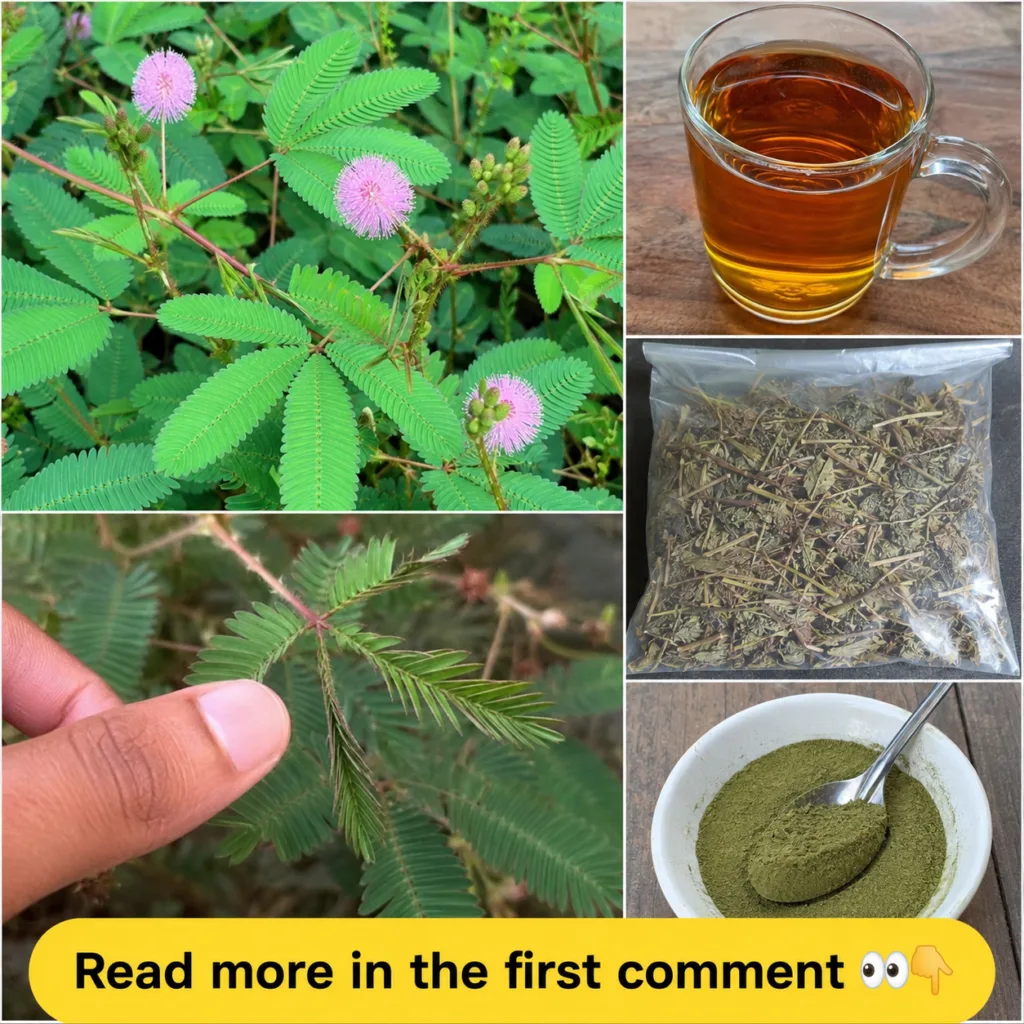
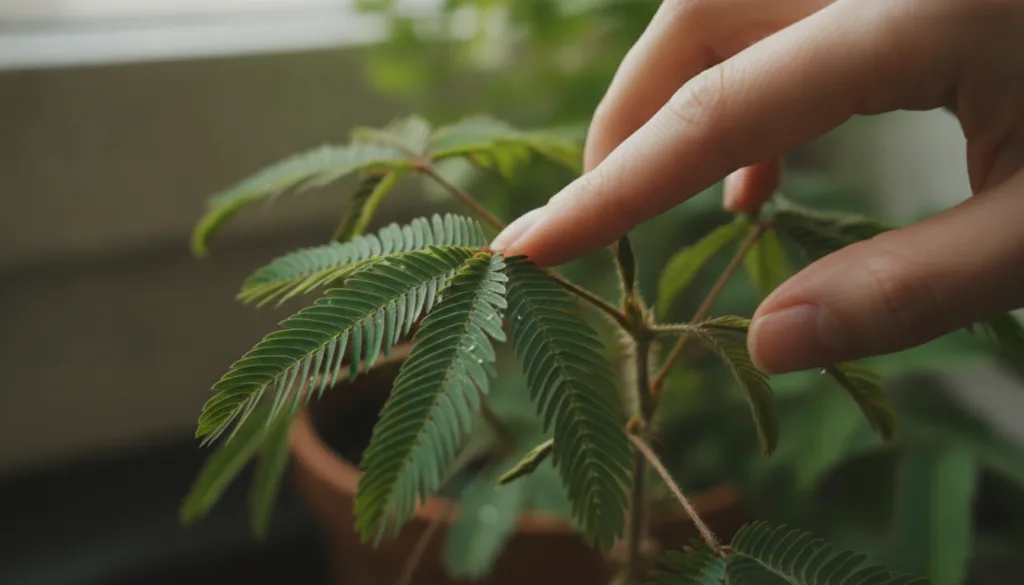
Mimosa Pudica, commonly known as the ‘sensitive plant’ or ‘touch-me-not,’ is a creeping herbaceous perennial of the pea family, native to South and Central America. Its most famous characteristic is its rapid leaf folding in response to touch, warmth, or shaking. However, beyond this captivating display, traditional herbalists have long valued various parts of the plant – particularly the leaves and stems – for their potential to support digestive health and overall well-being. While scientific research is ongoing, traditional uses often focus on its properties to support the body’s natural detoxification processes and gut health.
Ingredients
For a basic Mimosa Pudica infusion or tea, you will need:
- Dried Mimosa Pudica leaves and stems (whole or cut and sifted)
- Clean, filtered water
Approximate Measurements
- For Tea: 1 to 2 teaspoons (approx. 2-4 grams) of dried Mimosa Pudica leaves and stems per 8 ounces (240 ml) of water.
- Adjust quantity based on desired strength, but do not exceed recommended daily intake without consulting a healthcare professional.
Formula / Recipe: Mimosa Pudica Infusion
This simple infusion is the most common way to incorporate Mimosa Pudica into your routine.
Step-by-Step Method
- Measure the Herb: Place 1-2 teaspoons of dried Mimosa Pudica into a heat-resistant cup or mug.
- Heat the Water: Bring 8 ounces (240 ml) of filtered water to a boil.
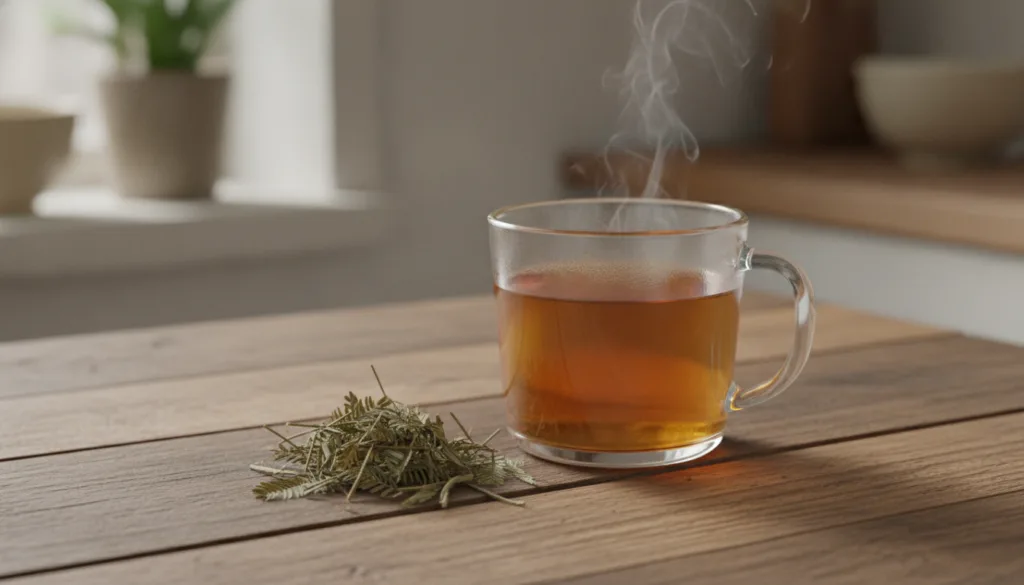
- Pour and Steep: Pour the hot water over the dried Mimosa Pudica.
- Cover and Infuse: Cover the cup with a lid or small saucer to prevent aromatic compounds from escaping. Let it steep for 10-15 minutes. Steeping for too short a time may not extract enough beneficial compounds, while steeping too long can make the tea overly bitter.
- Strain: Strain the liquid through a fine-mesh strainer or cheesecloth into another cup, discarding the spent plant material.
- Serve: Allow to cool slightly before drinking.
Quick Tip: Fresh vs. Dried
While fresh Mimosa Pudica is intriguing, it’s typically used in its dried or powdered form for internal remedies. Dried material concentrates the beneficial compounds and allows for easier storage and consistent dosing. Fresh leaves can be more challenging to prepare and may vary in potency.
How to Use
The Mimosa Pudica infusion is generally consumed orally. For best results, consider drinking it on an empty stomach in the morning, or between meals. This allows for better absorption and can help prepare your digestive system for the day.
How Often to Use
Start with one cup per day. Many people find benefits from consistent use over a period of 2-4 weeks. It’s often recommended to take a break after this period, for example, a week off, before resuming if desired. Listen to your body and adjust as needed, or consult with a qualified herbalist or healthcare provider.
How to Buy / How to Choose Ingredients
When sourcing Mimosa Pudica, prioritize quality and purity:
- Reputable Suppliers: Purchase from organic, ethical, and well-regarded herbal suppliers.
- Organic Certification: Opt for organically grown Mimosa Pudica to avoid pesticides and herbicides.
- Form: Dried cut-and-sifted leaves and stems are ideal for tea. Powdered forms are also available for capsules or mixing into drinks.
- Appearance: Dried material should have a natural green color, not brownish or faded, and a fresh, earthy aroma. Avoid anything that smells moldy or dusty.
Storage
Proper storage is crucial to maintain the potency and freshness of your dried Mimosa Pudica:
- Airtight Container: Store in a tightly sealed, opaque glass jar or a food-grade, airtight bag.
- Cool, Dark Place: Keep away from direct sunlight, heat, and humidity, such as in a pantry or cupboard.
- Shelf Life: Properly stored dried Mimosa Pudica can last for 1-2 years. Powdered forms may have a slightly shorter shelf life once opened.
Practical Tips
- Add Flavor: Mimosa Pudica tea can have an earthy, slightly bitter taste. You can enhance the flavor by adding a squeeze of lemon, a touch of raw honey, or a cinnamon stick during steeping.
- Combine with Other Herbs: For targeted benefits, Mimosa Pudica can sometimes be combined with complementary herbs like ginger for digestion or peppermint for soothing. Always research interactions or consult an expert before combining.
- Consistency is Key: Like many herbal remedies, consistent, regular use often yields the best results.
Common Mistakes
- Boiling Too Long: Over-boiling Mimosa Pudica can degrade delicate compounds and lead to a more bitter taste. Gentle steeping is preferred.
- Using Sprayed Plants: Harvesting from wild plants that may have been sprayed with chemicals can introduce toxins into your remedy. Always ensure your source is organic and clean.
- Incorrect Dosage: Using too much can sometimes lead to discomfort, while too little may not be effective. Stick to recommended measurements.
- Skipping Drying: Attempting to use fresh Mimosa Pudica for internal remedies without proper drying can lead to inconsistent potency and potential issues with mold or spoilage.
Cautions / Who Should Avoid It
While generally considered safe for most adults in moderate amounts, some individuals should exercise caution or avoid Mimosa Pudica:
- Pregnancy and Breastfeeding: There is insufficient research on its safety during pregnancy and lactation. It is best to avoid use.
- Children: Consult a pediatrician before giving Mimosa Pudica to children.
- Medication Interactions: Mimosa Pudica may have mild sedative properties or interact with certain medications, particularly sedatives, blood thinners, or diabetes medications. Consult your doctor if you are on any prescribed medication.
- Allergies: If you have allergies to plants in the pea family, you may be sensitive to Mimosa Pudica. Discontinue use if adverse reactions occur.
- Surgery: Due to potential blood-thinning effects, discontinue use at least two weeks before any scheduled surgery.
Did You Know?
Mimosa Pudica contains various bioactive compounds, including mimosine, flavonoids, and tannins. While specific scientific research on its exact mechanisms for gut health is ongoing, traditional wisdom attributes its beneficial effects to properties that support the body’s natural cleansing processes and help maintain a healthy microbial balance in the gut.
Quick Summary
Mimosa Pudica offers a natural approach to supporting digestive health. The best preparation is a simple infusion using 1-2 teaspoons of dried herb per cup of hot water, steeped for 10-15 minutes. It is best used once daily, preferably on an empty stomach. Store dried Mimosa Pudica in an airtight container in a cool, dark place. Avoid during pregnancy, breastfeeding, or if on certain medications. Always source high-quality, organic dried material.
FAQ
- Can I use fresh Mimosa Pudica instead of dried?
For internal remedies like tea, dried Mimosa Pudica is generally preferred for consistency in potency and ease of storage. Fresh plants require proper preparation and may vary greatly. - How long does Mimosa Pudica tea last once brewed?
It’s best to consume the tea immediately after brewing. If you must store it, refrigerate it in an airtight container for no more than 24 hours. - How often should I drink Mimosa Pudica tea?
One cup per day is a common starting point. Many users follow a cycle of 2-4 weeks on, followed by a week off. - Are there any known side effects?
Most people tolerate Mimosa Pudica well. Mild digestive upset can occur in some individuals, especially if starting with a high dose. Discontinue if you experience adverse reactions. - What part of the Mimosa Pudica plant is best for tea?
The leaves and stems are most commonly used for infusions. - Can I reuse the dried leaves for another brew?
It’s not recommended to reuse the leaves as most of the beneficial compounds will have been extracted in the first brew, resulting in a much weaker second infusion. - When should I avoid Mimosa Pudica?
Avoid if pregnant, breastfeeding, scheduled for surgery, or taking medications without consulting a doctor. Also avoid if you have allergies to plants in the pea family.
Short Conclusion
Mimosa Pudica, the ‘shy plant’ with the surprising secret, offers a simple yet profound way to support your body’s natural processes. By understanding its preparation and thoughtful use, you can integrate this humble herb into your wellness routine. As with any natural remedy, consistent, informed use is key, and listening to your body will always guide you to the best results.