Most people ignore this common garden plant, often pulling it out as a nuisance without a second thought. Yet, for centuries, traditional healers and herbalists have valued it for its powerful, natural properties. What if that pesky ‘weed’ in your backyard held a secret for soothing painful swelling and irritation? You might be surprised to learn that one of the most widespread plants on earth, Plantain (Plantago major or Plantago lanceolata), is a go-to natural remedy for various skin discomforts, including swelling, insect bites, and minor cuts. This guide will walk you through transforming this humble plant into an effective, easy-to-make poultice.
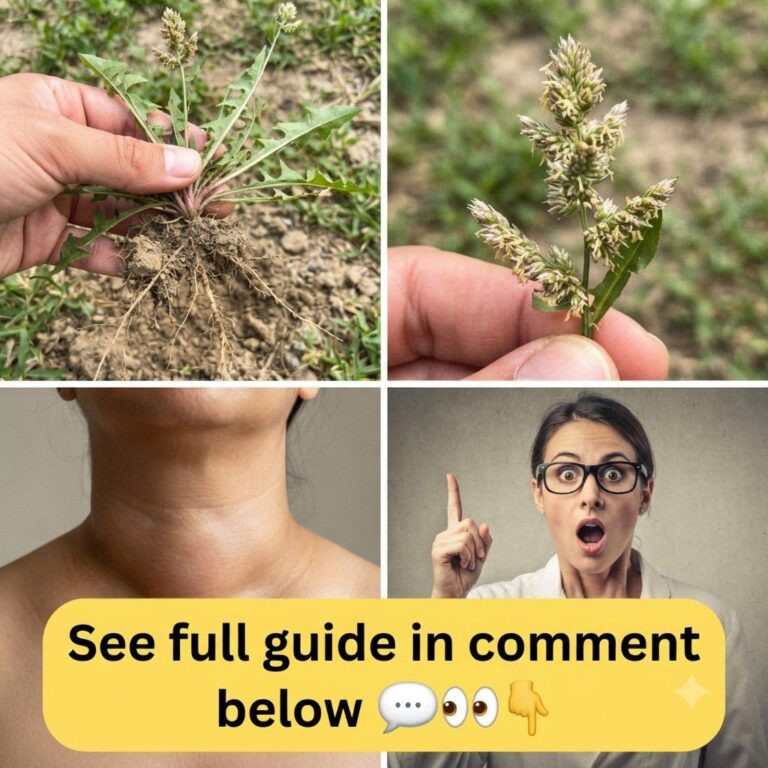
What is Plantain and Why is it Effective?
Plantain is not the banana-like fruit, but rather a low-growing herbaceous plant commonly found in lawns, gardens, and along roadsides. You likely walk past it every day. The two most common types are Broadleaf Plantain (Plantago major), with its wide, oval leaves, and Ribwort Plantain (Plantago lanceolata), which has narrower, lance-shaped leaves. Both varieties are potent and can be used interchangeably for this remedy.
Its effectiveness against swelling, itching, and minor pain comes from several compounds, including aucubin (an iridoid glycoside with anti-inflammatory properties), allantoin (which promotes cell growth and regeneration), and tannins (astringent compounds that can help reduce fluid retention and inflammation).
Ingredients for a Simple Plantain Poultice
- 5-10 large, fresh Plantain leaves (Plantago major or Plantago lanceolata)
- A few drops of clean water (optional, to aid mashing)
- A clean cloth or bandage
- Optional: Mortar and pestle, or a clean blunt object for mashing
Approximate Measurements
The exact quantity of leaves can vary based on the size of the area you wish to treat. For a localized area, like an insect bite or a small swollen spot, 5-10 large leaves are usually sufficient to create a thick, effective poultice. If targeting a larger area, you may need more.
Formula: The Fresh Plantain Poultice
The core of this remedy is a simple poultice – a soft, moist mass of plant material applied directly to the skin. The goal is to break down the plant cell walls to release its beneficial compounds.
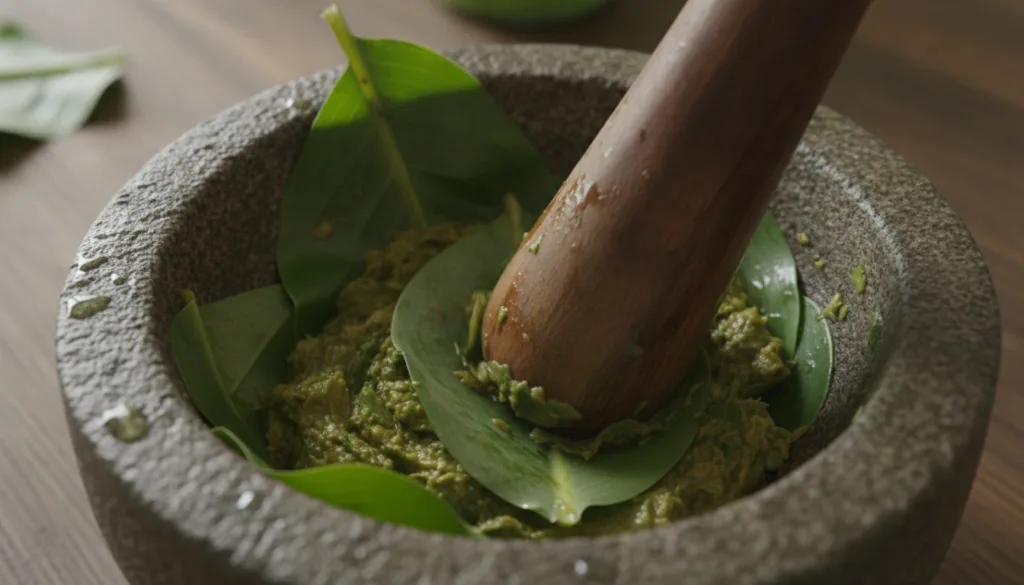
Step-by-Step Method
- Identify & Harvest: Locate healthy plantain plants. Ensure they are away from roadsides, industrial areas, or any place that might be treated with pesticides or herbicides. Choose vibrant, green leaves without signs of disease or damage.
- Wash Thoroughly: Rinse the harvested leaves under cool, running water to remove any dirt, insects, or debris. Pat them dry gently with a clean cloth.
- Prepare the Leaves: There are a few ways to prepare the leaves to release their sap:
- Chewing Method: This is the quickest and most traditional method for immediate relief. Chew a few clean leaves until they form a moist pulp.
- Mashing Method: Place the leaves in a clean mortar and pestle and mash them until they form a wet paste. If too dry, add a few drops of clean water.
- Rolling/Crushing Method: If you don’t have a mortar and pestle, you can finely chop the leaves and then crush them with the back of a spoon against a hard, clean surface.
- Apply the Poultice: Once you have a moist paste, apply it directly to the affected skin area (swelling, bite, minor cut). Ensure good coverage.
- Secure in Place: Cover the poultice with a clean bandage, gauze, or a piece of cloth to keep it from drying out and to hold it against the skin.
How to Use Your Plantain Poultice
This poultice is ideal for localized issues. Apply it to areas of minor swelling, such as from insect stings or mild blunt trauma. It can also be soothing for itchy rashes, minor burns, or small cuts. The anti-inflammatory properties of plantain work to reduce the puffiness and discomfort, while its astringent qualities help to tighten tissues and draw out impurities.
How Often to Use
For best results, reapply a fresh plantain poultice every 2-4 hours, or as needed, especially if the previous poultice dries out. The fresh plant material provides the most active compounds, so regular replacement is key for sustained relief. You can typically use it for a few days until symptoms subside.
Quick Tip: Best Time to Use It
The plantain poultice is most effective when applied as soon as possible after an insect bite or the onset of minor swelling. This allows the plant’s compounds to begin working before inflammation fully sets in.
How to Buy / How to Choose Ingredients
The beauty of the plantain remedy is its accessibility. You likely won’t need to