Your kidneys are remarkable organs, tirelessly working to filter waste, regulate blood pressure, and maintain electrolyte balance. Yet, their silent efforts often go unnoticed until problems arise. The choices we make daily, particularly regarding our diet, actively shape our kidney health, determining whether these vital organs thrive or struggle. Just as a diligent team works to maintain a healthy system, poor dietary habits can, over time, contribute to damage and decline.
This article explores how specific food choices can make a significant difference in the long-term well-being of your kidneys. We’ll delve into which foods to embrace for their protective benefits and which to limit or avoid to prevent potential strain and support optimal renal function.
Understanding Your Kidneys: The Silent Workers
Our kidneys, a pair of bean-shaped organs, play a crucial role in our overall health. They filter about half a cup of blood every minute, removing toxins, excess salts, and water, which are then expelled as urine. They also produce hormones that help control blood pressure, make red blood cells, and keep bones strong. When kidneys are healthy, they work efficiently, keeping our bodies clean and balanced. However, when they are stressed or damaged, their filtering capacity can diminish, leading to a buildup of waste products in the body and potentially severe health complications, including the need for dialysis.
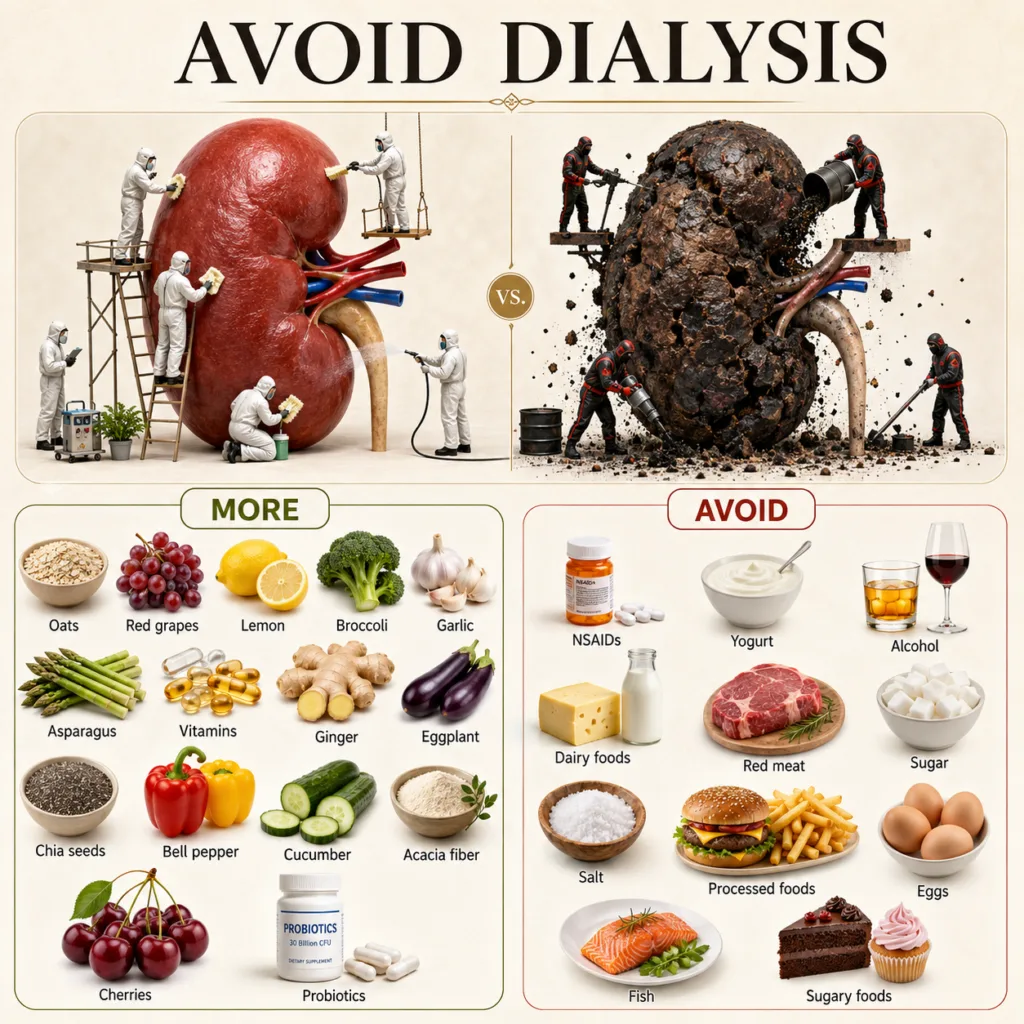 Your diet can either support or challenge your kidney health.
Nurturing Your Kidneys: Foods to Embrace
A kidney-friendly diet often emphasizes fresh, whole foods that are rich in antioxidants, fiber, and essential nutrients, while being mindful of elements that can put a strain on these vital organs. Incorporating these items can help promote long-term renal well-being.
Oats
Oats are a fantastic source of soluble fiber, which can help lower cholesterol and stabilize blood sugar levels. For kidney health, they offer a low-phosphorus, low-potassium, and low-sodium option for a healthy breakfast, making them an excellent choice for managing diet-related risk factors for kidney disease.
Red Grapes
Rich in flavonoids and resveratrol, red grapes are powerful antioxidants that can help protect cells from damage. They also contain compounds that may reduce inflammation and provide a natural diuretic effect, supporting kidney function.
Lemon
Lemon, especially its juice, is known for its citric acid content, which can help prevent the formation of kidney stones. Its alkalizing effect on the body also supports overall detoxification and cellular health, making it a simple yet effective addition to your daily routine.
Broccoli
This cruciferous powerhouse is packed with vitamins C and K, as well as fiber. Broccoli contains sulforaphane, a compound that may offer protective benefits against various diseases, including some kidney conditions, by reducing oxidative stress and inflammation.
Garlic
Garlic is not just a flavor enhancer; it’s a natural anti-inflammatory and antiseptic agent. Studies suggest that regular consumption of garlic may help lower blood pressure and cholesterol, both of which are important for maintaining healthy kidney function.
Asparagus
Asparagus is a natural diuretic, which means it can help flush excess fluid and waste from the body, supporting kidney cleansing. It’s also a good source of vitamins K, A, and C, and contains prebiotics that nourish gut health.
Ginger
Known for its anti-inflammatory and antioxidant properties, ginger can help improve blood circulation and protect against oxidative stress. It may also aid in digestion and reduce nausea, indirectly supporting overall health that benefits the kidneys.
Eggplant
Eggplant is a nutrient-dense vegetable, rich in fiber and antioxidants like nasunin, which protects brain cells from damage. It is also low in potassium and sodium, making it a suitable choice for a kidney-friendly diet.
Chia Seeds
These tiny seeds are nutritional powerhouses, providing omega-3 fatty acids, fiber, and protein. For kidney health, their fiber content supports digestive regularity and can help manage blood sugar, while their healthy fats contribute to cardiovascular well-being, both crucial for renal function.
Bell Pepper
Bell peppers, especially red ones, are excellent sources of vitamins C, A, and B6, and fiber. They are low in potassium, making them a safe and flavorful addition to the diet for those needing to monitor mineral intake for kidney health.
Cucumber
Composed mostly of water, cucumbers are incredibly hydrating and act as a natural diuretic. This helps the kidneys flush out toxins and maintain fluid balance, contributing to their efficient operation.
Cherries
Cherries are rich in antioxidants, particularly anthocyanins, which give them their vibrant red color. These compounds are known for their anti-inflammatory properties and may help protect against oxidative stress, supporting overall cellular health, including that of the kidneys.
Acacia Fiber & Probiotics
Acacia fiber is a soluble dietary fiber that acts as a prebiotic, feeding beneficial gut bacteria. A healthy gut microbiome is increasingly linked to kidney health. Probiotics, either from fermented foods or supplements, introduce beneficial bacteria, further supporting gut balance and potentially reducing the burden on kidneys by aiding in the removal of certain waste products.
Essential Vitamins
The infographic highlights ‘Vitamins’ generally, implying a need for a well-rounded intake of essential nutrients. While specific vitamins can be crucial, it’s important to get them from a balanced diet primarily. For kidney health, vitamins B, C, and D are often discussed, but always consult a healthcare professional regarding supplementation, especially if you have existing kidney conditions.
Protecting Your Kidneys: Foods and Habits to Limit
Just as some foods support kidney health, others can put a significant strain on these vital organs. Limiting or avoiding the following can play a crucial role in prevention and management.
NSAIDs (Non-Steroidal Anti-Inflammatory Drugs)
Over-the-counter pain relievers like ibuprofen and naproxen, when used excessively or for prolonged periods, can damage kidney tissue. These medications reduce blood flow to the kidneys, potentially leading to acute kidney injury, especially in individuals with pre-existing conditions.
Yogurt & Dairy Foods
While generally considered healthy, dairy products, including yogurt, can be high in phosphorus and potassium. For individuals with compromised kidney function, these minerals can accumulate in the blood, leading to complications. Therefore, careful moderation or specific low-phosphorus dairy alternatives may be recommended, particularly in later stages of kidney disease.
Alcohol
Excessive alcohol consumption places a significant burden on the kidneys, affecting their ability to filter blood and regulate fluids. It can also lead to high blood pressure, a major risk factor for kidney disease, and can damage the liver, which also plays a role in detoxification.
Red Meat
Red meat is high in protein and can also be a source of phosphorus. A diet very high in animal protein can increase the workload on the kidneys. While protein is essential, excessive intake, particularly from red meats, might be a concern for individuals at risk of or with existing kidney issues.
Sugar & Sugary Foods (Cake, Cupcakes)
High sugar intake contributes to obesity, diabetes, and high blood pressure, all leading causes of kidney disease. Sugary foods like cake and cupcakes offer little nutritional value and can promote inflammation and metabolic stress, indirectly harming kidney function.
Excessive Salt
A high-sodium diet forces the kidneys to work harder to excrete the excess salt, which can lead to high blood pressure. Over time, persistently high blood pressure can damage the delicate filtering units of the kidneys, impairing their function.
Processed Foods
Processed foods are typically laden with sodium, unhealthy fats, sugar, and artificial additives. Their high content of these detrimental ingredients makes them particularly challenging for the kidneys to process and excrete, contributing to systemic inflammation and increased risk of chronic diseases that impact renal health.
Eggs
Eggs are a good source of protein, but also contain phosphorus. While generally healthy, for individuals with advanced kidney disease, where protein and phosphorus intake needs to be carefully monitored, eggs might be advised in moderation or with specific dietary guidance from a professional.
Fish
While often praised for its omega-3 fatty acids, certain types of fish can be high in phosphorus. For those managing kidney disease, careful selection and portion control of fish may be necessary, especially for varieties known to be higher in phosphorus. It’s always best to consult with a dietitian familiar with kidney-specific dietary needs.
Beyond Diet: Holistic Kidney Care
While diet is paramount, other lifestyle factors also play a crucial role in maintaining kidney health. Staying well-hydrated, engaging in regular physical activity, managing stress, and avoiding smoking are all vital components of a comprehensive approach to supporting your kidneys.
Simple Steps for Kidney Health:
- Drink adequate water throughout the day.
- Control blood pressure and blood sugar levels.
- Maintain a healthy weight.
- Exercise regularly.
- Quit smoking.
- Limit alcohol intake.
- Avoid overuse of NSAIDs.