Dreaming of a lush green oasis right on your balcony? Balcony gardening offers a wonderful way to connect with nature, even if you live in a bustling city. From vibrant flowers to fresh herbs and vegetables, your small space can flourish. But the secret to a thriving balcony garden often lies beneath the surface: in the soil!
Many aspiring gardeners face the challenge of plants that just don’t seem to thrive, despite their best efforts. Often, the culprit is subpar potting mix. That’s why we’re diving into the art of creating your own simple, organic potting mix – a game-changer for happy, healthy balcony plants!
Why Organic Potting Mix is a Balcony Gardener’s Best Friend
While convenience might steer you towards off-the-shelf potting soils, crafting your own organic blend offers numerous benefits:
- Superior Nutrition: Organic mixes feed your plants naturally over time, promoting stronger root systems and vigorous growth without harsh chemicals.
- Improved Soil Structure: You control the balance of drainage, aeration, and water retention, tailoring it to your plants’ specific needs.
- Eco-Friendly: By using sustainable, natural ingredients, you reduce your environmental footprint.
- Pest and Disease Resistance: Healthy soil fosters healthy plants, which are naturally more resistant to common pests and diseases.
- Cost-Effective: Buying bulk ingredients and mixing them yourself can be more economical in the long run.

The Essential Ingredients for Your Simple Organic Potting Mix
Creating your own mix is easier than you think! Here are the core components you’ll need:
1. The Base: Coco Coir or Peat Moss (Sustainable Choice: Coco Coir)
- Coco Coir: Made from coconut husks, coco coir is an excellent sustainable alternative to peat moss. It’s fantastic for water retention, aeration, and is pH-neutral. It comes compressed, so you’ll need to rehydrate it.
- Peat Moss: While effective for water retention and acidity, peat moss is less sustainable due to its slow regeneration rate. If you use it, ensure it’s from a reputable, ethically sourced provider.
2. For Aeration and Drainage: Perlite or Vermiculite
- Perlite: These lightweight, white volcanic rocks create air pockets in the soil, preventing compaction and improving drainage. Ideal for plants that prefer well-drained conditions.
- Vermiculite: A mineral that expands when heated, vermiculite also improves aeration but, unlike perlite, retains moisture and nutrients. It’s great for plants that need consistent moisture.
3. The Nutrient Boost: High-Quality Compost or Worm Castings
- Compost: This is the powerhouse of organic gardening! Finished compost provides a slow-release supply of essential nutrients, beneficial microbes, and improves soil structure.
- Worm Castings: Often called ‘black gold,’ worm castings are incredibly rich in nutrients, microbes, and enzymes that boost plant growth and health.
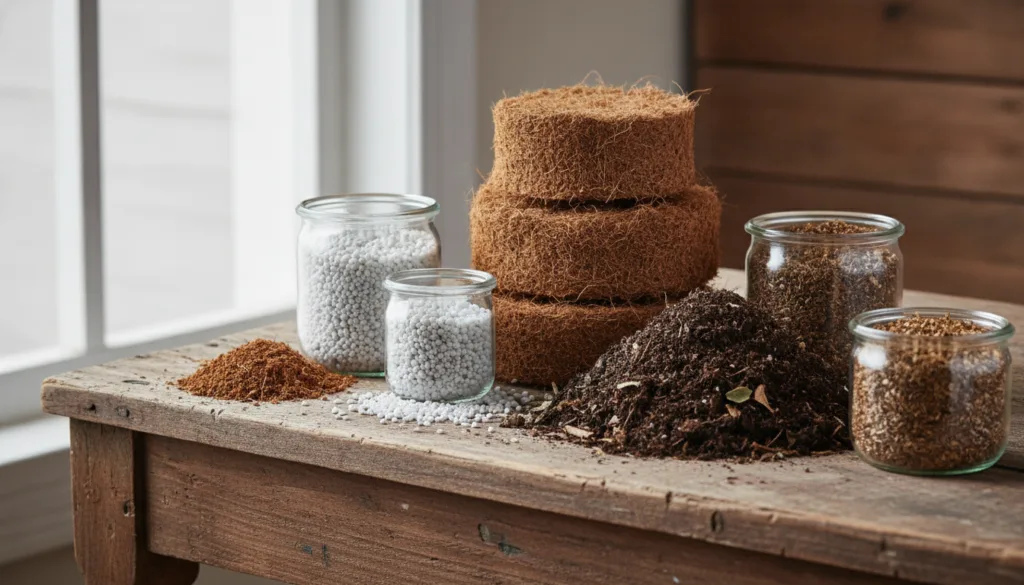
Simple Organic Potting Mix Recipe
Here’s a basic, highly effective recipe to get you started. Feel free to adjust ratios based on your specific plants (e.g., more drainage for succulents, more water retention for thirsty plants).
Ingredients:
- 2 parts rehydrated coco coir (or peat moss)
- 1 part compost (or worm castings)
- 1 part perlite (or vermiculite, or a mix of both)
Instructions:
- Prepare Your Space: Find a clean, spacious area, perhaps an old tarp or a large mixing tub.
- Rehydrate Coco Coir: If using coco coir, follow the package instructions to rehydrate it fully. It will expand significantly.
- Combine Base and Aeration: Add the rehydrated coco coir (or peat moss) and perlite/vermiculite to your mixing area.
- Add Nutrients: Incorporate the compost or worm castings.
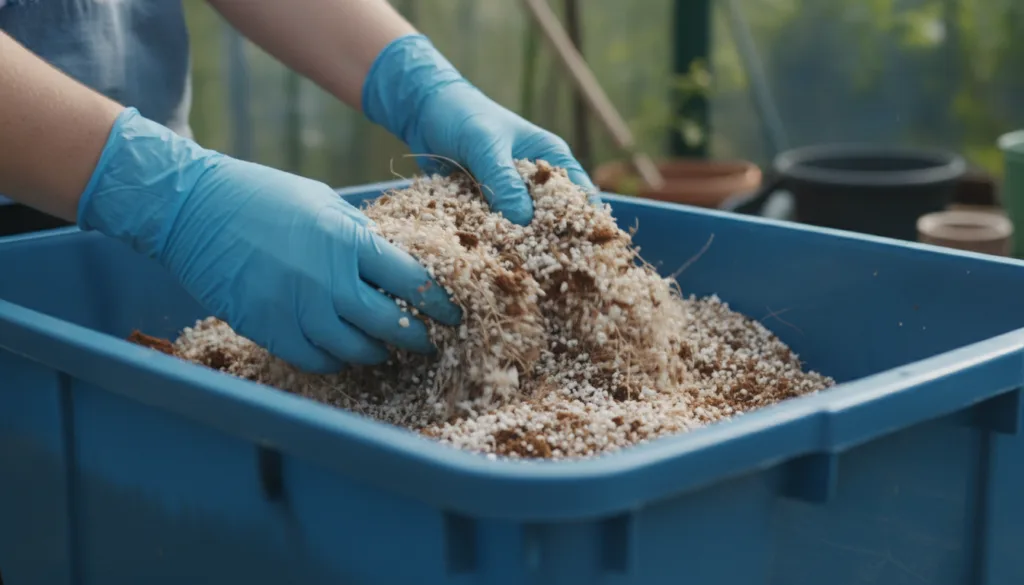
- Mix Thoroughly: Use your hands (wearing gloves!) or a small shovel to mix all the ingredients until they are uniformly combined. The mix should be light, fluffy, and slightly moist.
- Store or Use: Your organic potting mix is now ready! Store any excess in an airtight container in a cool, dry place.
Beyond the Soil: Essential Balcony Gardening Tips
Even with the best potting mix, other factors play a crucial role in balcony gardening success:
- Sunlight Assessment: Observe your balcony throughout the day. How many hours of direct sun does it get? This will dictate which plants will thrive (e.g., full sun plants like tomatoes, partial sun like lettuce, shade plants like ferns).
- Container Selection: Choose pots with good drainage holes to prevent waterlogging, which is a common plant killer. Terracotta pots allow for better airflow, while plastic retains more moisture.
- Watering Wisely: Balcony plants in containers tend to dry out faster than garden beds. Check soil moisture daily by sticking your finger about an inch deep. Water when the top inch feels dry.
- Fertilize Organically: Supplement your rich potting mix with organic liquid feeds or slow-release granular organic fertilizers during the growing season.
- Pest Patrol: Regularly inspect your plants for signs of pests. Early detection makes organic pest control much easier. Neem oil or insecticidal soap are good organic options.
- Wind Protection: Balconies can be windy. Consider windbreaks or choose sturdy plants that can withstand gusts.
- Plant Selection: Choose plants suitable for container life and your specific balcony conditions. Consider dwarf varieties of vegetables or compact flowering plants.
By investing a little time into preparing your own organic potting mix and following these balcony gardening tips, you’ll be well on your way to cultivating a vibrant, healthy, and productive garden space. Happy growing!