In the vast world of natural remedies and traditional wellness practices, castor oil has been quietly making a significant comeback, especially in conversations around self-care and holistic health. You might have seen it popping up in discussions about skin, hair, and even digestive support, but recently, a growing number of people are exploring its potential uses for eye wellness. This ancient remedy, derived from the seeds of the Ricinus communis plant, carries a rich history of use across various cultures for its purported soothing and nourishing properties.
A Glimpse into Castor Oil’s Ancient Roots
Castor oil’s journey through history is as fascinating as its diverse applications. Records indicate its use dating back thousands of years to ancient Egypt, where it was valued not just for medicinal purposes but also as lamp fuel and for skin care. In traditional Ayurvedic and Chinese medicine, it has been recognized for its anti-inflammatory and cleansing properties. Over centuries, various cultures have incorporated castor oil into their healing traditions, often as a topical application to support comfort and overall well-being.
Understanding Castor Oil: More Than Just an Oil
What makes castor oil so unique? Its primary component, ricinoleic acid, is a fatty acid that is believed to contribute to many of its therapeutic properties. This oil is known for its emollient nature, meaning it can help to moisturize and soothe the skin. When it comes to the delicate area around the eyes, its gentle, hydrating qualities are what primarily draw people to explore its potential.
Why the Growing Interest for Eye Wellness?
The curiosity surrounding castor oil for eye wellness stems from a few key reasons, often rooted in traditional applications and personal testimonials:
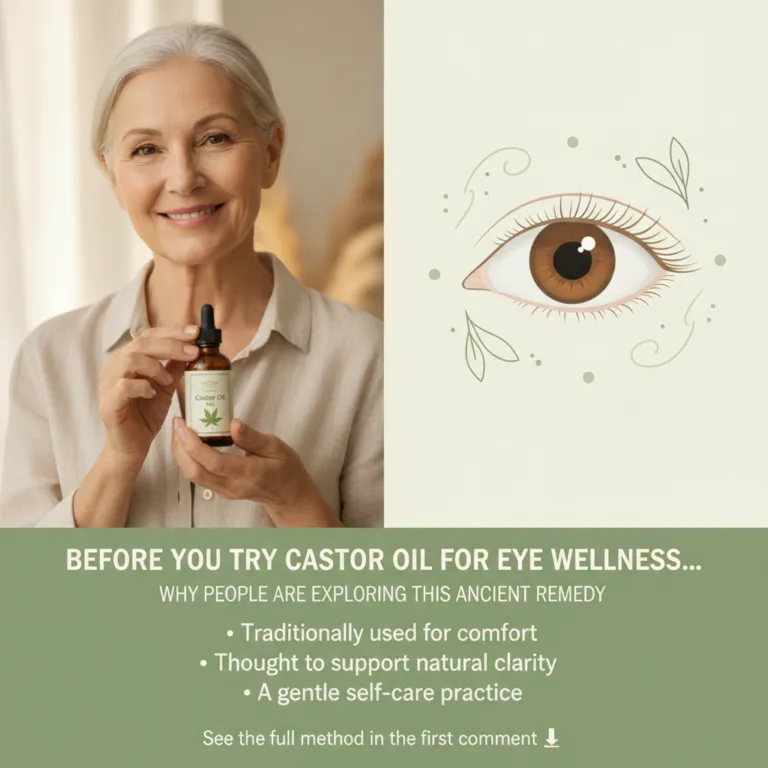
- Traditionally Used for Comfort: Many people have historically turned to castor oil to help soothe tired or irritated skin around the eyes, seeking a sense of calm and relief.
- Thought to Support Natural Clarity: While not a cure for vision issues, some users believe that regular, careful application to the skin around the eyes may contribute to a feeling of overall eye health and vitality, perhaps by maintaining skin hydration.
- A Gentle Self-Care Practice: For those who appreciate natural and holistic approaches, incorporating castor oil into an evening routine can feel like a nurturing ritual, promoting relaxation and mindful self-care.
Exploring Cautiously: How People May Incorporate Castor Oil
It’s important to emphasize that when considering any natural remedy, especially for sensitive areas like the eyes, caution and proper research are paramount. People exploring castor oil for eye wellness typically use it externally, applying a small amount to the skin around the eyes, particularly on the lash line or under-eye area, often before sleep.
- For Lash and Brow Nourishment: Due to its nourishing properties, some individuals use castor oil to moisturize eyelashes and eyebrows, believing it may support their natural growth and strength.
- To Soothe the Skin Around the Eyes: A tiny dab of pure castor oil can be massaged gently onto the skin surrounding the eye area to provide hydration and a soothing sensation.
It is crucial to use only pure, hexane-free, cold-pressed castor oil and to ensure it does not enter the eye itself.
Safety First: Important Considerations and Professional Guidance
While the exploration of natural remedies is a wonderful part of a holistic lifestyle, the health and safety of your eyes should always be your top priority. If you are considering using castor oil for eye wellness, please keep the following in mind:
- Consult a Healthcare Professional: Before introducing any new remedy, especially near your eyes, it is highly recommended to consult with an ophthalmologist or healthcare provider. They can offer personalized advice and ensure it’s appropriate for your individual health needs.
- Purity is Key: Always opt for high-quality, organic, cold-pressed, and hexane-free castor oil to minimize the risk of irritation from impurities.
- Patch Test: Perform a patch test on a small, inconspicuous area of your skin (like your inner arm) 24 hours before applying it near your eyes to check for any allergic reactions or sensitivities.
- Avoid Direct Contact with the Eye: Castor oil is thick and can cause temporary blurred vision or irritation if it gets directly into the eye. It is generally advised for external use on the skin surrounding the eyes, not as an eyewash or eye drop.
- Hygiene Matters: Always use clean hands and applicators to prevent introducing bacteria into the eye area.
Embracing a Holistic View of Eye Wellness
The rising interest in castor oil for eye wellness is a testament to our ongoing quest for natural, supportive health practices. As with any wellness journey, it’s about combining traditional wisdom with modern understanding and, most importantly, prioritizing safety and professional guidance. While castor oil may offer a natural way to support the comfort and appearance of the skin around your eyes, remember that true eye health is a complex matter best managed with the advice of qualified professionals.
Always listen to your body, do your research, and empower yourself with knowledge to make informed decisions for your unique wellness path!