When kidney discomfort strikes, the search for relief can feel endless. Many turn to conventional methods, overlooking a surprisingly effective natural ally: the ‘Stone Breaker’ plant, scientifically known as Phyllanthus niruri or Chanca Piedra. Most people never realize this humble plant offers a natural fix because its powerful properties have been utilized in traditional wellness practices for centuries, often staying out of mainstream knowledge.
This isn’t about vague promises or ancient folklore. This is about a practical, accessible plant remedy that has gained attention for its potential to support kidney health and ease the discomfort associated with kidney stones. Understanding how to correctly prepare and use this plant can be a game-changer for those seeking a gentle, natural approach to maintaining urinary tract wellness.
What It Is: The Stone Breaker Plant
The Stone Breaker plant, or Chanca Piedra, is a small, erect annual herb native to the Amazon rainforest, but also found in tropical and subtropical regions worldwide. Its name, ‘Chanca Piedra’, literally translates to ‘stone breaker’ in Spanish, a testament to its long-standing traditional use in supporting kidney and gallbladder health. This plant is rich in a variety of phytochemicals, including lignans, terpenes, flavonoids, and alkaloids, which are believed to contribute to its beneficial effects.

Ingredients for Stone Breaker Tea
Preparing a potent Stone Breaker tea is straightforward and requires minimal ingredients.
- Dried Stone Breaker Plant Material: You’ll need either dried leaves and stems, or a pre-packaged loose tea form.
- Water: Filtered water is always recommended for the best quality infusion.
The approximate measurements are crucial for an effective remedy without being overly strong.
Approximate Measurements
- Dried Stone Breaker Plant Material: 1-2 teaspoons per cup (8 ounces) of water.
- Water: 8 ounces (240 ml) per serving.
Formula / Recipe: Simple Stone Breaker Infusion
This recipe focuses on creating a beneficial infusion from the dried plant material. For best results, use a non-reactive pot, such as stainless steel or glass.
Step-by-Step Method
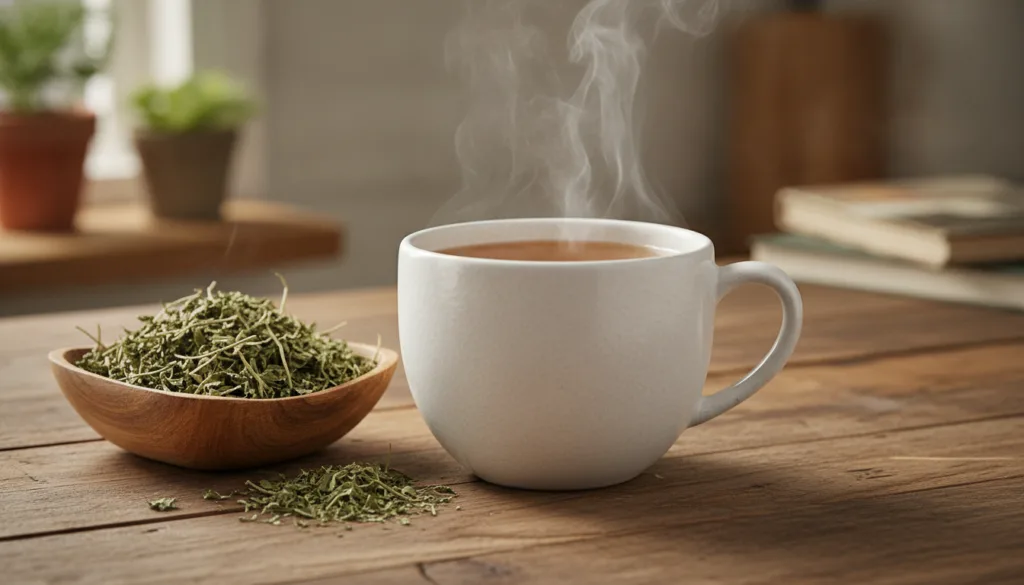
- Boil Water: Bring 8 ounces of filtered water to a rolling boil in a small pot.
- Add Plant Material: Remove the pot from the heat. Add 1-2 teaspoons of dried Stone Breaker plant material to the hot water.
- Steep: Cover the pot with a lid to prevent the escape of volatile compounds. Let it steep for 10-15 minutes. Steeping too long can make the tea excessively bitter.
- Strain: Using a fine-mesh strainer or cheesecloth, strain the tea into a mug, separating the liquid from the plant material.
- Cool Slightly: Allow the tea to cool to a comfortable drinking temperature before consuming.
How to Use and Best Time to Take
For kidney support, it’s generally recommended to consume Stone Breaker tea consistently. The best time to take it can depend on your daily routine and digestive sensitivity.
- Morning: Many prefer to drink it first thing in the morning on an empty stomach to maximize absorption and allow its diuretic properties to work throughout the day.
- After Meals: If you have a sensitive stomach, consuming it 30-60 minutes after a light meal can help prevent any potential discomfort.
- Throughout the Day: You can divide your daily intake into two or three smaller doses, spreading them out through the day. For example, one cup in the morning and one in the evening.
How Often to Use
Consistency is key for traditional herbal remedies. For general kidney support, many traditional practitioners suggest consuming 1-2 cups of Stone Breaker tea daily for a period of several weeks, typically 4-12 weeks, followed by a break. It’s crucial not to overuse it continuously for very long periods without guidance.
Quick Tip
Listen to your body. If you experience any discomfort, reduce the dosage or discontinue use and consult a healthcare professional, especially if you have underlying health conditions.
Why It Works: Science Insight
The effectiveness of the Stone Breaker plant is attributed to its complex array of bioactive compounds. Key components include:
- Lignans (e.g., Phyllanthin, Hypophyllanthin): These compounds are thought to relax the urinary tract, potentially aiding in the passage of kidney stones. They may also interfere with the aggregation of calcium oxalate crystals, a primary component of many kidney stones.
- Terpenes and Flavonoids: These contribute to the plant’s diuretic effects, helping to increase urine flow, which can flush out small particles and reduce the concentration of stone-forming minerals.
- Alkaloids: Some alkaloids may have antispasmodic properties, which could help relieve smooth muscle spasms in the urinary tract, reducing pain.
These compounds work synergistically to provide a multifaceted approach to kidney stone relief and prevention, acting as a diuretic, antispasmodic, and a potential inhibitor of crystal formation. Its benefits are connected to supporting a healthy urinary system, reducing inflammation, and maintaining proper fluid balance.
Who Benefits Most
This remedy is often sought by individuals:
- Experiencing discomfort associated with small kidney stones.
- Looking for a natural approach to support kidney and urinary tract health.
- Interested in preventive measures for recurrent kidney stone formation (after consultation with a healthcare provider).
- Seeking a diuretic to help reduce fluid retention.
It’s important to remember that this is a complementary approach and should not replace medical advice for severe conditions.
How to Buy / How to Choose Ingredients
When sourcing Stone Breaker plant material, quality is paramount.
- Reputable Suppliers: Purchase from trusted herbal suppliers or health food stores that specialize in organic and wild-crafted herbs.
- Organic & Wild-Crafted: Opt for organic or wild-crafted varieties to ensure it’s free from pesticides and chemical treatments.
- Form: It’s most commonly found as dried loose leaf, in tea bags, or as a powdered extract. For tea, dried loose leaf or tea bags are ideal.
- Appearance: The dried plant material should have a fresh, earthy aroma and retain some of its natural color, not appear dusty or faded.
Fresh vs. Dried Stone Breaker
| Feature | Fresh Stone Breaker | Dried Stone Breaker |
|---|---|---|
| Availability | Limited; grows in tropical regions | Widely available online and in herbal stores |
| Potency | Potentially higher, but harder to dose consistently | Consistent potency, easier to measure |
| Preparation | Can be juiced or made into fresh tea | Most commonly used for infusions/teas |
| Storage | Very short shelf life, needs immediate use | Longer shelf life (1-2 years) if stored properly |
| Cost | Can be expensive if imported | Generally more affordable and accessible |
Storage
Proper storage is essential to maintain the potency and freshness of your Stone Breaker plant material and prepared tea.
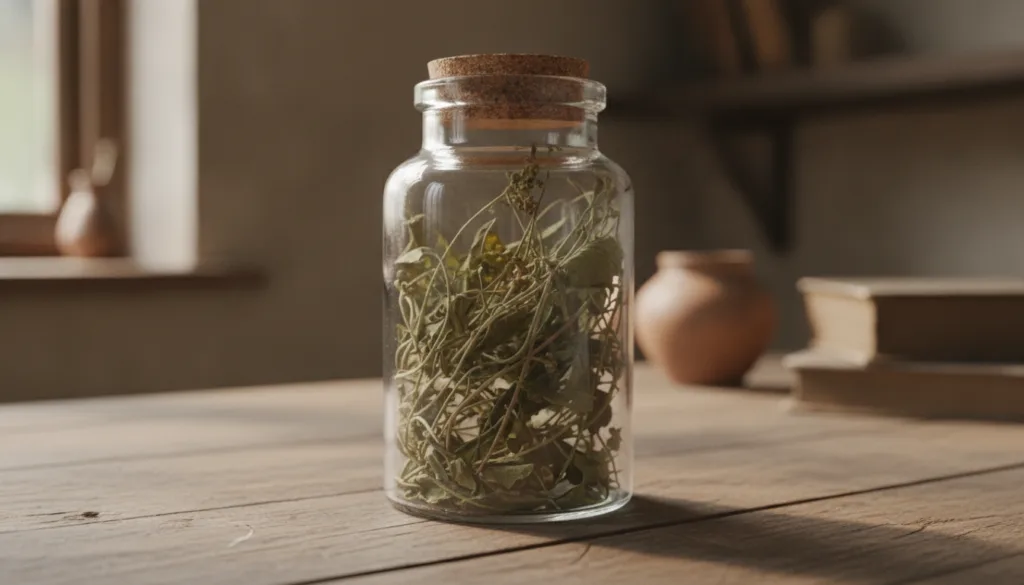
- Dried Plant Material: Store in an airtight container, away from direct sunlight, heat, and moisture. A cool, dark pantry is ideal. It can typically last for 1-2 years.
- Prepared Tea: Brewed tea should be consumed within 24 hours. If you make a larger batch, store it in a sealed glass jar in the refrigerator. Do not keep it for more than 24-48 hours, as its potency diminishes, and it can spoil.
Practical Tips
- Stay Hydrated: Always drink plenty of plain water throughout the day, especially when using diuretic herbs like Stone Breaker, to help flush your system.
- Avoid Sugar: Refrain from adding sugar or artificial sweeteners to your tea, as they can counteract some of the health benefits. A little honey or stevia can be used if needed.
- Combine with Lemon: Some people find adding a squeeze of fresh lemon juice enhances the taste and provides additional kidney support due to citrate content.
Common Mistakes
- Using Sprayed Plants: Always ensure your Stone Breaker material is organic or wild-crafted to avoid pesticide contamination.
- Boiling Too Long: Over-boiling or simmering the herb for extended periods can destroy sensitive compounds and make the tea excessively bitter. Infusion (steeping after removing from heat) is preferred.
- Skipping Drying (for fresh): If using fresh plants, improper drying can lead to mold and loss of potency. For most, dried commercially prepared options are safer.
- Ignoring Cautions: Failing to heed warnings about who should avoid the herb can lead to adverse effects.
- Overuse: Continuous, long-term use without breaks is not recommended and could lead to electrolyte imbalances.
Cautions / Who Should Avoid It
While generally considered safe for many, certain individuals should exercise caution or avoid Stone Breaker plant:
- Pregnant or Breastfeeding Women: Due to lack of sufficient research on safety.
- Diabetics: It may lower blood sugar levels, so monitor closely if you are on diabetic medication.
- Individuals on Blood Pressure Medication: It can have a diuretic effect, potentially lowering blood pressure further.
- Individuals on Blood Thinners: Some sources suggest it might have anticoagulant properties, though more research is needed.
- People with Bleeding Disorders: Avoid use due to potential anticoagulant effects.
- Before Surgery: Discontinue use at least two weeks before any scheduled surgery.
- Children: Not recommended for children due to insufficient safety data.
Always consult your doctor or a qualified healthcare professional before starting any new herbal remedy, especially if you have existing health conditions or are taking medications.
Quick Summary
The Stone Breaker plant (Chanca Piedra) offers a natural approach to kidney and urinary tract support. Its best preparation is a simple tea infusion, typically consumed 1-2 times daily for several weeks, followed by a break. It’s best used for supporting the passage of small kidney stones and promoting urinary health. Always source organic, dried material from reputable suppliers. Avoid if pregnant, breastfeeding, diabetic, or on blood thinners/blood pressure medication without medical advice. Store dried herbs in an airtight container away from light, and consume prepared tea within 24-48 hours.
FAQ
Q: Can I use fresh or dried Stone Breaker?
A: Dried Stone Breaker is more readily available and easier to dose consistently. If you have access to fresh, ensure it’s properly prepared.
Q: How long does Stone Breaker tea last after brewing?
A: It’s best to consume the tea within 24 hours. You can refrigerate it in a sealed container for up to 48 hours, but its potency may diminish.
Q: How often should I drink Stone Breaker tea?
A: Typically 1-2 cups per day for a few weeks, followed by a break, but always listen to your body and consult a professional for personalized advice.
Q: What part of the Stone Breaker plant is best for tea?
A: The leaves, stems, and flowers are generally used for making tea, often as a whole dried herb.
Q: Can I reuse the dried leaves for another brew?
A: It’s not recommended. Most of the active compounds are extracted during the first infusion, so subsequent brews will be significantly weaker.
Q: Are there any side effects?
A: Some individuals may experience mild stomach upset or diarrhea. It can also have a diuretic effect, so ensure adequate hydration. Consult a doctor if you experience severe symptoms.
Q: Can I mix Stone Breaker with other herbs?
A: While possible, it’s generally best to start with Stone Breaker on its own to assess your body’s reaction. Consult an herbalist before combining with other potent herbs.
Conclusion
The Stone Breaker plant stands as a testament to nature’s capacity to offer profound support for our well-being. By understanding its preparation, usage, and necessary precautions, you can thoughtfully integrate this remarkable herb into your wellness routine. Remember, a grounded, practical approach to natural remedies, combined with professional advice, is key to achieving lasting comfort and health for your kidneys.