When it comes to supporting heart health, most people instinctively think of exotic superfoods or pharmaceutical solutions. Yet, one humble plant part often goes unnoticed, holding a gentle secret for vital arterial well-being: the guava leaf. Many struggle with maintaining healthy blood pressure, cholesterol levels, and overall circulatory health, often feeling overwhelmed by complex diets or expensive supplements. What if a simple, natural fix has been right under our noses the whole time?
Most people never realize this works because they focus solely on the guava fruit, overlooking the powerful compounds concentrated in its leaves. This overlooked botanical offers a practical, accessible way to support your cardiovascular system, particularly your arteries, without needing a pharmacy trip.
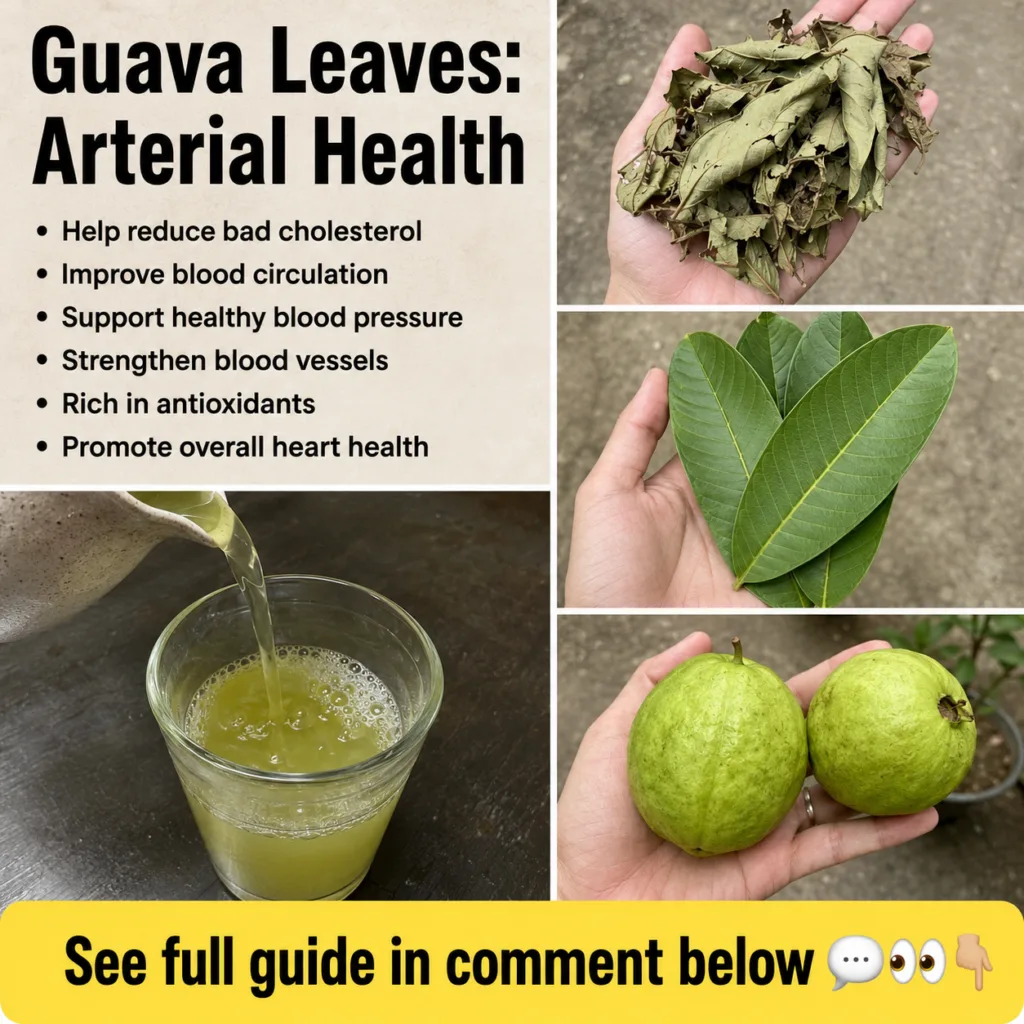
What It Is: The Power in Guava Leaves
Guava leaves come from the Psidium guajava tree, a common tropical plant. While the fruit is beloved for its sweet and tangy flavor, herbalists have long valued the leaves for their diverse medicinal properties. For arterial health, these leaves are particularly noteworthy due to their rich composition of antioxidants, flavonoids, and other beneficial compounds. They offer a gentle, natural approach to supporting the integrity and function of your blood vessels.
Ingredients for Guava Leaf Tea
Preparing a simple guava leaf tea is the most common and effective way to harness its arterial health benefits.
- Guava Leaves:
- Approximately 7-10 fresh, medium-sized leaves, or
- 1-2 tablespoons of dried, crushed guava leaves.
- Water: 2 cups (approximately 500 ml) of clean, filtered water.
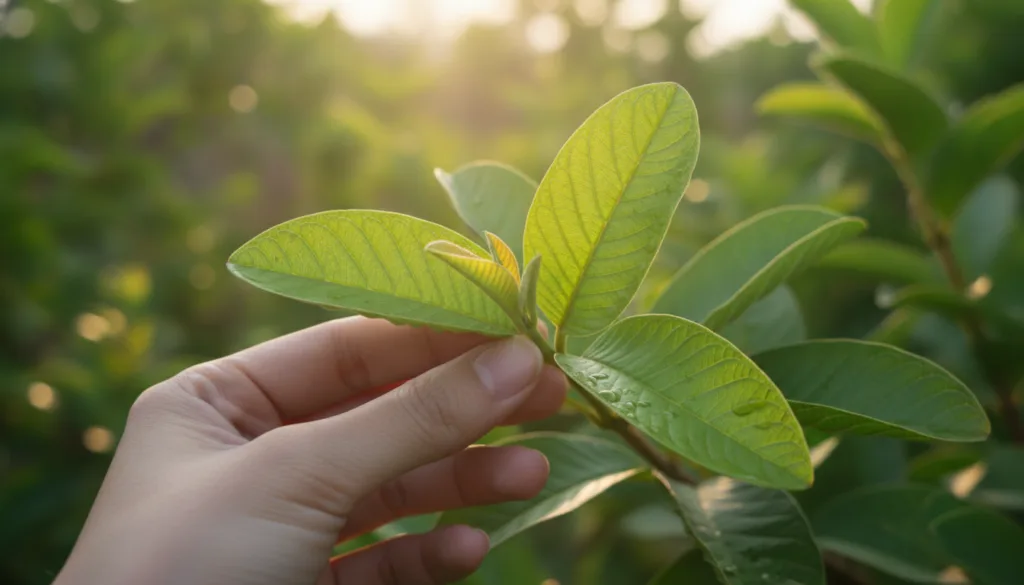
Formula / Recipe: Guava Leaf Infusion
The goal is to extract the beneficial compounds without over-boiling, which can diminish their potency. An infusion or gentle decoction is ideal.
Step-by-Step Method
- Preparation: If using fresh leaves, thoroughly wash them under cool running water to remove any dirt or residues. If using dried leaves, ensure they are clean and free from debris.
- Boil Water: Pour 2 cups of water into a small saucepan and bring it to a rolling boil over medium-high heat.
- Add Leaves: Once the water is boiling, add the fresh or dried guava leaves to the pot.
- Simmer: Reduce the heat to low, cover the saucepan, and let the leaves simmer gently for about 10-15 minutes. This allows the beneficial compounds to infuse into the water without excessive evaporation or degradation.
- Steep: Turn off the heat and let the mixture steep for another 5-10 minutes. This extra steeping time helps in further extraction as the water cools slightly.
- Strain: Carefully strain the liquid into a cup, discarding the spent leaves.
- Serve: Your guava leaf tea is ready to drink.
Quick Tip: Enhance the Flavor
For a slightly more palatable tea, you can add a slice of lemon, a small amount of honey, or a pinch of ginger after straining. Avoid adding sugar, which can counteract some of the health benefits.
How to Use and How Often to Use
The guava leaf tea is best consumed warm. For optimal absorption and to support arterial health, integrate it consistently into your daily routine.
- Dosage: Drink one cup of guava leaf tea, once or twice daily.
- Best Time to Take:
- Morning: On an empty stomach, about 30 minutes before breakfast, to maximize absorption of beneficial compounds.
- Evening: About an hour before bedtime, as it can also have a calming effect for some individuals, though its primary action here is arterial support.
Consistency is key. Regular intake over several weeks or months is typically needed to observe potential benefits. Listen to your body and adjust as needed.
Why It Works: The Science Insight
The effectiveness of guava leaves for arterial health stems from their rich phytochemical profile, particularly their high concentration of antioxidants and anti-inflammatory compounds. Key players include:
- Quercetin: A potent flavonoid that helps reduce oxidative stress, a major contributor to arterial damage and hardening. It supports the relaxation of blood vessels, which can contribute to healthy blood pressure.
- Flavonoids and Polyphenols: These act as powerful antioxidants, protecting cells from free radical damage and reducing inflammation within the arteries. This protective action is crucial for maintaining the elasticity and integrity of blood vessel walls.
- Tannins: Contribute to the astringent properties and may play a role in modulating lipid metabolism, indirectly supporting arterial health by influencing cholesterol levels.
By combating oxidative stress and inflammation, guava leaves help to maintain the flexibility of arteries, support healthy blood flow, and potentially assist in managing factors like ‘bad’ (LDL) cholesterol, which can contribute to plaque buildup. This comprehensive action makes them a valuable natural support for your cardiovascular system.
Did You Know?
Studies suggest that guava leaf extract may inhibit enzymes involved in cholesterol synthesis, offering a natural way to support healthy lipid profiles.
Who Benefits Most
Guava leaf tea can be particularly beneficial for individuals looking for natural support in:
- Maintaining healthy blood pressure: Those with mild fluctuations or looking for preventive measures.
- Supporting healthy cholesterol levels: Especially those aiming to manage LDL cholesterol naturally.
- Enhancing overall cardiovascular well-being: Anyone interested in proactive heart health through antioxidant intake.
- Individuals seeking natural anti-inflammatory support: As inflammation is a key factor in arterial damage.
It is important to note that guava leaf tea should complement, not replace, conventional medical treatments for serious conditions.
How to Buy / How to Choose Ingredients
The quality of your guava leaves significantly impacts the efficacy of your remedy.
- Fresh Leaves:
- Look for vibrant green leaves, free from brown spots, insect damage, or wilting.
- Source from organic gardens if possible, to avoid pesticide residues.
- They should have a slightly firm texture.
- Dried Leaves:
- Purchase from reputable herbal suppliers or health food stores.
- Ensure they are organically sourced and free from additives or artificial colors.
- Check the packaging for an expiration date and proper sealing to ensure freshness.
- They should have a natural, earthy aroma.
Fresh vs. Dried Guava Leaves
| Feature | Fresh Guava Leaves | Dried Guava Leaves |
|---|---|---|
| Availability | Seasonal, requires access to a tree | Available year-round, online or in stores |
| Potency | Generally higher concentration of volatile compounds, but less shelf-stable | Potency can vary; more concentrated if properly dried, longer shelf life |
| Preparation | Wash thoroughly, can be used whole or torn | Can be crushed or used whole, no washing needed (if clean) |
| Storage | Refrigerate for a few days in a damp paper towel | Store in airtight container in a cool, dark place for up to a year |
Storage
Proper storage ensures the longevity and potency of your guava leaves and prepared tea.
- Fresh Guava Leaves: Store unwashed leaves in a plastic bag in the refrigerator’s crisper drawer for up to 3-5 days. For longer storage, you can gently pat them dry and freeze them, though this may alter texture.
- Dried Guava Leaves: Keep in an airtight container away from direct sunlight, heat, and moisture. A cool, dark pantry is ideal. They can last up to one year.
- Prepared Tea: Store any leftover tea in a sealed glass container in the refrigerator for up to 24-48 hours. Reheat gently or consume cold.
Practical Tips
- Consistency: Incorporate the tea into a daily routine for best results.
- Hydration: Drink plenty of plain water throughout the day in addition to the tea.
- Balanced Diet: Combine guava leaf tea with a heart-healthy diet rich in fruits, vegetables, and whole grains.
- Avoid Over-Boiling: Boiling for too long can degrade some delicate compounds. A gentle simmer is best.
Common Mistakes
- Using Sprayed Leaves: Never use leaves that have been treated with pesticides or herbicides. Always opt for organic or wild-harvested.
- Boiling Too Vigorously: High heat for extended periods can destroy sensitive antioxidants. Stick to a gentle simmer.
- Expecting Instant Results: Natural remedies work gradually. Give it time and maintain consistency.
- Ignoring Other Healthy Habits: Guava leaf tea is a supportive measure, not a magic bullet. It works best alongside a healthy lifestyle.
- Improper Storage: Storing leaves incorrectly can lead to mold or loss of potency.
Cautions / Who Should Avoid It
While generally safe for most, some considerations apply:
- Pregnancy and Breastfeeding: Limited research exists. It’s best to consult a healthcare provider before use.
- Diabetes: Guava leaves may lower blood sugar. If you are diabetic and on medication, monitor your blood sugar closely and consult your doctor to avoid hypoglycemia.
- Surgery: Due to potential effects on blood sugar, discontinue use at least two weeks before any scheduled surgery.
- Allergies: If you have allergies to guava fruit or other related plants, exercise caution.
- Medication Interactions: If you are on medication for blood pressure, cholesterol, or diabetes, consult your doctor before incorporating guava leaf tea into your routine, as it may interact with your medications.
Quick Summary
- Best Preparation: Gentle tea infusion or decoction.
- Best Use-Case: Daily support for arterial health, blood pressure, and cholesterol management.
- Storage: Fresh leaves refrigerated for a few days; dried leaves in airtight containers for up to a year. Prepared tea refrigerated for 24-48 hours.
- When to Use: One to two cups daily, ideally on an empty stomach in the morning.
- What to Avoid: Sprayed leaves, over-boiling, expecting immediate results without lifestyle changes.
FAQ
- Can I use fresh or dried guava leaves?
Yes, both fresh and properly dried guava leaves can be used. Adjust quantities as fresh leaves are bulkier. - How long does guava leaf tea last?
Prepared tea can be stored in the refrigerator for up to 24-48 hours. - Can I refrigerate fresh guava leaves?
Yes, store unwashed fresh leaves in a plastic bag in the crisper drawer for 3-5 days. - How often should I drink the tea?
One to two cups daily is generally recommended for consistent support. - What part of the guava plant is best for arterial health?
The leaves are particularly rich in the compounds beneficial for arterial health. - Can I reuse the leaves for another brew?
While some compounds may remain, the potency will be significantly reduced. It’s best to use fresh leaves for each brew. - When should I avoid guava leaf tea?
Avoid during pregnancy or breastfeeding, and consult a doctor if you have diabetes, are on blood pressure/cholesterol medication, or scheduled for surgery. - Does it taste like guava fruit?
No, the tea has an earthy, slightly bitter, and herbaceous flavor, quite different from the sweet fruit.
Conclusion
The journey to supporting arterial health doesn’t always require complex solutions. Sometimes, the most potent remedies are found in nature’s simplest offerings. Guava leaves, with their rich array of antioxidants and anti-inflammatory compounds, provide an accessible and natural way to help maintain the health and integrity of your arteries. By incorporating this simple tea into your daily routine and coupling it with a healthy lifestyle, you can harness the unexpected power of a plant often overlooked. Take a step towards holistic well-being and let the humble guava leaf be a part of your daily remedy for a healthier heart.