Transform Your Fence: Create a Thriving Vertical Garden and Bird Sanctuary
Is that plain privacy fence in your yard just… there? Many gardeners see a fence as merely a boundary, but with a little vision, it can become a vibrant focal point, a productive vertical garden, and a welcoming haven for local birds and beneficial pollinators. Imagine turning a forgotten backdrop into a living tapestry of greenery and blooms, buzzing with life and adding serene beauty to your outdoor space. It’s a truly rewarding project that enhances both aesthetics and ecology.
This guide will walk you through transforming your fence into a dynamic vertical garden combined with a cozy bird sanctuary. We’ll explore smart plant choices, practical setup methods, and essential care tips to help you cultivate a thriving, beautiful, and wildlife-friendly environment right in your backyard. Get ready to unlock the full potential of your fence!
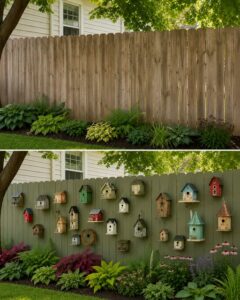
The Magic of Vertical Gardening and Wildlife Havens
Vertical gardening is an ingenious way to maximize growing space, especially in smaller yards. By utilizing vertical surfaces like fences, you can grow a surprising amount of plants, from edibles to ornamentals, without sacrificing ground space. When combined with elements that attract wildlife, this approach creates a mini-ecosystem. Birds, in particular, are drawn to sources of food, water, and shelter. By strategically choosing plants that offer seeds, berries, or nectar, and providing safe nesting spots, you invite a symphony of nature to your garden.
Planning Your Fence Transformation
Before you begin, assess your fence. Its material, condition, and the amount of sunlight it receives are crucial factors. A sturdy wooden fence is ideal, but vinyl or metal fences can also work with the right mounting solutions.
- Sunlight Assessment: Observe your fence throughout the day. Does it get full sun (6+ hours), partial sun (3-6 hours), or mostly shade? This will dictate your plant choices.
- Fence Integrity: Ensure your fence is structurally sound enough to bear the weight of planters, soil, and plants, especially after watering. Reinforce weak spots if necessary.
- Drainage: Consider where water will drain from your vertical garden. Ensure it won’t pool at the fence base or affect neighboring properties.
Choosing Your Vertical Garden System
Several systems are suitable for fence-mounted vertical gardens:
- Wall-Mounted Planters: Individual pots or rows of planters attached directly to the fence. Ensure they have drainage holes.
- Pocket Planters: Fabric or plastic felt pockets, often in sheets, perfect for herbs, strawberries, or succulents.
- Shelving Units: Attach narrow shelves to the fence to hold potted plants. This offers flexibility for changing arrangements.
- Trellises and Grids: Excellent for climbing plants like vines or vining edibles. You can then place birdhouses among the foliage.
- Repurposed Materials: Pallets, old rain gutters, or plastic bottles can be cleverly transformed into budget-friendly planters.
Selecting Plants for Your Vertical Oasis and Wildlife
Choosing the right plants is key to a thriving vertical garden and an attractive bird habitat. Opt for species that are suitable for container growing and beneficial to birds and pollinators. Here are some excellent choices:
For Pollinators & Birds (Nectar, Seeds, Berries)
These plants provide essential food sources, drawing in hummingbirds, finches, butterflies, and bees.
- Coneflower (Echinacea purpurea)
- Hardiness: USDA Zones 3-9
- Plant type: Perennial
- Exposure: Full sun (6+ hours)
- Height: 2-4 feet
- Spread: 1-2 feet
- Practical Tip: Allow spent flower heads to remain on the plant in fall; the seeds are a favorite food for finches.
- Black-Eyed Susan (Rudbeckia hirta)
- Hardiness: USDA Zones 3-9
- Plant type: Short-lived perennial, often grown as an annual
- Exposure: Full sun
- Height: 1-3 feet
- Spread: 1-2 feet
- Practical Tip: Deadhead spent blooms to encourage more flowering, but leave some for seeds in late season.
- Salvia (various species like ‘May Night’, ‘Autumn Sage’)
- Hardiness: Varies by species, often Zones 4-9 (perennial types)
- Plant type: Annual or perennial
- Exposure: Full sun to partial sun
- Height: 1-3 feet
- Spread: 1-3 feet
- Practical Tip: Salvias are hummingbird magnets. Plant several for a continuous show of color and nectar.
- Nasturtium (Tropaeolum majus)
- Hardiness: Annual
- Plant type: Annual, vining or bushy
- Exposure: Full sun to partial shade
- Height: 1-10 feet (vining types)
- Spread: 1-3 feet
- Practical Tip: Edible flowers and leaves add a peppery kick to salads. Their vibrant colors attract hummingbirds.
- Strawberries (Fragaria x ananassa)
- Hardiness: USDA Zones 3-9
- Plant type: Perennial fruit
- Exposure: Full sun
- Height: 6-12 inches
- Spread: 1-2 feet (spreading via runners)
- Practical Tip: Ideal for pocket planters. Birds love ripe strawberries, so consider netting or sharing your bounty!
For Foliage & Coverage
These plants add lushness, cover, and can provide some shelter for birds.
- Coral Bells (Heuchera spp.)
- Hardiness: USDA Zones 4-9
- Plant type: Perennial
- Exposure: Partial shade to full shade (depending on cultivar)
- Height: 1-2 feet (foliage), 2-3 feet (flower stalks)
- Spread: 1-2 feet
- Practical Tip: Choose varieties with colorful foliage for year-round interest. Their small flowers attract hummingbirds.
- Ferns (various species suitable for containers)
- Hardiness: Varies greatly by species (e.g., Boston Fern is tropical, some hardy to Zone 2)
- Plant type: Perennial or annual
- Exposure: Partial to full shade
- Height: 6 inches – 3 feet
- Spread: 1-3 feet
- Practical Tip: Provide consistent moisture and high humidity for lush growth in shadier vertical garden spots.
Welcoming Feathered Friends: Birdhouses and Beyond
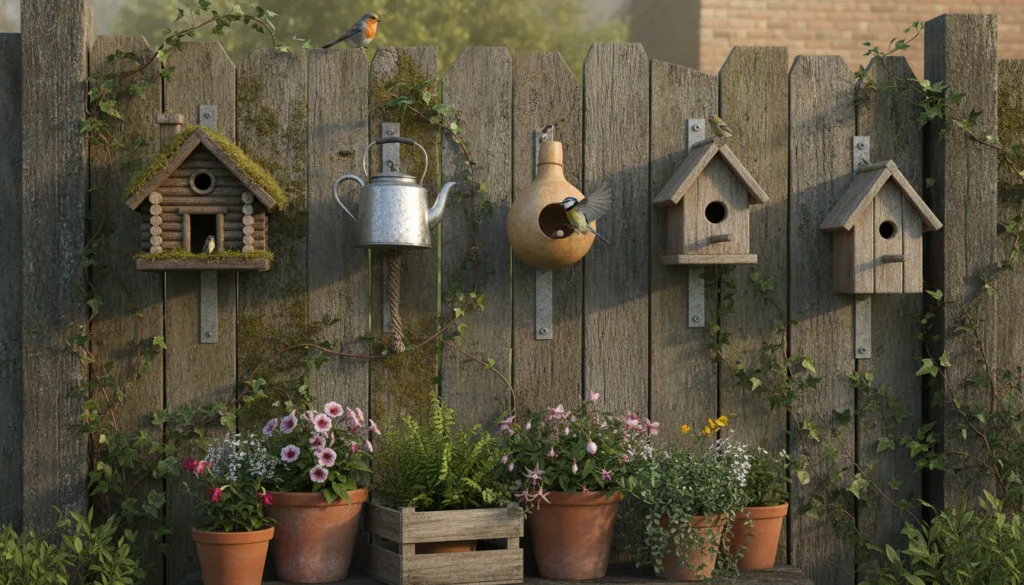
Birdhouses provide nesting sites and shelter. Select models appropriate for common backyard birds in your area, like wrens, chickadees, or bluebirds.
- Birdhouse Selection: Choose houses with proper ventilation and drainage. The size of the entrance hole matters – a smaller hole deters larger, more aggressive birds.
- Placement: Mount birdhouses firmly to the fence or on a separate pole, away from potential predator access (cats, squirrels). Face the entrance hole away from prevailing winds.
- Water Source: A small bird bath or a shallow dish of water nearby is a huge draw for birds, especially in dry weather.
- Supplemental Food: Consider a small feeder with seeds or suet, placed a safe distance from birdhouses to prevent disturbance.
Installation Steps and Ongoing Care
Installation
- Prepare the Fence: Clean the fence surface. If needed, apply a protective stain or paint safe for plants and wildlife.
- Mount the System: Securely attach your chosen vertical gardening system (planters, shelves, pockets) using galvanized screws or heavy-duty outdoor hooks. Ensure everything is level and robust.
- Planting: Use a high-quality, well-draining potting mix. For deep planters, consider adding a layer of bark or gravel at the bottom for improved drainage. Plant your chosen species, ensuring adequate spacing for airflow.
- Install Birdhouses: Attach birdhouses using sturdy screws or brackets. Ensure they are stable and not prone to swaying in the wind.
Care and Maintenance
- Watering: Vertical gardens dry out faster than in-ground beds. Check soil moisture daily by sticking your finger an inch deep. Water thoroughly until you see drainage from the bottom. Consider drip irrigation for larger setups.
- Fertilizing: Container plants need regular feeding. Use a balanced liquid fertilizer every 2-4 weeks during the growing season.
- Pruning and Deadheading: Regularly remove spent flowers (deadhead) to encourage new blooms and trim back leggy growth to maintain shape and promote bushiness.
- Pest Management: Inspect your plants regularly for signs of pests. Use organic pest control methods like neem oil or insecticidal soap if needed. Ensure any treatments are safe for birds and beneficial insects.
- Seasonal Adjustments: In colder USDA zones, bring non-hardy perennials or annuals indoors or replace them seasonally. For perennial vertical gardens, provide winter protection if necessary.
- Birdhouse Cleaning: Clean out birdhouses at the end of nesting season (typically late summer/early fall) to prepare them for new occupants next year.
Common Mistakes to Avoid
- Underestimating Fence Strength: Overloaded fences can collapse. Always ensure your fence can handle the weight.
- Poor Drainage: Lack of drainage leads to root rot. All planters must have adequate drainage holes.
- Wrong Plant Choices: Planting sun-lovers in shade or vice versa will lead to disappointment. Match plants to your fence’s light conditions.
- Neglecting Watering: Vertical gardens, especially those exposed to sun and wind, require more frequent watering than ground beds.
- Unsafe Birdhouse Placement: Placing birdhouses too low, too close to feeders, or in easily accessible areas for predators can harm nesting birds.
Regional Considerations Across the U.S.
Your local climate and USDA Hardiness Zone significantly impact plant selection and care:
- Zones 3-5 (Cold Climates): Focus on hardy perennials, cold-tolerant annuals, and plants that can be brought indoors for winter. Timing for planting is crucial, often after the last frost in late spring.
- Zones 6-8 (Temperate Climates): A wide range of annuals and perennials thrive here. Enjoy longer growing seasons, but pay attention to summer heat and potential drought periods.
- Zones 9-11 (Warm Climates): Many tropical and subtropical plants can be grown year-round. Heat tolerance is key. Consider drought-resistant options and ensure adequate water during hot, dry spells.
Always consult your local extension office for specific planting dates and plant recommendations tailored to your microclimate and soil conditions.
Cultivate Beauty and Life
Transforming your plain fence into a vibrant vertical garden and bird sanctuary is more than just a DIY project; it’s an act of cultivating beauty, supporting local wildlife, and creating a peaceful, living space. With careful planning, smart plant choices, and consistent care, your fence will not only look fabulous but also become a cherished haven for you and your feathered friends. Step outside, assess that fence, and start planning your green transformation today!