Most people cherish the sweet, tropical fruit of the guava tree, but few realize that the true powerhouse for cardiovascular support might just be hidden within its leaves. While the fruit gets all the culinary attention, herbalists and traditional healers have long treasured guava leaves for their remarkable properties, especially when it comes to maintaining arterial wellness. One small preparation mistake, however, can dilute its potent benefits.
This isn’t about a fleeting trend; it’s about tapping into a time-honored natural remedy that focuses on supporting your body’s most vital pathways: your arteries. If you’re looking for a simple, accessible way to incorporate traditional wisdom into your wellness routine, understanding how to properly prepare and use guava leaf tea for arterial health is crucial. Let’s dive into the practical steps.
What It Is: Guava Leaf Decoction for Arterial Support
A guava leaf decoction is essentially a potent tea made by simmering fresh or dried guava (Psidium guajava) leaves in water. This process extracts the beneficial compounds, such as flavonoids, polyphenols, and tannins, which are traditionally believed to contribute to cardiovascular health, including supporting healthy blood pressure and cholesterol levels. It’s a gentle, natural approach to maintaining the integrity and function of your arteries.
Ingredients You’ll Need
- Guava Leaves: 10-15 fresh, mature leaves OR 1-2 tablespoons dried, crushed leaves
- Water: 4 cups (approximately 1 liter)
Approximate Measurements
Precision isn’t always key in traditional remedies, but consistency is. For a standard daily serving, these measurements provide a good balance between potency and palatability.
- Fresh Leaves: Aim for leaves that are vibrant green, free from blemishes, and about 3-5 inches long.
- Dried Leaves: Ensure they are well-preserved, aromatic, and stored in an airtight container.
Formula / Recipe: Guava Leaf Arterial Tonic
This recipe focuses on creating a concentrated brew that can be consumed throughout the day.
Step-by-Step Method
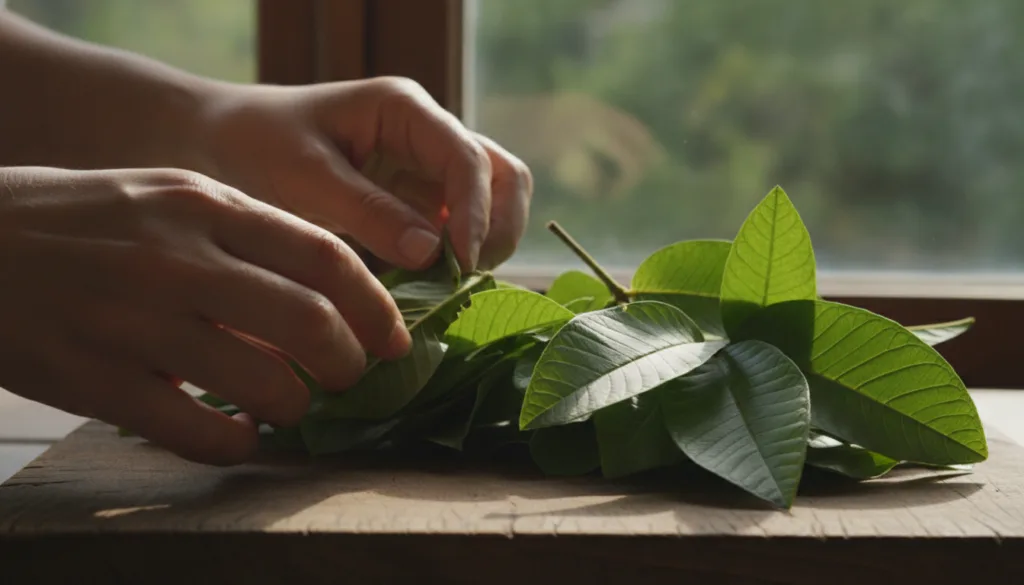
- Preparation: If using fresh leaves, thoroughly wash them under cold running water to remove any dirt or residues. Pat them dry. You can gently tear or bruise larger leaves to help release compounds.
- Combine: Place the fresh or dried guava leaves into a non-reactive pot (stainless steel or glass is ideal).
- Add Water: Pour 4 cups of filtered water over the leaves.
- Simmer: Bring the water to a gentle boil, then immediately reduce the heat to a low simmer. Cover the pot.
- Decoct: Allow the mixture to simmer for 15-20 minutes. This slow, gentle heat is crucial for extracting the beneficial compounds without destroying them.
- Cool & Strain: Remove the pot from the heat and let it cool for another 10-15 minutes, allowing the leaves to continue steeping. Strain the liquid into a clean glass jar or bottle, discarding the used leaves.
How to Use
The resulting decoction is quite concentrated. You can drink it warm or cold. Many find it beneficial to dilute it slightly with warm water, especially if the taste is too strong.
- For Arterial Wellness: Drink 1 cup of the diluted guava leaf tea, 1-2 times daily.
- Optional Additions: A squeeze of lemon juice or a small amount of raw honey can enhance the flavor, but avoid excessive sugar.
How Often to Use
For consistent support, aim to incorporate guava leaf tea into your daily routine. Many individuals use it consistently for 2-4 weeks, then take a short break before resuming. Listen to your body and consult with a healthcare professional for personalized advice, especially if you have existing health conditions.
How to Buy / How to Choose Ingredients
The quality of your leaves directly impacts the potency of your remedy.
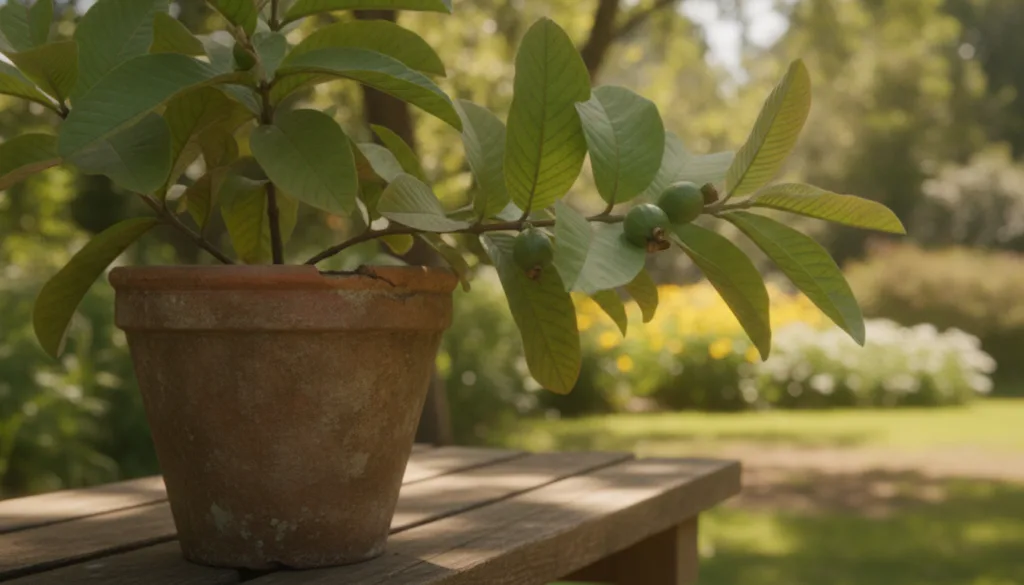
- Fresh Leaves: Look for organic, pesticide-free guava leaves from reputable sources or, ideally, from your own garden. Ensure they are free from pests, yellowing, or dark spots.
- Dried Leaves: Purchase from organic herbal suppliers who specify their sourcing and processing methods. The leaves should retain some color and a mild, pleasant aroma. Avoid powdered forms as their purity and potency can be harder to verify.
Storage
Proper storage is vital to maintain the efficacy and safety of your guava leaf tea.
- Decoction: Store the strained tea in an airtight glass container in the refrigerator for up to 3 days.
- Fresh Leaves: Wrap washed, undried leaves in a paper towel and place in a perforated plastic bag in the refrigerator for up to a week.
- Dried Leaves: Keep in an airtight container away from direct sunlight, heat, and moisture. They can last for 6-12 months.
Practical Tips
- Source Smart: Always prioritize organic, unsprayed leaves. Foraging wild leaves requires expert identification.
- Temperature Matters: Avoid re-boiling the tea, as this can degrade delicate compounds.
- Taste Test: If the decoction is too bitter, dilute it further or try adding a small amount of a natural sweetener.
Quick Tip: For an extra boost, consider adding a slice of fresh ginger during the simmering process for additional circulatory support.
Common Mistakes to Avoid
Even simple remedies have pitfalls that can reduce their effectiveness or lead to undesirable outcomes.
- Using Sprayed Leaves: Chemicals on non-organic leaves can be harmful when ingested. Always verify the source.
- Boiling Too Vigorously or Too Long: Excessive heat can destroy heat-sensitive compounds, reducing the tea’s benefits. A gentle simmer is best.
- Storing Improperly: Leaving the tea out at room temperature can lead to bacterial growth. Refrigeration is key.
- Not Washing Fresh Leaves: Even organic leaves need a thorough wash to remove dust or garden debris.
- Expecting Instant Results: Natural remedies often work synergistically with the body over time. Consistency is more important than intensity.
Comparison: Fresh vs. Dried Guava Leaves
| Feature | Fresh Guava Leaves | Dried Guava Leaves |
|---|---|---|
| Potency | Often considered more potent due to volatile compounds | Slightly less potent; some compounds degrade during drying |
| Availability | Seasonal, requires a guava tree or local sourcing | Year-round, widely available from herbal suppliers |
| Storage | Short shelf-life (1 week refrigerated) | Long shelf-life (6-12 months in airtight container) |
| Preparation | Requires thorough washing and inspection | Ready to use, but quality can vary by supplier |
| Flavor | Fresher, sometimes more vibrant/astringent | Milder, earthier flavor |
Cautions / Who Should Avoid It
While generally considered safe, some individuals should exercise caution or avoid guava leaf tea:
- Pregnancy and Breastfeeding: Limited research, so it’s best to consult a doctor.
- Diabetes: Guava leaves may lower blood sugar. Monitor levels closely if you’re on medication.
- Surgery: It might affect blood sugar or blood clotting, so discontinue use at least two weeks before any scheduled surgery.
- Allergies: If you are allergic to guava fruit, avoid the leaves.
- Medication Interactions: Always discuss with your doctor if you are on any medications, especially for blood pressure, diabetes, or blood thinning, as it might interact.
Quick Summary
Guava leaf tea offers a traditional approach to arterial wellness. It’s best prepared by gently simmering fresh or dried organic leaves. Drink 1 cup, 1-2 times daily, and store the decoction refrigerated for up to 3 days. Always prioritize clean, quality leaves and avoid over-boiling. Consult your doctor, especially if on medication or pregnant.
FAQ
- Can I use fresh or dried guava leaves?
Yes, both fresh and dried leaves can be used. Fresh leaves are often preferred for their full spectrum of compounds, but dried leaves are a convenient and effective alternative. - How long does the guava leaf tea last?
The prepared decoction can be stored in an airtight container in the refrigerator for up to 3 days. - How often should I drink it for arterial wellness?
For consistent support, drinking 1 cup, 1-2 times daily, is generally recommended. - What part of the guava plant is best for this remedy?
The mature leaves are the primary part used for this arterial wellness remedy. - Can I reuse the leaves for another batch?
No, it’s best not to reuse the leaves as most of their beneficial compounds would have already been extracted in the first decoction. - When should I avoid guava leaf tea?
Avoid if pregnant, breastfeeding, or undergoing surgery. Exercise caution and consult a doctor if you have diabetes, are on blood pressure medication, or blood thinners. - Does it taste bitter?
Guava leaf tea can have an earthy, slightly astringent taste. You can dilute it or add a touch of honey or lemon to improve palatability.
Conclusion
Embracing the ancient wisdom of guava leaves for arterial wellness is a practical step towards holistic health. By understanding the proper preparation, usage, and necessary precautions, you can confidently integrate this natural remedy into your daily routine. Remember, consistency is key, and quality sourcing makes all the difference in harnessing the full potential of this humble yet powerful leaf.
You may also like: Read our full guide on herbal teas for circulation
Related remedy: Learn how to make a ginger-turmeric anti-inflammatory tonic