Are you dreaming of a thriving vegetable garden but feeling a bit overwhelmed by the details? Raised beds are fantastic for home gardeners, offering better soil control, drainage, and easier access. But did you know that the depth of your raised bed can make a huge difference in how well your plants grow? Getting the depth right ensures your plant roots have enough room to spread, access nutrients, and stay healthy. Let’s dive into the secrets of optimal raised bed depths to help you achieve your best harvest yet!
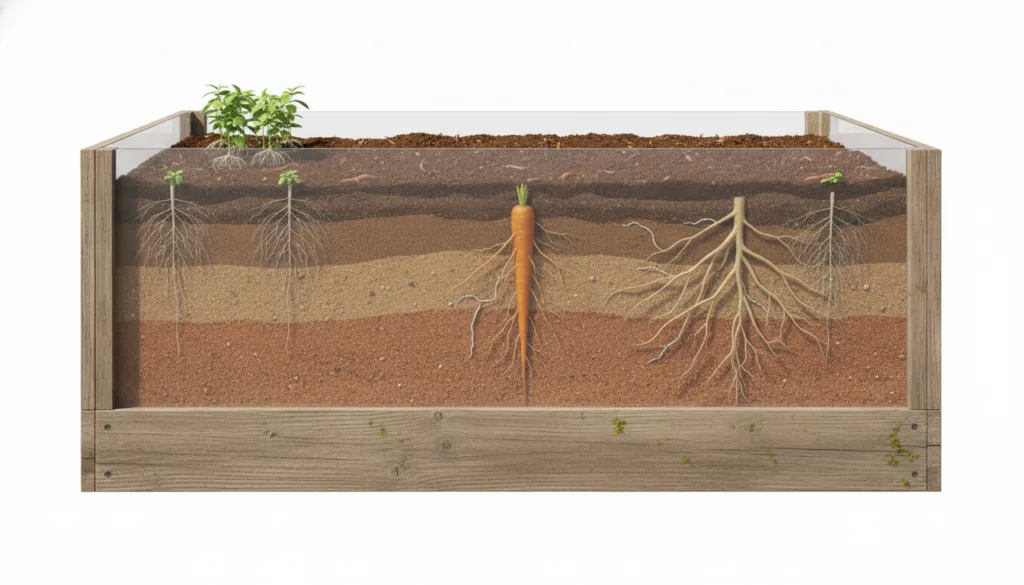
Why Raised Bed Depth Matters for Your Vegetables
Think of plant roots as the hidden engine of your garden. They anchor the plant, absorb water, and take in essential nutrients. If roots are cramped or constantly wet, your plants will struggle, leading to stunted growth, fewer fruits, and a higher risk of disease. Raised beds inherently offer better drainage than in-ground gardens, but matching the depth to your crop’s root system takes things to the next level.
- Nutrient Access: Deeper roots can forage for more nutrients, making plants stronger.
- Water Management: Appropriate depth helps regulate moisture – not too dry, not waterlogged.
- Root Development: Ample space allows roots to spread naturally, leading to healthier, more productive plants.
- Soil Health: More soil volume means a more stable soil ecosystem for beneficial microbes.
Shallow Root Vegetables: 6-12 Inches Deep
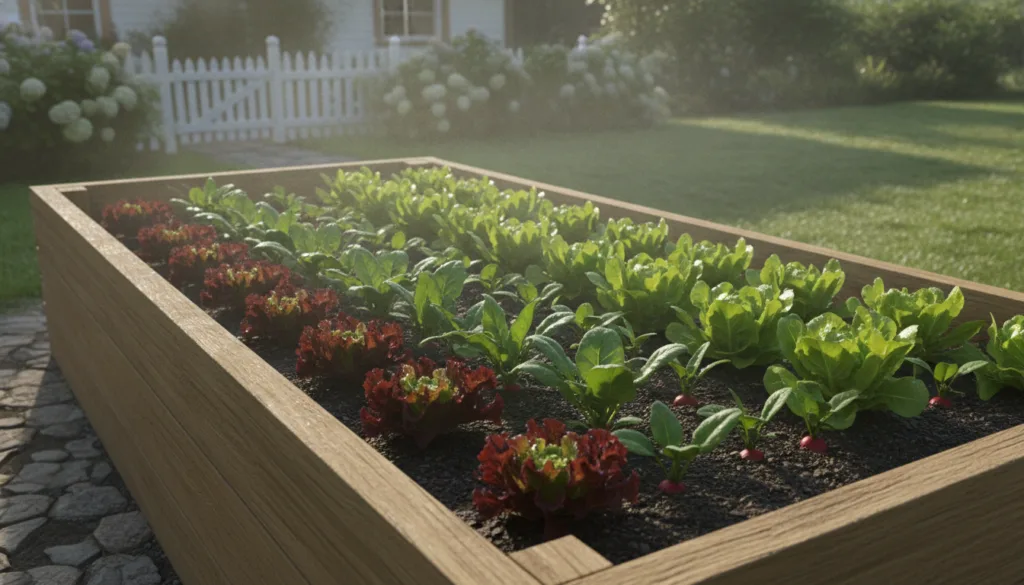
Many popular greens and quick-growing vegetables thrive in shallower raised beds. Their root systems don’t extend far down, so a bed depth of 6 to 12 inches is often perfectly adequate.
Ideal Crops for Shallow Beds:
- Lettuce & Salad Greens: (e.g., romaine, butterhead, spinach, arugula)
- Radishes: Quick-growing and don’t need much vertical space.
- Green Onions/Scallions: Their roots are fibrous and compact.
- Most Herbs: (e.g., cilantro, basil, mint, thyme, oregano) Many herbs are perfectly happy in shallower conditions.
- Strawberries: While they can spread, their root systems are relatively shallow.
For these plants, focusing on rich, well-draining soil is more important than extreme depth.
Medium Root Vegetables: 12-18 Inches Deep
This category covers a wide range of common garden vegetables. A bed depth between 12 and 18 inches provides enough room for their root systems to establish strongly without being excessively deep.
Ideal Crops for Medium Beds:
- Bush Beans & Peas: These legumes appreciate the extra space.
- Broccoli & Cabbage: These brassicas have moderate root systems.
- Peppers & Eggplant: While they grow tall, their roots are typically in this range.
- Corn (Dwarf Varieties): Many dwarf corn varieties can do well in a 12-18 inch bed.
- Swiss Chard & Kale: Larger leafy greens benefit from more root depth.
A 12-18 inch raised bed is often considered a versatile all-rounder for most home gardens.
Deep Root Vegetables: 18+ Inches Deep
For crops that send down long taproots or develop extensive root networks, deeper beds are essential. Without adequate depth, these plants can become stressed, leading to poor yields or misshapen produce.
Ideal Crops for Deep Beds:
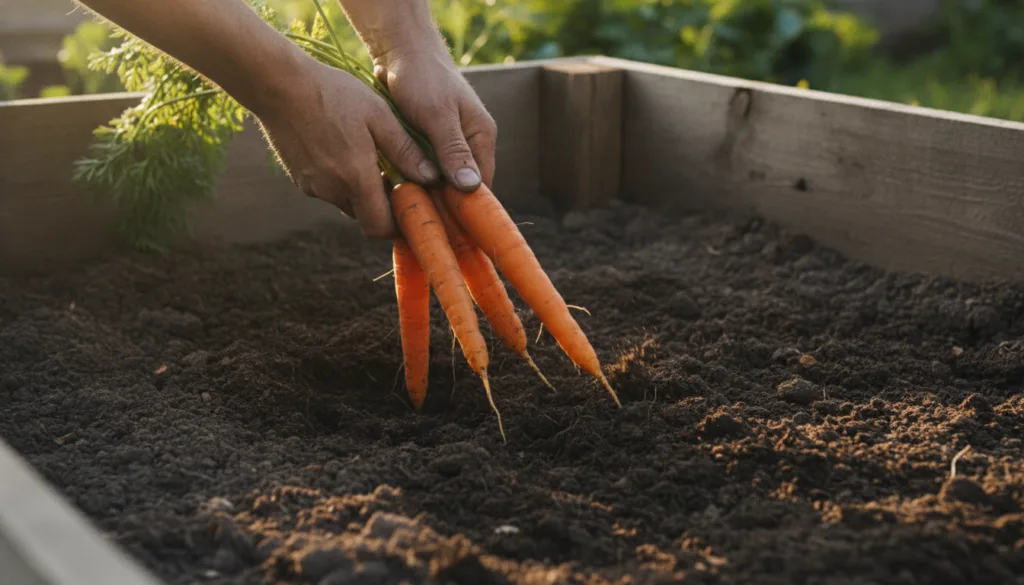
- Carrots & Parsnips: These root vegetables need plenty of vertical space to grow long and straight.
- Potatoes & Sweet Potatoes: They form tubers underground, requiring significant depth to develop fully.
- Tomatoes: While often grown in shallower containers, tomatoes are heavy feeders with deep, sprawling root systems. Deeper beds lead to stronger, more productive plants.
- Squash & Pumpkins: These vining plants have extensive root systems to support their large fruits.
- Asparagus: A perennial vegetable that establishes deep roots for many years of harvests.
If you’re planning to grow any of these, aim for at least 18 inches, with 24 inches being even better for some like carrots or indeterminate tomatoes.
General Tips for Raised Bed Success
Beyond depth, a few other factors are crucial for a flourishing raised bed garden:
- Quality Soil: Always fill your raised beds with a high-quality blend of compost, topsoil, and amendments. Good soil is the foundation of healthy plants.
- Drainage: Even deep beds need good drainage. Consider adding a layer of coarse material (like wood chips or small branches) at the very bottom if your bed is very deep and drainage is a concern, though this isn’t always necessary with well-structured soil.
- Watering: Raised beds tend to dry out faster than in-ground gardens. Monitor soil moisture regularly and water deeply.
- Sunlight: Most vegetables need at least 6-8 hours of direct sunlight per day. Position your raised beds accordingly.
Start Digging (or Filling!) Your Dream Garden!
Choosing the right depth for your raised garden beds doesn’t have to be complicated. By understanding the general needs of your chosen crops, you can create an environment where their roots can thrive, leading to healthier plants and more abundant harvests. So, whether you’re growing crisp lettuce or long, sweet carrots, tailor your raised bed depth to their needs, and watch your garden flourish!
Happy gardening!