Unlock Your Garden’s Potential: Companion Planting!
Are you dreaming of a vibrant, thriving garden bursting with healthy vegetables and beautiful blooms? Do you want to grow more sustainably, naturally, and with less effort? If so, then it’s time to unlock the magic of companion planting! This age-old gardening technique is a fantastic way to boost your garden’s health, deter pests, and even improve the flavor of your harvest, all by strategically placing different plants together.
At Garden – L. Quyên, we believe gardening should be enjoyable and rewarding. Companion planting is a perfect example of how working with nature can lead to incredible results. It’s like creating a harmonious ecosystem right in your backyard!
What Exactly is Companion Planting?
Companion planting is the practice of growing different plants together for mutual benefit. Just like certain friends bring out the best in each other, some plants flourish when planted side-by-side, offering a range of advantages that help both flourish. These benefits can include:
- Natural Pest Control: Some plants repel pests that might harm their neighbors, while others attract beneficial insects that prey on unwanted visitors.
- Improved Growth and Yield: Certain companions can enhance the growth rate and overall productivity of nearby plants.
- Better Soil Health: Some plants, like legumes, can fix nitrogen in the soil, making it available for other plants. Deep-rooted companions can break up compacted soil, improving drainage and aeration.
- Shade and Support: Taller plants can provide essential shade for smaller, more sensitive plants, while sturdy plants can offer a natural trellis for climbing varieties.
- Enhanced Flavor: Believe it or not, some companion plants are said to improve the taste of your vegetables!
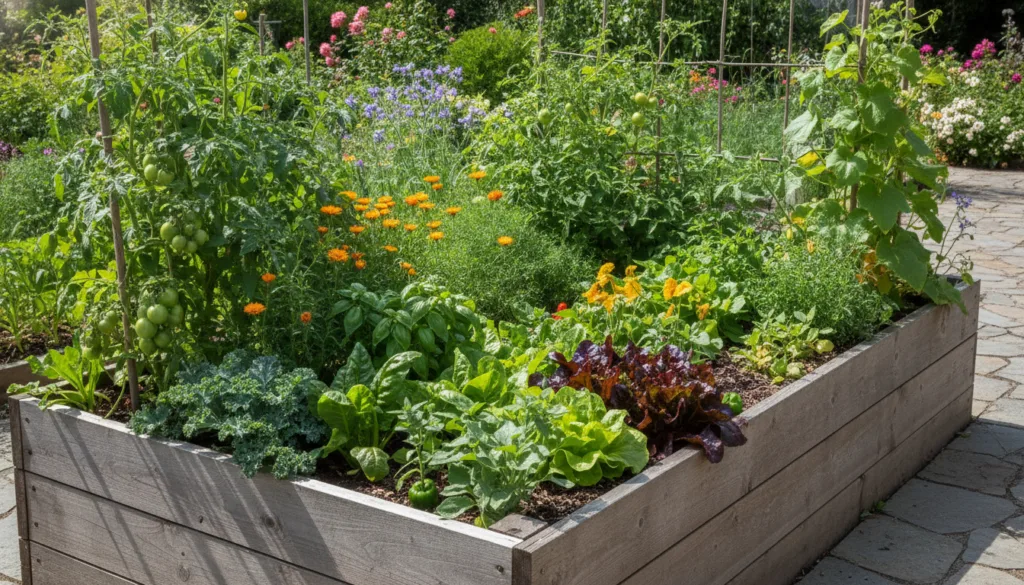
Optimal Vegetable Pairings for a Thriving Companion Garden
Ready to put companion planting into practice? Here are some of our favorite pairings that can transform your home harvest:
1. The Three Sisters: Corn, Beans, and Squash
This ancient Native American planting technique is a classic for a reason. Each plant plays a crucial role:
- Corn: Provides a natural stalk for the beans to climb.
- Beans: Fix nitrogen in the soil, fertilizing the corn and squash.
- Squash: Its large leaves spread across the ground, shading the soil to suppress weeds, retain moisture, and deter pests.
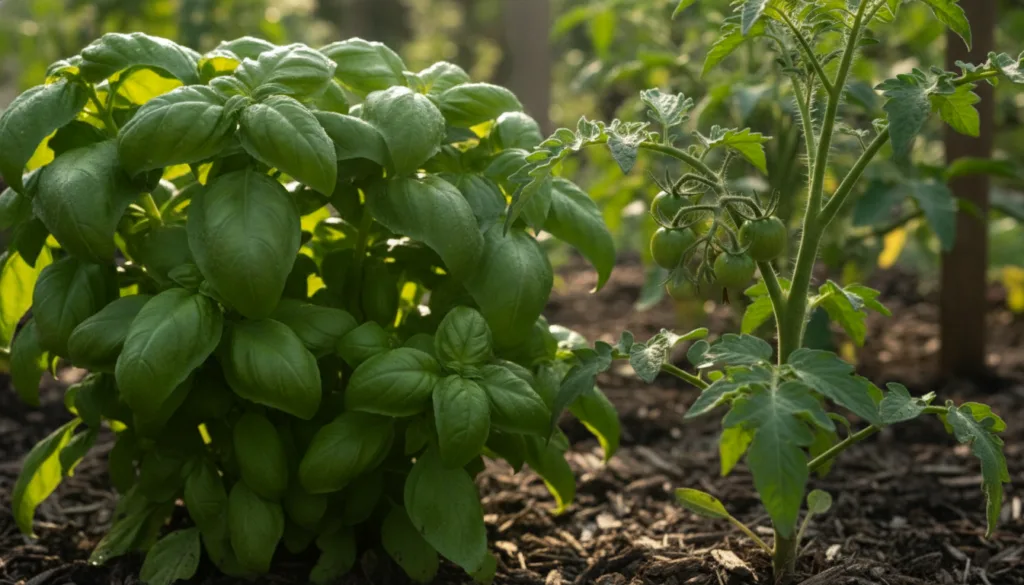
2. Tomatoes & Basil / Marigolds / Carrots
- Tomatoes & Basil: Basil is believed to improve the flavor of tomatoes and repel tomato hornworms and flies.
- Tomatoes & Marigolds: Marigolds are excellent for deterring nematodes and other harmful soil pests.
- Tomatoes & Carrots: Planting carrots near tomatoes can improve carrot growth.
3. Cabbage Family (Broccoli, Kale, Cabbage) & Dill / Rosemary / Thyme
- Cabbage & Dill: Dill can attract beneficial wasps that prey on cabbage worms and other pests.
- Cabbage & Rosemary/Thyme: The strong scent of these herbs can deter cabbage moths.
4. Cucumbers & Radishes / Nasturtiums
- Cucumbers & Radishes: Radishes loosen the soil, benefiting the cucumber roots.
- Cucumbers & Nasturtiums: Nasturtiums act as a trap crop, drawing aphids away from your cucumbers, and their flowers are edible too!
5. Lettuce & Carrots / Radishes
- Lettuce & Carrots/Radishes: These shorter crops can be interplanted with lettuce, maximizing space, and they don’t compete for the same nutrients.
Plants to Avoid Planting Together
Just as some plants are great companions, others can hinder each other’s growth. Here are a few to keep in mind:
- Fennel: Known to inhibit the growth of many plants, best planted alone.
- Beans & Onions/Garlic: Onions and garlic can stunt the growth of beans.
- Cabbage & Strawberries: These two can compete for nutrients and attract similar pests.
Tips for Starting Your Companion Garden
- Plan Ahead: Before you plant, research common companion pairings for the vegetables you want to grow.
- Observe Your Garden: Pay attention to what works well and what doesn’t in your specific microclimate and soil.
- Start Small: Don’t try to revamp your entire garden at once. Experiment with a few pairings and expand as you gain confidence.
- Good Spacing: While plants benefit from proximity, ensure they still have enough room to grow without overcrowding.
Companion planting is a rewarding journey that connects you more deeply with the natural processes of your garden. It’s an easy, organic way to create a more resilient and productive growing space, leading to healthier plants and a more bountiful harvest. Give it a try this season and watch your garden truly flourish!
Happy gardening!