There’s a special kind of magic that happens when you plant a tiny seed and watch it transform into a thriving plant. For many home gardeners, starting vegetables from seed is one of the most rewarding aspects of cultivation. But do you ever wonder how long it takes for those little seeds to wake up and sprout? Understanding vegetable germination times is key to planning your garden, maximizing your harvest, and truly unlocking your green thumb!
What is Germination and Why Does it Matter?
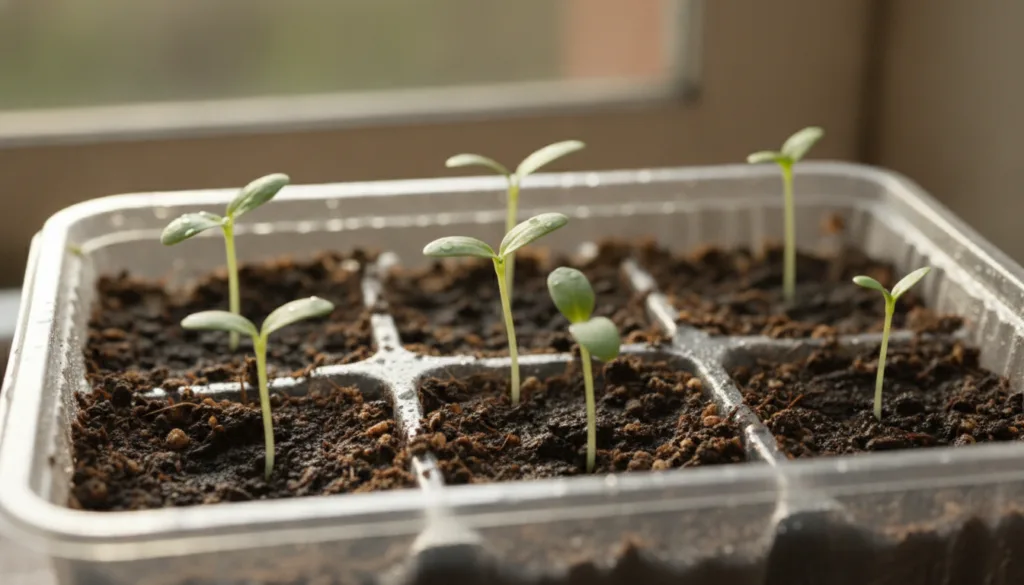
Germination is the process by which a seed sprouts and develops into a seedling. It’s when the embryo inside the seed ‘wakes up’ and begins to grow, pushing a root downwards and a shoot upwards. This crucial first step requires specific conditions like adequate moisture, warmth, and sometimes light.
Knowing the average germination time for each vegetable is incredibly important for several reasons:
- Planning: It helps you time your seed starting so your seedlings are ready to be transplanted outdoors at the optimal moment, avoiding early or late frosts.
- Succession Planting: For continuous harvests, understanding germination times allows you to plant new batches of seeds as older plants mature.
- Troubleshooting: If seeds aren’t sprouting, knowing their typical germination window helps you determine if there’s a problem or if you just need to be more patient.
- Maximizing Space: Efficiently using your seed starting setup by grouping seeds with similar germination needs.
Key Factors for Successful Germination
While each seed has its own internal clock, you can greatly influence the success and speed of germination by controlling a few environmental factors:
1. Temperature is Crucial
Different seeds have different ideal soil temperatures for germination. Most warm-season crops (like tomatoes, peppers, and cucumbers) prefer warmer soil, while cool-season crops (like lettuce, spinach, and peas) germinate better in cooler soil. Using a seed-starting heat mat can be a game-changer for speeding up germination of heat-loving plants.
2. Consistent Moisture
Seeds need consistent moisture to soften their seed coat and trigger the embryonic plant to begin growing. The key is moist, not waterlogged. Overwatering can lead to damping-off disease, which can quickly kill young seedlings. A fine mist sprayer or bottom-watering technique works best for seed trays.
3. Proper Planting Depth
A general rule of thumb is to plant seeds at a depth two to three times their width. Some tiny seeds need light to germinate and should be barely covered or left on the surface, while others require darkness. Always check your seed packet for specific instructions.
4. Quality Seeds
Using fresh, viable seeds is paramount. Older seeds tend to have lower germination rates and may take longer to sprout, if they sprout at all. Purchasing from reputable suppliers ensures you get high-quality seeds.
5. Good Seed Starting Mix
A sterile, lightweight seed starting mix provides the ideal environment for delicate seedlings. It offers good drainage while retaining enough moisture and is free from disease pathogens often found in garden soil.
Common Vegetable Germination Times
Here’s a handy guide to the average germination times for some popular garden vegetables. Remember, these are averages, and actual times can vary based on conditions.
- Beans: 5-10 days
- Beets: 5-10 days
- Carrots: 7-21 days
- Corn: 7-10 days
- Cucumbers: 3-10 days
- Eggplant: 7-14 days
- Kale: 5-10 days
- Lettuce: 7-10 days
- Melons: 4-10 days
- Onions: 7-14 days
- Peas: 7-14 days
- Peppers: 7-21 days
- Pumpkins: 4-10 days
- Radishes: 3-7 days
- Spinach: 5-14 days
- Squash (Summer & Winter): 4-10 days
- Tomatoes: 5-10 days
- Zucchini: 4-10 days
Pro Tip: Keeping a gardening journal to record your planting dates and actual germination times can be incredibly helpful for future planning and learning what works best in your specific garden environment!
Troubleshooting Germination Problems
Don’t be discouraged if some seeds don’t sprout on schedule. Here are a few common issues and solutions:
- No Germination: Check seed viability (do a germination test), ensure proper temperature, moisture, and planting depth. Old seeds are a common culprit.
- Slow Germination: Often due to sub-optimal temperatures or inconsistent moisture. Adjust conditions accordingly.
- Leggy Seedlings: If your seedlings sprout but become tall and spindly, they are likely not getting enough light. Move them closer to a grow light or a bright window immediately after germination.
Happy Planting and Harvesting!
Starting seeds and nurturing them through germination is a truly rewarding experience that connects you directly to the food you eat and the beauty you cultivate. By understanding and providing the ideal conditions for your seeds, you’re well on your way to a bountiful home harvest. Happy gardening!
What are your favorite vegetables to start from seed? Share your tips and experiences in the comments below!