Welcome, fellow garden enthusiasts! Are you dreaming of a continuous harvest, a vibrant garden, and fresh vegetables right from your backyard? The secret to a thriving garden lies in good planning and understanding what to do when. That’s why we’ve put together this comprehensive year-round vegetable garden calendar, your ultimate companion for a bountiful home harvest!
No more guessing when to plant what or struggling with pest problems that could have been prevented. This guide will walk you through the essential tasks for each month, helping you grow healthy plants and enjoy a greener lifestyle, regardless of your experience level. Let’s dig in!
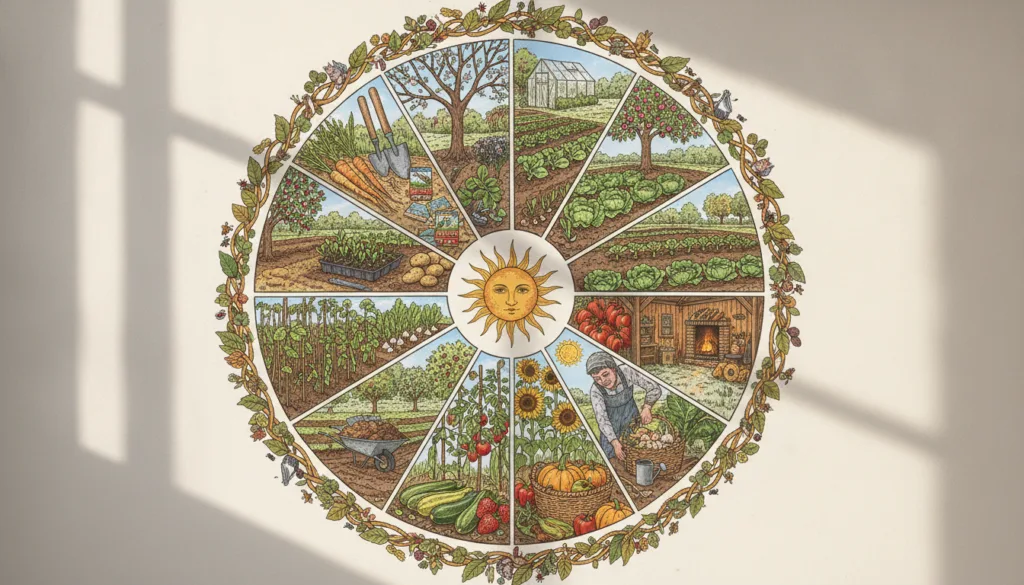
Understanding Your Garden’s Rhythm: A Monthly Breakdown
While specific timings can vary based on your local climate zone, these general guidelines offer a fantastic starting point. Always check with your local agricultural extension for precise recommendations!
January: Planning & Preparation
- Review Last Year: What worked? What didn’t? Make notes for improvements.
- Order Seeds: January is prime time to order seeds, especially if you’re looking for unique or popular varieties that might sell out.
- Clean & Maintain Tools: Sharpen, clean, and repair your gardening tools.
- Plan Your Layout: Sketch your garden beds, considering crop rotation and companion planting.
February: Starting Seeds Indoors
- Start Early Seeds: Begin germinating long-season vegetables like tomatoes, peppers, and eggplants indoors under grow lights.
- Soil Testing: If you haven’t recently, test your garden soil to understand its nutrient profile and pH.
- Prepare Beds: Clear any remaining debris from garden beds and add compost or organic matter.
March: Early Spring Planting
- Harden Off Seedlings: Gradually acclimate your indoor-started plants to outdoor conditions.
- Direct Sow Cool-Season Crops: Plant peas, lettuce, spinach, radishes, carrots, and kale directly into the garden.
- Weed Control: Get a head start on weeds before they become a problem.
April: Peak Spring Planting
- Plant Transplants: Once the danger of frost has passed, transplant hardy seedlings like broccoli, cabbage, and onions.
- Continue Direct Sowing: Plant more cool-season crops for successional harvests.
- Fertilize: Give your emerging plants a boost with a balanced organic fertilizer.
May: Warm Season Planting & Maintenance
- Plant Warm-Season Crops: After the last frost date, plant tomatoes, peppers, squash, cucumbers, and beans.
- Support & Trellis: Install stakes or trellises for climbing plants like tomatoes, peas, and cucumbers.
- Pest Watch: Keep an eye out for early signs of pests and address them organically.
June: Growth & Early Harvests
- Water Regularly: As temperatures rise, ensure your garden gets adequate water, especially newly planted vegetables.
- Mulch: Apply a layer of organic mulch to conserve moisture, suppress weeds, and regulate soil temperature.
- Harvest Early Crops: Enjoy your first harvests of lettuce, radishes, spinach, and peas.
July: Mid-Summer Abundance
- Succession Planting: Plant more beans, corn, and quick-growing greens for continuous harvest.
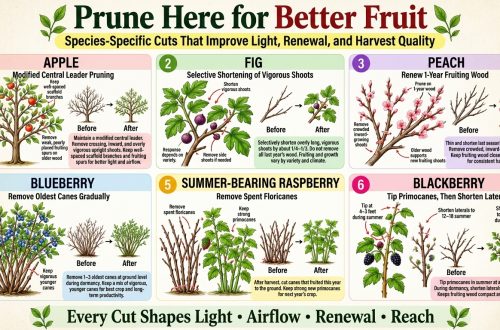
- Deadhead & Prune: Remove spent flowers and prune any diseased or unproductive foliage.
- Pest & Disease Management: Stay vigilant and address any issues promptly.
- Enjoy Harvests: Tomatoes, peppers, squash, cucumbers, and more will be ripening!
August: Preparing for Fall
- Plan Fall Garden: Decide what cool-season crops you want to grow for a fall harvest.
- Start Fall Seeds Indoors: Begin seeds for kale, broccoli, and cabbage to transplant later.
- Harvest Continuously: Keep picking ripe vegetables to encourage more production.
September: Fall Planting & Harvesting
- Plant Fall Crops: Transplant your fall seedlings and direct sow carrots, beets, and more greens.
- Extend the Season: Consider using row covers or cold frames for frost protection.
- Compost: Add any spent plant material to your compost pile.
October: Late Harvests & Cleanup
- Harvest Before Frost: Pick any remaining warm-season crops before a hard frost hits.
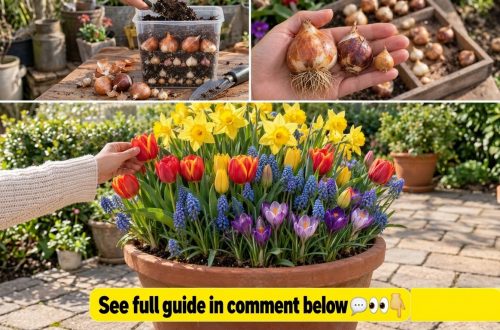
- Garlic & Shallots: Plant garlic and shallots for next year’s harvest.
- Clean Up Beds: Remove dead plants, weeds, and debris.
November: Winter Preparation
- Protect Soil: Plant a cover crop or apply a thick layer of mulch to protect your garden beds over winter.
- Tool Storage: Clean and store all your gardening tools properly.
- Review & Reflect: Take time to assess your gardening year, noting successes and challenges.
December: Rest & Dream
- Relax: Give yourself and your garden a well-deserved rest.
- Read & Learn: Dive into gardening books, magazines, or online resources for new ideas.
- Dream & Plan: Start dreaming about next year’s garden and sketching out new possibilities!
Tips for Year-Round Success
- Know Your Zone: Understand your USDA Hardiness Zone and local frost dates.
- Observe Your Garden: Pay attention to what your plants are telling you through their growth and health.
- Start Small: Don’t try to do too much at once, especially if you’re new to gardening.
- Embrace Organic Practices: Healthy soil and natural pest control lead to healthier plants and harvests.
- Keep a Garden Journal: Documenting your planting dates, harvests, and observations will be invaluable for future years.
Conclusion: Your Garden, Your Harvest
Gardening is a journey of continuous learning and immense satisfaction. With this year-round calendar, you’re well-equipped to nurture your vegetable patch from planning to abundant harvest. Remember, every gardener faces challenges, but with consistent care and a good plan, you’ll be enjoying fresh, homegrown vegetables all year long. Happy gardening!