Curious about the best way to enjoy your chia seeds? These tiny nutritional powerhouses have become a staple in healthy diets, celebrated for their omega-3 fatty acids, fiber, and protein. But when it comes to preparing them, a common question arises: should you opt for whole or ground chia seeds? This visual guide reveals a key difference in their preparation and how it impacts the benefits you receive. Understanding the distinction between whole vs. ground chia seeds can help you optimize their incredible health potential and ensure you’re getting the most out of every spoonful.
While both forms offer remarkable nutritional value, how you process chia seeds can significantly affect nutrient absorption and how they interact with your digestive system. Let’s delve into the core differences and explore which form might be best suited for your wellness goals and dietary needs.
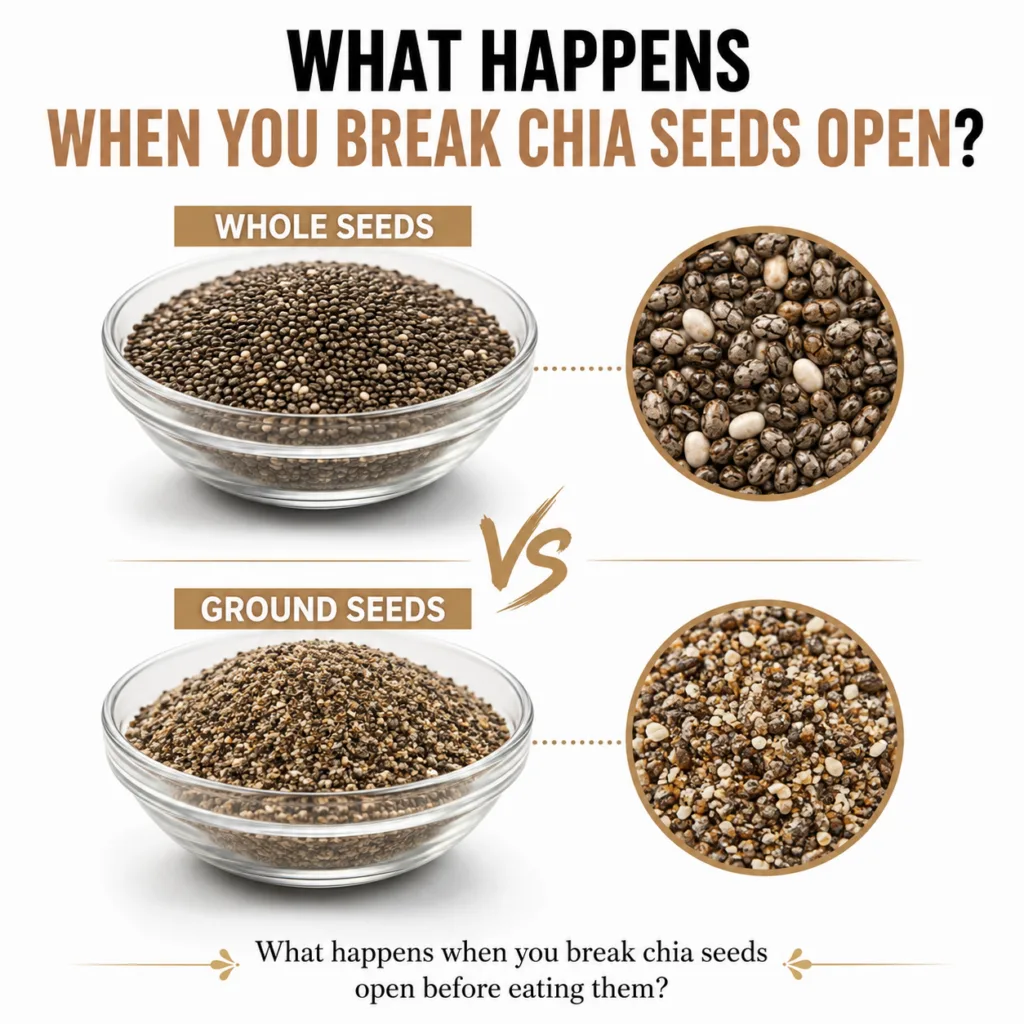 Unpacking the visual differences between whole and ground chia seeds.
Whole vs. Ground Chia Seeds: Unpacking the Difference
The fundamental distinction between whole and ground chia seeds lies in their physical structure and, consequently, how easily your body can access their nutrients.
What Happens When You Break Chia Seeds Open?
When you consume whole chia seeds, their tough outer shell remains intact. This shell is primarily composed of insoluble fiber, which absorbs water and forms a gel-like consistency in your digestive tract. While beneficial for digestion, this robust casing can sometimes act as a barrier, making it more challenging for your body to fully access the delicate nutrients nestled within.
In contrast, grinding chia seeds breaks open this outer shell. This process transforms the seeds into a fine powder, revealing their inner components. Visually, the difference is striking: whole seeds are distinct, tiny ovals, while ground seeds present a uniform, flour-like texture. This physical alteration has significant implications for how your body processes and utilizes the seeds’ nutritional bounty.
The “Why” Behind Grinding: Bioavailability of Nutrients
The primary reason many opt for ground chia seeds is to enhance nutrient bioavailability. Chia seeds are a fantastic source of alpha-linolenic acid (ALA), a plant-based omega-3 fatty acid crucial for heart health and reducing inflammation. They also pack a punch of fiber, protein, antioxidants, and minerals like calcium and magnesium.
When the seed’s outer shell is broken through grinding, these nutrients become more exposed and easier for your digestive enzymes to reach. This means that your body may be able to absorb a greater percentage of the omega-3s and other beneficial compounds from ground chia seeds compared to whole ones.
Whole Chia Seeds: Their Unique Advantages
Despite the potential for enhanced nutrient absorption with ground seeds, whole chia seeds offer distinct benefits and play a valuable role in a balanced diet.
- Digestive Support: The insoluble fiber in whole chia seeds acts as a bulking agent, supporting regular bowel movements and promoting gut health. As they swell in water, they can help you feel fuller for longer, aiding in satiety and weight management.
- Sustained Energy Release: The intact fiber structure can slow down the digestion and absorption of carbohydrates, leading to a more gradual release of energy and helping to stabilize blood sugar levels.
- Texture and Versatility: Whole chia seeds provide a unique texture, whether you enjoy their slight crunch in a salad or the thick, gel-like consistency they create in puddings and smoothies.
- Longer Shelf Life: Whole chia seeds tend to have a longer shelf life than ground seeds because their outer shell protects the delicate omega-3s from oxidation.
Ground Chia Seeds: Maximizing Nutrient Absorption
For those looking to get the absolute most out of every nutrient, ground chia seeds often come out on top.
- Enhanced Omega-3 Absorption: As mentioned, grinding breaks down the fiber-rich outer layer, allowing for potentially greater absorption of omega-3 fatty acids and other fat-soluble vitamins and antioxidants.
- Easier Digestion for Some: For individuals with sensitive digestive systems or those who find whole seeds difficult to digest, the pre-broken-down form of ground chia seeds may be gentler on the stomach.
- Smooth Consistency: Ground chia seeds blend seamlessly into smoothies, yogurts, and baked goods without altering the texture significantly, making them ideal for those who prefer a smoother consistency.
- Versatile in Recipes: They can be used as a gluten-free flour alternative, an egg replacer (when mixed with water), or a thickening agent in sauces and gravies.
Choosing the Right Form for You
Ultimately, the “best” form of chia seeds depends on your individual health goals, digestive comfort, and how you plan to use them.
- For Maximum Omega-3 Absorption: If your primary goal is to maximize your intake and absorption of ALA omega-3s, ground chia seeds might be your preferred choice.
- For Digestive Health and Satiety: Both forms are excellent sources of fiber, but whole chia seeds, with their intact structure, may offer a slightly more pronounced bulking effect in the digestive tract.
- For Smoothies and Baking: Ground chia seeds integrate more smoothly into recipes where a uniform texture is desired. They are an excellent addition to smoothies for a nutrient boost without a noticeable crunch.
- For Chia Puddings and Gels: Whole chia seeds are perfect for creating the classic chia pudding consistency, as their outer shells absorb liquid to form a thick gel.
- Consider Digestion: If you experience digestive discomfort with whole seeds, try ground seeds. Alternatively, soaking whole chia seeds for at least 15-30 minutes before consumption can also aid digestion.
How to Incorporate Chia Seeds into Your Diet
Whether you choose whole or ground, adding chia seeds to your daily routine is simple and delicious. Here are some popular ideas:
- Chia Seed Pudding: Mix 1/4 cup whole chia seeds with 1 cup of milk (dairy or non-dairy), a touch of sweetener, and your favorite fruit. Chill overnight for a creamy, high-fiber breakfast.
- Smoothie Booster: Add 1-2 tablespoons of ground chia seeds to your morning smoothie for an extra boost of fiber, protein, and omega-3s. They blend in perfectly without affecting texture.
- Oatmeal Topping: Sprinkle either whole or ground chia seeds over your oatmeal or yogurt for added texture and nutrition.
- Baking Ingredient: Use ground chia seeds in muffins, breads, or cookies as a binder or to boost the nutritional profile. You can even create a “chia egg” by mixing 1 tablespoon of ground chia seeds with 3 tablespoons of water and letting it sit for 5 minutes.
- Salad Dressing Thickener: Whisk ground chia seeds into homemade salad dressings for a creamy texture and added nutrients.
Remember to always hydrate chia seeds adequately, whether whole or ground, especially if consuming larger quantities, to prevent potential digestive discomfort.
Frequently Asked Questions About Chia Seeds
Do ground chia seeds lose nutrients faster?
Ground chia seeds, due to their exposed surface area, are more susceptible to oxidation, which can degrade delicate omega-3 fatty acids. It’s best to grind them fresh or buy them in smaller quantities and store them in an airtight container in the refrigerator or freezer to preserve their potency.
Can I grind chia seeds at home?
Absolutely! You can easily grind whole chia seeds at home using a coffee grinder, spice grinder, or a high-speed blender. Simply process them until they reach a fine, flour-like consistency.
Are whole chia seeds good for digestion?
Yes, whole chia seeds are excellent for digestion thanks to their high fiber content. The insoluble fiber helps to add bulk to stool, promoting regularity, while the soluble fiber forms a gel that can help feed beneficial gut bacteria.
What are the best chia seeds to buy?
When purchasing chia seeds, look for organic, non-GMO varieties from reputable brands. Both black and white chia seeds offer similar nutritional profiles, so choose based on availability and personal preference.
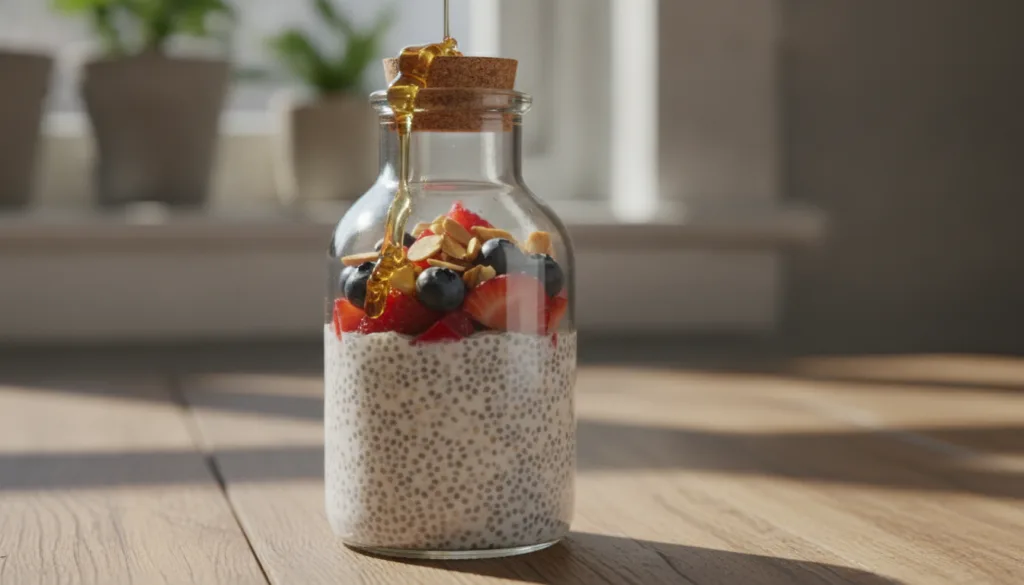 Enjoying chia seeds in a delicious and nutritious pudding.
Final Thoughts
Both whole and ground chia seeds are nutritional powerhouses that can significantly enhance your diet. The key takeaway is that grinding chia seeds can make their essential nutrients, particularly omega-3s, more accessible for your body to absorb. However, whole seeds still provide exceptional fiber benefits for digestion and satiety. By understanding the unique advantages of each form, you can make an informed choice that aligns with your health objectives and enjoy all the incredible benefits these tiny seeds have to offer.
Medical Disclaimer
The information provided in this article is for general knowledge and informational purposes only, and does not constitute medical advice. It is essential to consult with a qualified healthcare professional or registered dietitian before making any significant changes to your diet or if you have any health concerns.