Unlock the Best Way to Eat Eggs: A Nutrition Comparison
Eggs are a true superfood, packed with protein, vitamins, and minerals. They’re incredibly versatile, forming the base of countless breakfasts, lunches, and dinners. But have you ever wondered if how you cook your egg changes its nutritional value? The answer is yes! Different cooking methods can subtly alter the nutrients, digestibility, and even the safety of this kitchen staple.
In this article, we’ll dive into the world of egg preparation, comparing raw, soft-boiled, medium cooked, and hard-boiled/fried eggs. You’ll learn how each method affects the protein, vitamins, and minerals, helping you choose the best way to enjoy your eggs based on your health goals and preferences. Get ready to crack the code on egg nutrition!
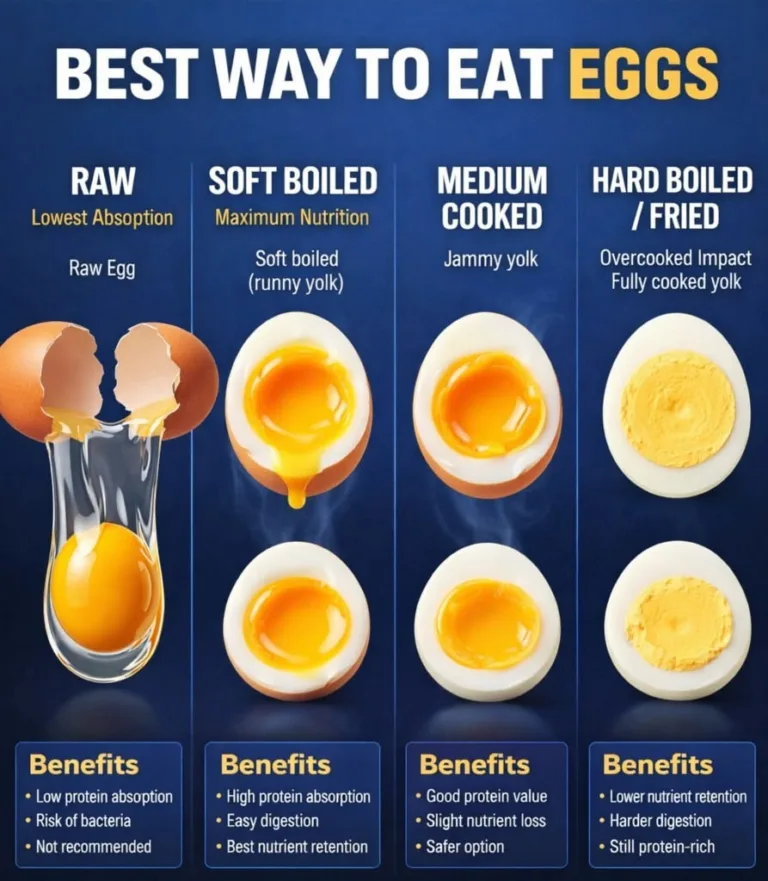
Egg Cooking Methods: A Nutrition Breakdown
Let’s explore the common ways we prepare eggs and what happens to their nutritional profile with each method.
Raw Eggs
Some people opt for raw eggs, often added to smoothies or health drinks. While raw eggs contain all the original nutrients, there are a few important considerations.
- Protein Bioavailability: Raw egg whites contain avidin, a protein that can bind to biotin (a B vitamin), preventing its absorption. Cooking denatures avidin, releasing biotin. Research suggests that the protein in cooked eggs is also more digestible than in raw eggs.
- Nutrient Retention: Heat-sensitive vitamins, like some B vitamins, are fully present in raw eggs.
- Safety: The primary concern with raw eggs is the risk of Salmonella bacterial infection. This risk is low but present, especially for vulnerable populations.
Soft-Boiled Eggs
With a firm white and a wonderfully runny yolk, soft-boiled eggs are a favorite for many. This method involves cooking just enough to set the white while keeping the yolk liquid.
- Nutrient Preservation: The minimal cooking time and lower temperature for the yolk help preserve many heat-sensitive vitamins and antioxidants found in the yolk.
- Digestibility: Both the white and yolk are easily digestible.
- Taste & Texture: A creamy, rich yolk provides a delightful contrast to the tender white.

Medium Cooked Eggs
Falling between soft and hard-boiled, medium-cooked eggs have a fully set white and a yolk that is slightly firm on the outside but still gooey and vibrant in the center.
- Nutrient Balance: Offers a good balance, with most nutrients well-preserved and excellent protein digestibility.
- Versatility: Great for salads, sandwiches, or just eaten plain.
- Safety: The whites are fully cooked, reducing any bacterial risk, while the yolk is still tender.
Hard-Boiled and Fried Eggs
Hard-boiled eggs have a completely firm white and yolk, while fried eggs involve cooking in a pan, often with added fat. These are among the most popular ways to eat eggs.
- Protein Digestibility: Fully cooked eggs have highly digestible protein, as heat denatures the proteins, making them easier for the body to break down.
- Vitamin Loss: Prolonged high heat can lead to a slight loss of some water-soluble vitamins (like certain B vitamins), but the overall nutritional profile remains strong.
- Convenience & Versatility: Hard-boiled eggs are excellent for meal prep, snacks, and salads. Fried eggs offer a crispy texture and flavor, though the added oil can increase calorie and fat content.
Nutrition Comparison: Egg Cooking Methods
Here’s a quick look at how the different cooking methods compare, focusing on key aspects.
| Cooking Method | Calories (approx.) | Protein (g) | Fat (g) | Main Nutrients | Best Benefit |
|---|---|---|---|---|---|
| Raw | 70-75 | 6-7 | 5 | Vitamins D, B12, Selenium, Choline | Fullest original nutrient profile (though some absorption issues) |
| Soft-Boiled | 70-75 | 6-7 | 5 | Vitamins D, B12, Selenium, Choline | Excellent nutrient preservation, easy digestion |
| Medium Cooked | 70-75 | 6-7 | 5 | Vitamins D, B12, Selenium, Choline | Good balance of digestibility and nutrient retention |
| Hard-Boiled | 70-75 | 6-7 | 5 | Vitamins D, B12, Selenium, Choline | High protein digestibility, convenience |
| Fried (in oil) | 90-110+ | 6-7 | 7-10+ | Vitamins D, B12, Selenium, Choline | Flavor, crispy texture (higher fat/calories) |
Note: Nutritional values are approximate for one large egg and can vary slightly. Frying adds calories and fat depending on the amount and type of oil used.
Who Should Eat Which Type of Egg?
The