Are you getting enough folate in your diet? This essential nutrient is crucial for your overall health, playing a vital role in everything from cell growth to metabolism. Many people aren’t aware of how important folate is or where to find it in their everyday meals.
Folate, also known as vitamin B9, is a powerhouse nutrient that supports countless bodily functions. From helping your body make new cells to keeping your heart healthy, its impact is far-reaching. The good news is that this vital nutrient is abundant in many delicious and common foods.
In this guide, we’ll explore what folate is, why it’s so important, and how you can easily incorporate more folate-rich foods into your daily routine. Get ready to power up your health!
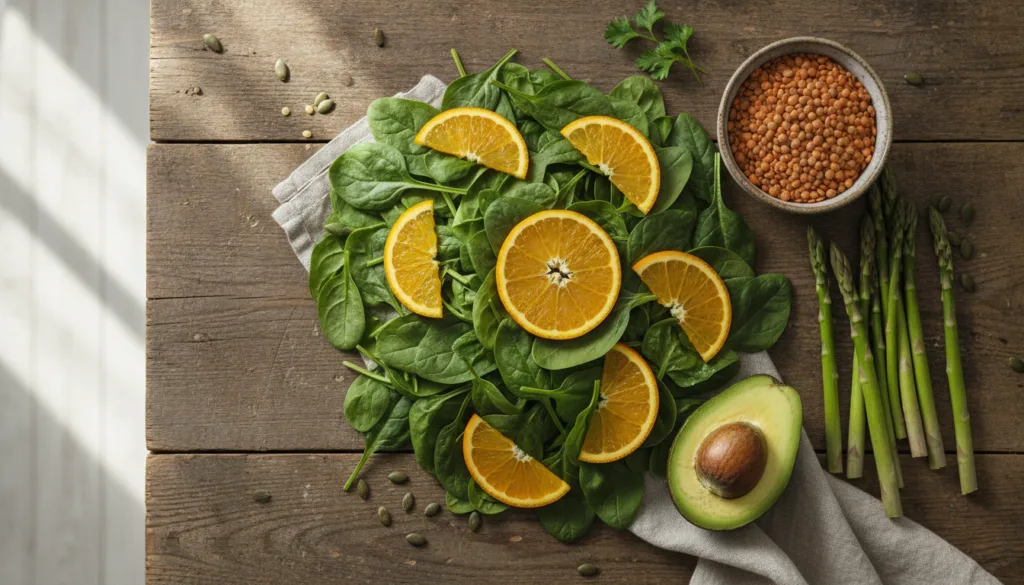
What is Folate? The Essential B9 Vitamin
Folate is a naturally occurring B vitamin (specifically B9) found in various foods. It plays a critical role in numerous bodily processes, most notably in DNA synthesis and repair. This makes it incredibly important for cell division and growth, especially during periods of rapid growth like pregnancy and infancy.
It’s important to distinguish between folate, which occurs naturally in foods, and folic acid, which is the synthetic form used in supplements and fortified foods like cereals and bread. While both forms are beneficial, your body processes them differently.
Why Folate Matters: Key Health Benefits
Folate is not just important for pregnant women; it’s vital for everyone. Here are some of the key benefits associated with adequate folate intake:
- Cell Growth and Repair: As a key player in DNA synthesis, folate is essential for creating and maintaining healthy cells throughout your body.
- Red Blood Cell Formation: It’s crucial for the production of red blood cells, which carry oxygen to your tissues. A deficiency can lead to a type of anemia.
- Heart Health: Folate helps to break down homocysteine, an amino acid in your blood. High levels of homocysteine are associated with an increased risk of heart disease.
- Brain Function and Mood: Research suggests that folate plays a role in neurotransmitter production, which can impact mood regulation and cognitive function.
- Pregnancy Health: This is perhaps its most well-known role. Adequate folate intake before and during early pregnancy significantly reduces the risk of neural tube defects (serious birth defects of the brain and spine) in babies.
Top Folate-Rich Foods to Boost Your Diet
Incorporating more folate into your diet is easier than you think. Many everyday foods are packed with this essential nutrient. Here’s a look at some of the best sources:
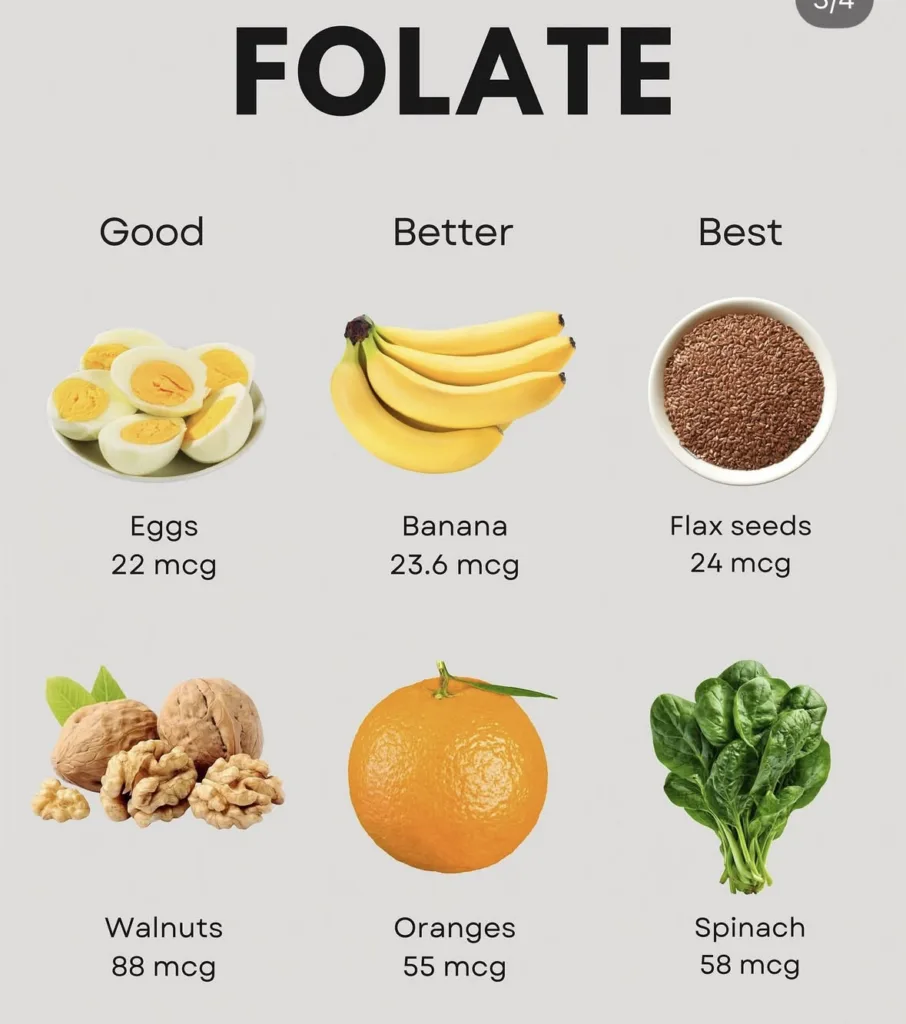
Folate Food Chart: Good to Best Sources
| Food (approx. serving) | Folate (mcg) | Calories | Protein (g) | Carbs (g) | Fat (g) | Fiber (g) | Main Nutrients | Best Benefit |
|---|---|---|---|---|---|---|---|---|
| Spinach (1 cup cooked) | 263 | 41 | 5.3 | 6.7 | 0.5 | 4.3 | Vitamin K, A, C, Iron | Bone & Eye Health |
| Lentils (1 cup cooked) | 358 | 230 | 18 | 40 | 0.8 | 15.6 | Iron, Manganese, B6 | Digestive Health |
| Asparagus (1 cup cooked) | 268 | 40 | 4.3 | 7.4 | 0.4 | 4 | Vitamin K, C, A | Anti-inflammatory |
| Broccoli (1 cup cooked) | 168 | 55 | 3.7 | 11.2 | 0.6 | 5.1 | Vitamin C, K, Fiber | Immune Support |
| Avocado (1/2 medium) | 81 | 160 | 2 | 8.5 | 14.7 | 6.7 | Healthy Fats, K, E | Heart Health |
| Oranges (1 medium) | 39 | 62 | 1.2 | 15.4 | 0.2 | 3.1 | Vitamin C | Immune & Skin |
| Eggs (2 large) | 44 | 140 | 12 | 1 | 10 | 0 | Protein, B12, D | Muscle & Brain |
| Flax Seeds (2 tbsp) | 54 | 110 | 3.8 | 6 | 8.6 | 5.6 | Omega-3s, Fiber | Heart & Digestion |
| Walnuts (1 oz / 1/4 cup) | 28 | 185 | 4.3 | 3.9 | 18.5 | 1.9 | Omega-3s, Antioxidants | Brain Health |
| Banana (1 medium) | 24 | 105 | 1.3 | 27 | 0.4 | 3.1 | Potassium, B6 | Energy & Electrolytes |
Best Ways to Incorporate Folate-Rich Foods
- Green Smoothies: Blend a handful of spinach or kale into your morning smoothie for an easy folate boost.
- Hearty Salads: Load up your salads with dark leafy greens like romaine, spinach, or mixed greens. Add some chickpeas or black beans for extra folate and fiber.
- Legumes in Meals: Add lentils, black beans, or kidney beans to soups, stews, chilis, or even tacos.
- Asparagus as a Side: Roast or steam asparagus for a delicious and nutrient-dense side dish.
- Avocado Power: Slice avocado onto toast, add it to salads, or make homemade guacamole.
- Snack on Citrus: Oranges and other citrus fruits make for refreshing, folate-containing snacks.
Potential Risks and Considerations
While folate from food sources is generally safe and highly beneficial, there are a few considerations:
- Folate Deficiency: Not getting enough folate can lead to megaloblastic anemia, causing fatigue, weakness, and shortness of breath. It’s particularly concerning for pregnant individuals due to the risk of neural tube defects.
- Folic Acid vs. Folate: Taking high doses of synthetic folic acid (from supplements) can potentially mask a vitamin B12 deficiency. This is less of a concern with natural folate from foods. Always consult a healthcare professional before starting any new supplements.
- Cooking and Folate: Folate is water-soluble and heat-sensitive. Overcooking vegetables or boiling them in large amounts of water can reduce their folate content. Steaming, roasting, or quick stir-frying can help preserve this delicate nutrient.
Practical Tips for Boosting Your Folate Intake
- Go Green Daily: Aim to include at least one serving of dark leafy greens in your meals every day.
- Embrace Legumes: Make beans and lentils a regular part of your diet. They’re versatile and affordable.
- Don’t Overcook: Cook vegetables gently to retain their nutrient content. Light steaming or quick sautéing is best.
- Vary Your Veggies: Explore a variety of colorful vegetables to ensure a broad spectrum of nutrients, including folate.
- Fortified Foods (Optional): If you struggle to meet your needs through whole foods, some cereals and grain products are fortified with folic acid, but prioritize natural food sources first.
FAQs About Folate
Q: What is the difference between folate and folic acid?
A: Folate is the naturally occurring form of vitamin B9 found in foods, while folic acid is the synthetic form used in supplements and fortified foods.
Q: Who needs more folate?
A: Pregnant or breastfeeding individuals, women of childbearing age, and those with certain medical conditions or taking specific medications may need more folate. Always consult a doctor for personalized advice.
Q: Can you get too much folate from food?
A: It’s very difficult to consume excessive amounts of folate from food sources alone. High intake from synthetic folic acid supplements can potentially mask a vitamin B12 deficiency.
Q: What are the symptoms of folate deficiency?
A: Symptoms can include fatigue, weakness, pale skin, shortness of breath, irritability, and a sore tongue.
Q: How much folate do adults need daily?
A: The recommended daily allowance for adults is typically 400 micrograms (mcg) of dietary folate equivalents (DFEs).
Q: Does cooking destroy folate?
A: Yes, folate is sensitive to heat and water. Cooking methods like prolonged boiling can reduce its content. Steaming or raw consumption helps preserve it.
Q: Are all B vitamins related to folate?
A: Folate is one of the eight B vitamins, which all play crucial roles in metabolism and energy production. They often work together.
Conclusion
Folate is an indispensable nutrient that supports a wide range of vital functions in your body, from healthy cell division to maintaining a healthy heart and mind. By incorporating a variety of folate-rich foods like leafy greens, legumes, and certain fruits into your daily diet, you can easily ensure you’re getting enough of this powerful B vitamin.
Making conscious choices to fill your plate with these nourishing foods is a simple yet effective way to empower your health and feel your best. So go ahead, unlock your folate power and enjoy the benefits of a well-nourished body!
This content is for educational purposes only and should not be considered medical advice. Consult a qualified healthcare professional for personalized dietary recommendations.