Are you looking for simple ways to enhance your daily nutrition and support your body’s vital functions? Look no further than your plate! Vitamin K, an often-overlooked nutrient, plays a crucial role in maintaining strong bones and ensuring proper blood clotting. Incorporating vitamin K-rich foods into your diet is an easy and effective step towards better health.
In this article, we’ll explore the power of three amazing green vegetables – broccoli, cooked spinach, and parsley – and how they can significantly boost your vitamin K intake. You’ll learn about their unique nutritional benefits, discover delicious ways to enjoy them, and get practical tips for making them a regular part of your healthy lifestyle. Get ready to supercharge your health with these vibrant greens!
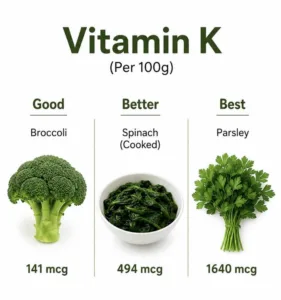
The Amazing Benefits of Vitamin K
Vitamin K is a fat-soluble vitamin essential for several critical bodily processes. While it might not always get as much attention as Vitamin C or D, its functions are incredibly important for your overall well-being.
Bone Health
One of Vitamin K’s most significant roles is in bone metabolism. It helps activate proteins, like osteocalcin, which are necessary for incorporating calcium into your bones. Research suggests adequate vitamin K intake is associated with stronger bones and a reduced risk of fractures, especially in older adults.
Blood Clotting
Perhaps Vitamin K’s most well-known function is its role in blood coagulation. It’s vital for producing several proteins that allow blood to clot properly, preventing excessive bleeding. Without enough vitamin K, your body would struggle to stop bleeding from cuts or injuries.
Heart Health
Emerging research also points to a potential role for Vitamin K in heart health. It may help prevent the calcification of arteries, which can contribute to heart disease. By supporting arterial elasticity, vitamin K can contribute to a healthier cardiovascular system.
Top Vitamin K Foods: Broccoli, Cooked Spinach, and Parsley
These three green powerhouses are excellent sources of Vitamin K, making them easy and delicious additions to your diet. Let’s take a closer look at their nutritional profiles.

Broccoli
- Nutritional Powerhouse: Broccoli is a fantastic source of Vitamin K, along with Vitamin C, fiber, and various antioxidants.
- Health Benefits: Beyond Vitamin K, broccoli supports immune function, aids digestion, and may offer anti-inflammatory benefits.
- How to Enjoy: Steamed, roasted, stir-fried, or added to salads and soups.
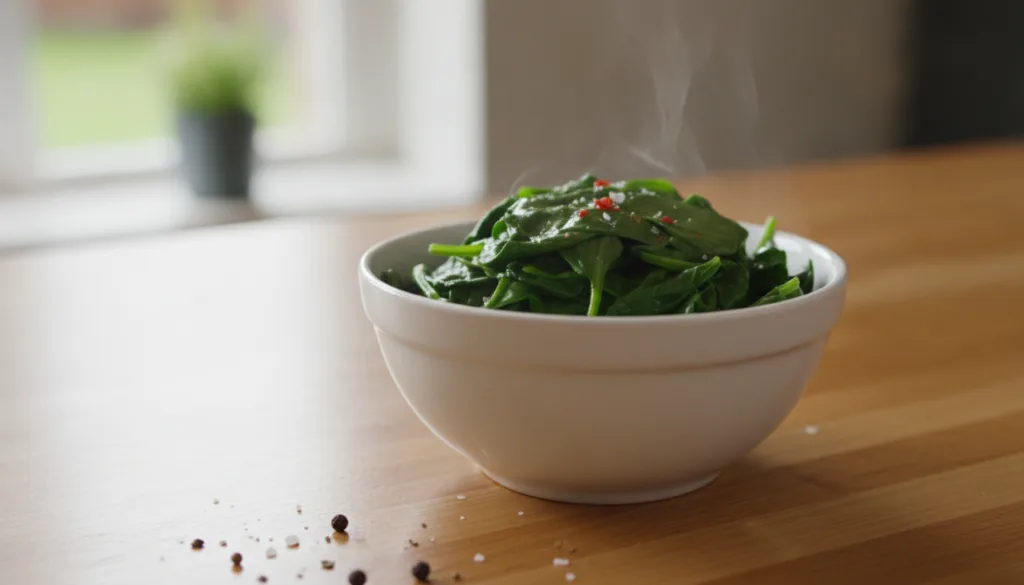
Cooked Spinach
- Concentrated Nutrients: When spinach is cooked, its volume reduces, making the nutrients, including Vitamin K, even more concentrated per serving. It’s one of the richest sources of Vitamin K.
- Health Benefits: Rich in iron, magnesium, and Vitamin A, spinach supports energy production, muscle function, and vision.
- How to Enjoy: Sautéed with garlic, added to omelets, smoothies, pasta dishes, or blended into sauces.
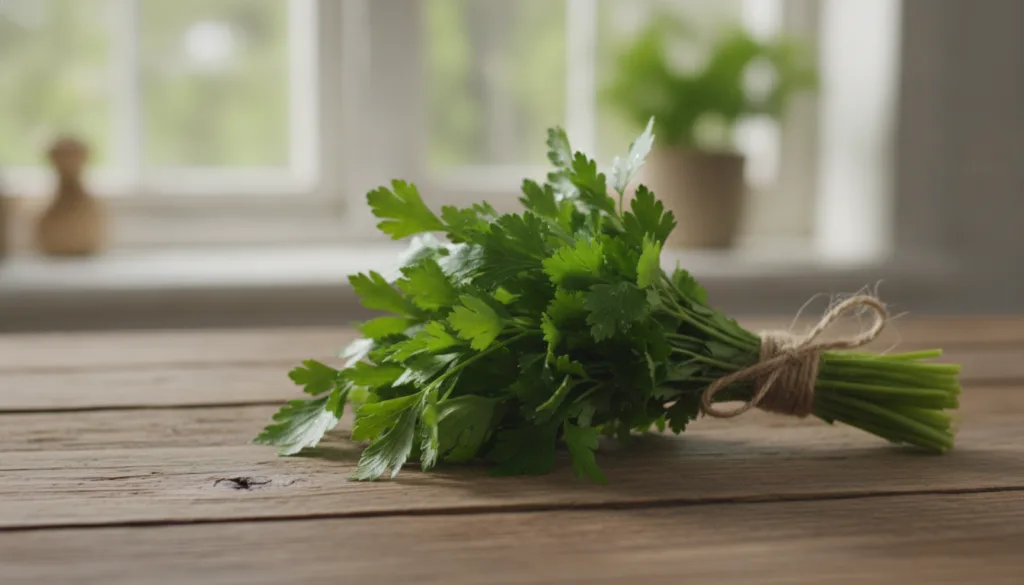
Parsley
- Potent Herb: Often used as a garnish, parsley is a surprisingly potent source of Vitamin K, even in small amounts.
- Health Benefits: It also provides Vitamin C, Vitamin A, and antioxidants, contributing to immune health and fresh breath.
- How to Enjoy: Chopped and sprinkled over meals, mixed into salads like tabbouleh, added to dressings, or blended into green juices.
Vitamin K Content Comparison
Here’s a look at the approximate Vitamin K content and other key nutrients in a common serving of these greens:
| Food | Serving Size | Calories | Protein (g) | Carbs (g) | Fat (g) | Fiber (g) | Key Nutrient (Vitamin K, mcg) |
|---|---|---|---|---|---|---|---|
| Broccoli | 1 cup chopped (~90g) | 30 | 2.5 | 6 | 0.3 | 2.5 | 92 |
| Cooked Spinach | 1/2 cup (~90g) | 25 | 3 | 4 | 0.3 | 2 | 444 |
| Fresh Parsley | 1/4 cup chopped (~15g) | 5 | 0.4 | 1 | 0.1 | 0.5 | 246 |
Note: Nutritional values are approximate and can vary.
Scientific Explanation: How Vitamin K Works
Vitamin K functions as a coenzyme, meaning it helps enzymes in your body perform their tasks. Specifically, it’s crucial for the “carboxylation” of certain proteins. This process adds a carboxyl group to amino acids, allowing these proteins to become biologically active.
- For Blood Clotting: Vitamin K is vital for the activation of clotting factors II, VII, IX, and X, as well as proteins C and S, all of which are produced in the liver and play direct roles in blood coagulation.
- For Bone Health: In bones, Vitamin K activates osteocalcin, a protein that binds calcium to the bone matrix, helping to strengthen skeletal structure.
Practical Tips for Boosting Your Vitamin K Intake
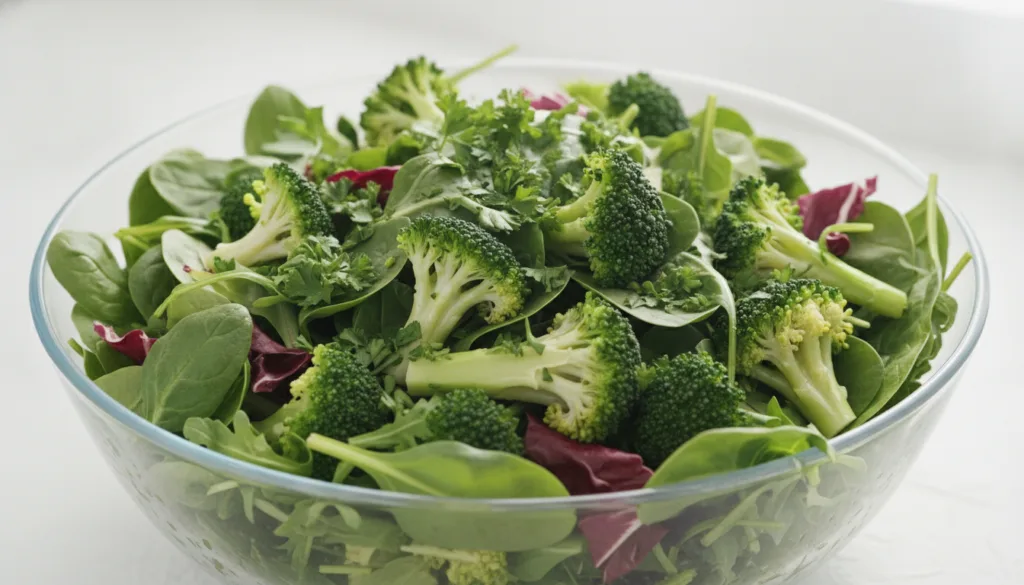
- Add Greens to Every Meal: Try adding a handful of spinach to your morning scramble or smoothie. Sprinkle fresh parsley over your lunch or dinner. Toss broccoli into stir-fries or roasted vegetable medleys.
- Smart Cooking Methods: Since Vitamin K is fat-soluble, consuming these greens with a small amount of healthy fat (like olive oil or avocado) can enhance its absorption.
- Experiment with Recipes: Don’t be afraid to try new recipes. Pesto (made with parsley or spinach), green smoothies, and hearty vegetable soups are delicious ways to get more greens.
- Batch Prep: Wash and chop your greens at the beginning of the week to make them easily accessible for quick meals.
Potential Risks and Considerations
While Vitamin K is vital, there are a few considerations:
- Blood Thinners: Individuals taking anticoagulant medications, such as warfarin (Coumadin), need to maintain a consistent intake of Vitamin K. Significant fluctuations can interfere with the medication’s effectiveness. Always consult your doctor or a registered dietitian for personalized advice regarding Vitamin K intake if you are on blood thinners.
- Rare Deficiency: Vitamin K deficiency is rare in healthy adults but can occur in individuals with certain malabsorption disorders or those taking medications that interfere with its absorption.
FAQs About Vitamin K and Green Vegetables
Q: Can I get too much Vitamin K from food?
A: It’s extremely rare to consume too much Vitamin K from dietary sources alone. The body typically excretes any excess. Concerns about high intake usually only arise for those on specific medications.
Q: Is there a difference between Vitamin K1 and K2?
A: Yes. Vitamin K1 (phylloquinone) is found primarily in green leafy vegetables and is crucial for blood clotting. Vitamin K2 (menaquinone) is found in animal products and fermented foods, and is more active in bone and cardiovascular health. This article focuses on K1 sources.
Q: Does cooking reduce Vitamin K content in vegetables?
A: Mild cooking, like steaming or light sautéing, generally doesn’t significantly reduce Vitamin K. In fact, for some vegetables like spinach, cooking can reduce volume, making the Vitamin K more concentrated per serving. However, excessive boiling might lead to some loss into the cooking water.
Q: What are other good sources of Vitamin K besides these greens?
A: Other excellent sources include kale, collard greens, Swiss chard, mustard greens, Brussels sprouts, and cabbage.
Q: How can I ensure my family gets enough Vitamin K?
A: Offer a variety of green vegetables regularly. Hide spinach in smoothies, make broccoli a regular side dish, and use parsley to brighten up meals. Making healthy eating fun and accessible is key.
Q: Should I take a Vitamin K supplement?
A: Most healthy individuals can get sufficient Vitamin K through a balanced diet rich in green leafy vegetables. Supplements are generally only recommended for specific medical conditions or deficiencies, and should always be taken under the guidance of a healthcare professional.
Conclusion
Embracing Vitamin K-rich foods like broccoli, cooked spinach, and parsley is a simple yet powerful way to support your bone health, ensure proper blood clotting, and contribute to overall wellness. These vibrant greens are versatile, delicious, and easy to incorporate into your daily meals.
By making conscious choices to include more of these nutritional powerhouses, you’re not just eating greens; you’re investing in a healthier, more vibrant you. So, next time you’re at the grocery store, be sure to fill your cart with these essential greens!
This content is for educational purposes only and should not be considered medical advice. Consult a qualified healthcare professional for personalized dietary recommendations.