Are you looking for natural ways to feel more energetic and support your overall health? Vitamin D, often called the “sunshine vitamin,” plays a crucial role in many bodily functions. While sunshine is a primary source, incorporating Vitamin D-rich foods into your diet is an excellent way to ensure you’re getting enough of this essential nutrient.
In this article, we’ll explore why Vitamin D is so vital, introduce you to the best natural food sources, and offer practical tips to boost your intake. Get ready to nourish your body and shine from the inside out!
Why Vitamin D Matters for Your Health
Vitamin D is more than just a vitamin; it acts like a hormone in your body. It’s essential for countless processes, contributing significantly to your overall well-being.
- Bone Health: Vitamin D is critical for calcium absorption and bone mineralization, helping to maintain strong bones and prevent conditions like osteoporosis.
- Immune System Support: Research suggests that adequate Vitamin D levels can support a healthy immune system, helping your body ward off infections.
- Mood Regulation: Some studies associate Vitamin D with mood regulation and suggest it may play a role in preventing seasonal affective disorder (SAD) and general mood support.
- Muscle Function: It contributes to muscle strength and function, which is important for preventing falls, especially in older adults.
- Overall Well-being: From cell growth to reducing inflammation, Vitamin D’s influence extends throughout the body, supporting a healthy lifestyle.
Top Natural Food Sources of Vitamin D
While sunlight is a major contributor, certain foods are excellent sources of Vitamin D, helping you meet your daily needs, especially when sun exposure is limited.
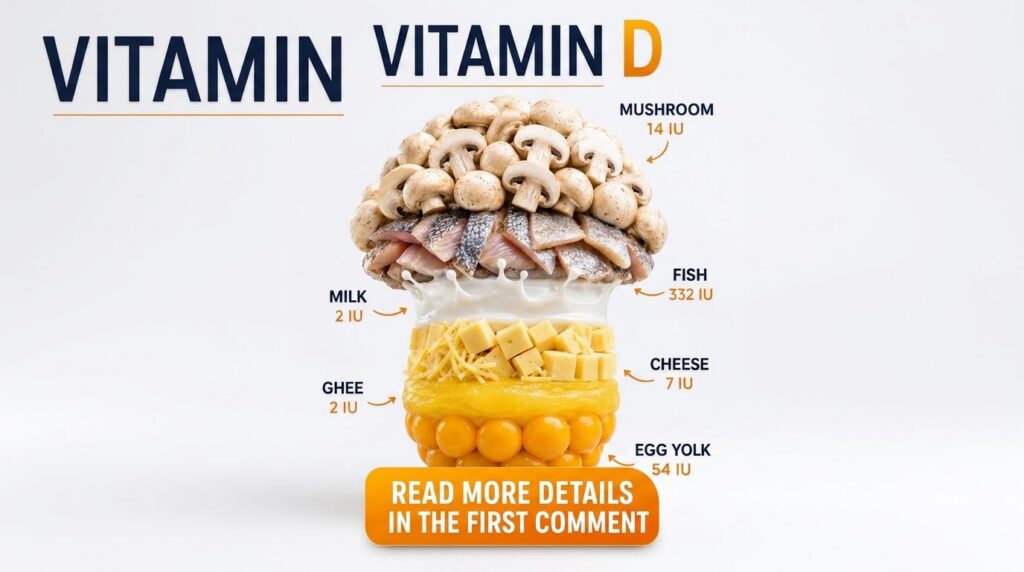
Fatty Fish
Fatty fish like salmon, tuna, mackerel, and sardines are among the best natural food sources of Vitamin D. A small serving can provide a significant portion of your daily recommended intake.
- Wild Salmon: Known for its high content.
- Sardines: A small but mighty source, often affordable and easy to incorporate.
- Tuna: Canned tuna can also be a good option, though fresh is often higher.
Mushrooms
Certain mushrooms, especially those exposed to UV light, can produce Vitamin D2. Look for “UV-treated” or “Vitamin D-enhanced” mushrooms at your grocery store. Some wild mushrooms also contain good amounts.
Egg Yolks
Eggs, particularly the yolks, contain a small amount of Vitamin D. The Vitamin D content can vary depending on the chicken’s diet and sun exposure, with pasture-raised hens often producing eggs with higher levels.
Fortified Foods
Many common foods are fortified with Vitamin D to help people reach their daily requirements. These include:
- Milk and Plant-Based Milks: Most cow’s milk and many plant-based alternatives (soy, almond, oat milk) are fortified.
- Cereals: Some breakfast cereals are fortified, making them a convenient option.
- Orange Juice: Certain brands of orange juice also come fortified with Vitamin D.
- Yogurt: Many yogurt varieties have added Vitamin D.
Beyond Food: The Sunshine Vitamin
Our bodies naturally produce Vitamin D when our skin is exposed to sunlight, specifically UVB rays. This is why it’s called the