Iron is a vital mineral that plays a crucial role in countless bodily functions, from transporting oxygen to every cell in your body to supporting your immune system and boosting energy levels. Feeling tired, sluggish, or struggling with focus? Low iron levels might be a contributing factor.
This article will dive into the world of iron-rich foods, helping you identify which ingredients pack the most nutritional punch. We’ll explore a variety of options, from plant-based powerhouses to lean meats, and provide practical tips to help you maximize your iron intake. Get ready to boost your energy, support your overall health, and unlock your full iron potential!
Your Essential Iron Food Chart
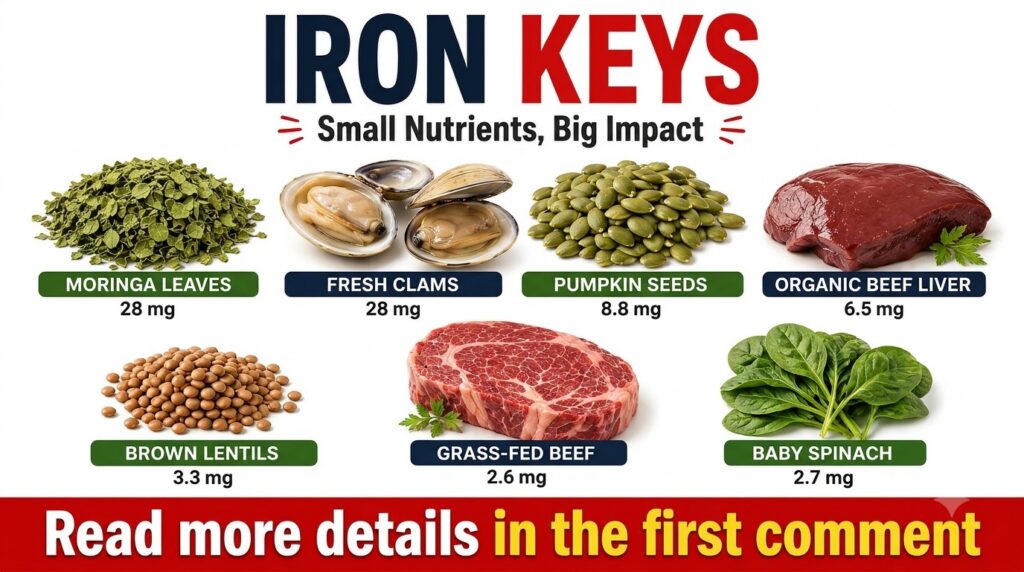
Here’s a look at some of the best foods to help you meet your daily iron needs. These approximate values can vary based on preparation and specific varieties.
| Food (Approx. Serving) | Calories | Protein (g) | Carbs (g) | Fat (g) | Fiber (g) | Main Nutrients | Best Benefit |
|---|---|---|---|---|---|---|---|
| Beef Liver (3 oz cooked) | 160 | 25 | 4 | 6 | 0 | Iron (heme), Vit A, B12, Folate | Highly bioavailable heme iron, nutrient powerhouse |
| Clams (3 oz cooked) | 125 | 22 | 4 | 2 | 0 | Iron (heme), Vit B12, Selenium | Excellent source of heme iron and B12 |
| Grass-Fed Beef (3 oz cooked) | 180 | 25 | 0 | 8 | 0 | Iron (heme), Zinc, Vit B12 | Quality heme iron, complete protein |
| Lentils (1 cup cooked) | 230 | 18 | 40 | 0.5 | 16 | Iron (non-heme), Folate, Fiber | Plant-based iron, digestive health |
| Spinach (1 cup cooked) | 40 | 5 | 7 | 0.5 | 4 | Iron (non-heme), Vit K, Vit A, Folate | Vitamin-rich, antioxidant support |
| Pumpkin Seeds (1/4 cup) | 180 | 10 | 5 | 15 | 2 | Iron (non-heme), Magnesium, Zinc | Mineral-rich, healthy fats |
| Moringa Leaves (1 cup fresh) | 13 | 2 | 2 | 0.1 | 0.4 | Iron (non-heme), Vit C, Vit A, Calcium | Nutrient-dense superfood, antioxidants |
| Quinoa (1 cup cooked) | 222 | 8 | 39 | 3.5 | 5 | Iron (non-heme), Protein, Fiber | Complete plant protein, gluten-free |
| Dark Chocolate (1 oz, 70-85% cocoa) | 170 | 2 | 13 | 12 | 3 | Iron (non-heme), Magnesium, Antioxidants | Delightful source of iron and antioxidants |
| Fortified Cereal (1 serving) | 120 | 3 | 25 | 1 | 3 | Iron (non-heme), Folic Acid, B Vitamins | Easy breakfast option with added nutrients |
Understanding Iron: Heme vs. Non-Heme
Iron comes in two main forms in food: heme iron and non-heme iron. Understanding the difference can help you optimize your intake.
- Heme Iron: Found in animal products like meat, poultry, and seafood. This type is highly bioavailable, meaning your body absorbs it easily.
- Non-Heme Iron: Found in plant-based foods such as leafy greens, legumes, nuts, and fortified cereals. While still important, non-heme iron is not absorbed as efficiently as heme iron. However, you can significantly improve its absorption by pairing it with vitamin C-rich foods.
Practical Ways to Boost Your Iron Intake
Smart Serving Suggestions
- Meat & Poultry: Add lean beef, chicken, or turkey to stews, stir-fries, or salads. Liver can be incorporated into pâtés or finely chopped and mixed into ground meat dishes.
- Seafood: Enjoy clams in pasta dishes, soups, or steamed with garlic and herbs.
- Legumes: Lentils are incredibly versatile. Use them in soups, curries, salads, or as a meat substitute in tacos and sloppy joes.
- Leafy Greens: Sauté spinach with garlic as a side, blend it into smoothies, or add a handful to eggs, omelets, and casseroles.
- Seeds & Nuts: Sprinkle pumpkin seeds on yogurt, oatmeal, salads, or use them in homemade granola.
- Grains: Choose quinoa as a side dish instead of rice, or use it as a base for grain bowls. Opt for iron-fortified cereals for breakfast.
- Dark Chocolate: Enjoy a small square of dark chocolate as a healthy dessert or snack.
Who Should Focus on More Iron?
While everyone needs iron, certain groups have higher requirements or are at greater risk of deficiency:
- Women of Childbearing Age: Due to menstrual blood loss.
- Pregnant Women: To support the growing baby and increased blood volume.
- Infants and Young Children: Especially during rapid growth phases.
- Vegetarians and Vegans: As their diet relies solely on non-heme iron sources.
- Frequent Blood Donors: To replenish iron stores.
- Individuals with Certain Medical Conditions: Such as celiac disease or inflammatory bowel disease, which can impair nutrient absorption.
Tips for Maximizing Iron Absorption
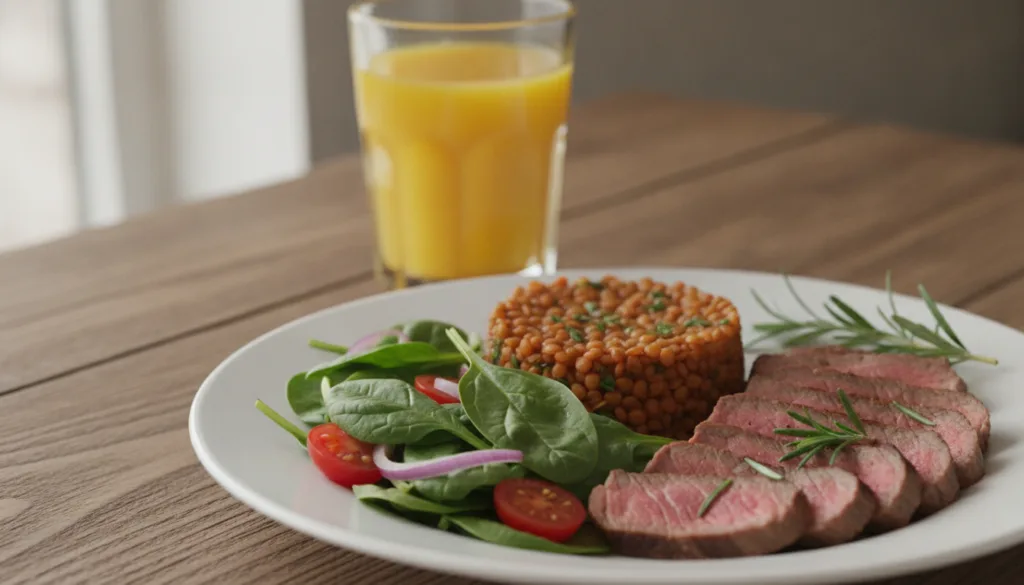
- Pair with Vitamin C: Always try to eat non-heme iron sources with foods rich in Vitamin C. Think spinach with bell peppers, lentils with tomatoes, or fortified cereal with a glass of orange juice.
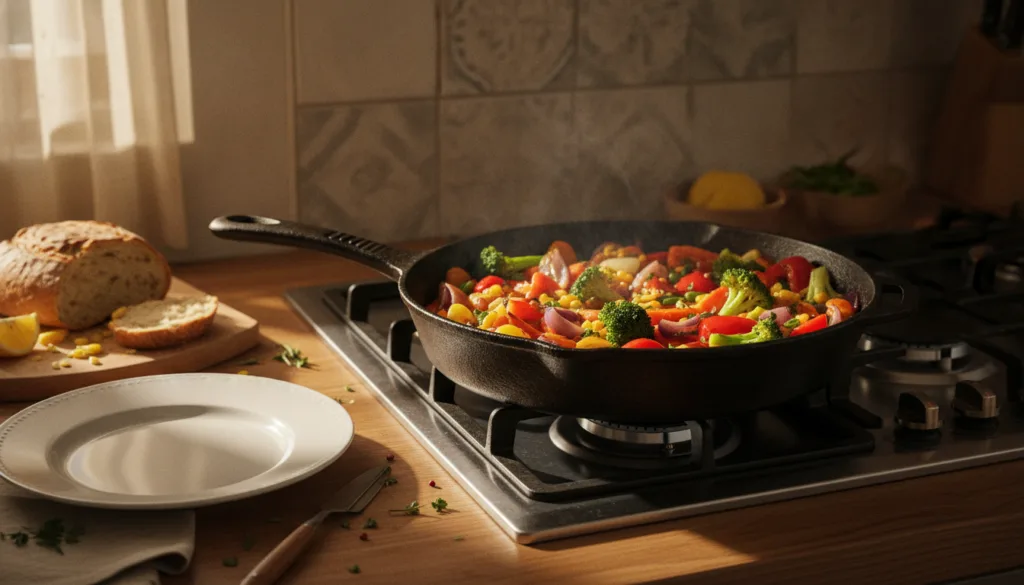
- Cook in Cast Iron: Cooking in cast iron skillets can leach a small amount of iron into your food, subtly boosting your intake.
- Avoid Iron Inhibitors: Certain compounds can hinder iron absorption. Try to consume coffee, tea, and calcium-rich foods (like dairy) separately from your main iron-rich meals, or at least an hour or two apart. Phytates (found in whole grains and legumes) and oxalates (in some greens) can also affect absorption, but soaking, sprouting, and cooking can reduce their impact.
- Prioritize Heme Iron: If you consume animal products, include sources of heme iron regularly as it’s more readily absorbed.
Frequently Asked Questions About Iron
Q: How much iron do I need daily?
A: Daily iron needs vary by age, gender, and life stage. For adult men, it’s typically 8 mg per day. For adult women of childbearing age, it’s 18 mg per day, increasing to 27 mg during pregnancy. Consult a healthcare professional for personalized recommendations.
Q: Can I get too much iron?
A: Yes, excessive iron intake can be harmful, leading to iron overload (hemochromatosis). This usually happens from supplements rather than food. Symptoms include fatigue, joint pain, and organ damage. Always consult a doctor before taking iron supplements.
Q: Are plant-based iron sources as good as meat sources?
A: Plant-based (non-heme) iron is less bioavailable than heme iron from animal sources. However, you can significantly improve non-heme iron absorption by consuming it with Vitamin C and by being mindful of absorption inhibitors.
Q: What are the signs of iron deficiency?
A: Common signs include fatigue, weakness, pale skin, shortness of breath, dizziness, cold hands and feet, brittle nails, and unusual cravings for non-food items (pica). If you suspect a deficiency, see a doctor for testing.
Q: Does cooking reduce the iron content in food?
A: While some nutrients can be lost during cooking, iron is relatively stable. However, overcooking or boiling foods in large amounts of water can leach out some minerals. Steaming, stir-frying, and roasting are good methods to preserve nutrients.
Q: Can vegetarians and vegans meet their iron needs?
A: Absolutely! With careful meal planning and by focusing on iron-rich plant foods paired with Vitamin C, vegetarians and vegans can meet their iron requirements. It may require more attention to diet, but it is entirely achievable.
Conclusion
Incorporating a variety of iron-rich foods into your diet is a straightforward and delicious way to support your energy levels, cognitive function, and overall health. Whether you prefer lean meats, vibrant leafy greens, hearty legumes, or even a square of dark chocolate, there are plenty of options to help you unlock your iron potential. Remember to pair non-heme iron with Vitamin C for optimal absorption, and consider cooking in a cast iron skillet for an added boost.
Start experimenting with these foods today and feel the difference! For more healthy eating tips and recipe ideas, explore other articles on our website.
This content is for educational purposes only and should not be considered medical advice. Consult a qualified healthcare professional for personalized dietary recommendations.