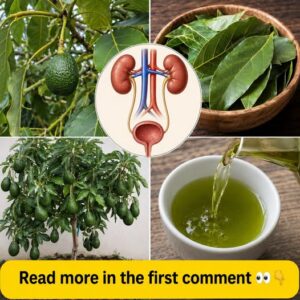
Most people focus on the creamy, nutritious fruit of the avocado. But what if we told you that some of nature’s most intriguing properties lie hidden in the leaves? Long revered in traditional practices, avocado leaves are gaining attention for their potential role in supporting overall well-being, particularly kidney health. This isn’t just an old wives’ tale; it’s a remedy rooted in generations of use, and understanding how to prepare it correctly can unlock its unique benefits.
One small preparation mistake, like boiling too vigorously or using the wrong type of leaves, can dramatically alter the efficacy of this natural remedy. Let’s dive into the practical steps to harness the power of avocado leaves for kidney wellness.
What It Is: The Avocado Leaf Remedy
The avocado leaf remedy typically involves creating a tea or decoction from dried or fresh avocado leaves. This preparation is a time-honored tradition in various cultures, where it’s valued for its diuretic properties and potential to support the kidneys’ natural functions. It’s a simple, accessible way to incorporate a centuries-old wellness practice into your routine.
Ingredients You’ll Need
The beauty of this remedy lies in its simplicity. You only need a few key items:
- Avocado leaves (fresh or dried)
- Clean water (filtered is best)
- A pot or saucepan
- A strainer
- A mug or heat-resistant glass
Approximate Measurements
Precision isn’t always essential in herbal preparations, but consistency helps. Here are general guidelines:
- For Tea: 3-5 fresh leaves (medium size) OR 1-2 tablespoons of dried, crumbled leaves per 2 cups (500ml) of water.
- For a Stronger Decoction: 6-8 fresh leaves OR 3-4 tablespoons of dried leaves per 3 cups (750ml) of water.
Formula / Recipe: Avocado Leaf Decoction
This method focuses on creating a potent decoction, which involves simmering the leaves to extract their beneficial compounds more thoroughly than a simple infusion (tea).
Best Use by Preparation Type
| Preparation Type | Leaf Condition | Primary Use | Extraction Level |
|---|---|---|---|
| Tea (Infusion) | Fresh or Dried | Gentle daily support | Moderate |
| Decoction | Fresh or Dried | Stronger, targeted remedy | High |
Step-by-Step Method
- Gather Your Leaves: If using fresh leaves, wash them thoroughly under cool running water to remove any dirt or residues. If using dried leaves, ensure they are clean and free from mold.
- Prepare the Leaves: For fresh leaves, you can tear them into smaller pieces to increase their surface area. Dried leaves can be used whole or slightly crushed.
- Combine with Water: Place the prepared leaves in your pot. Add the appropriate amount of clean water.
- Bring to a Simmer: Heat the pot over medium-high heat until the water just begins to simmer (small bubbles forming). Do not bring to a rolling boil immediately.
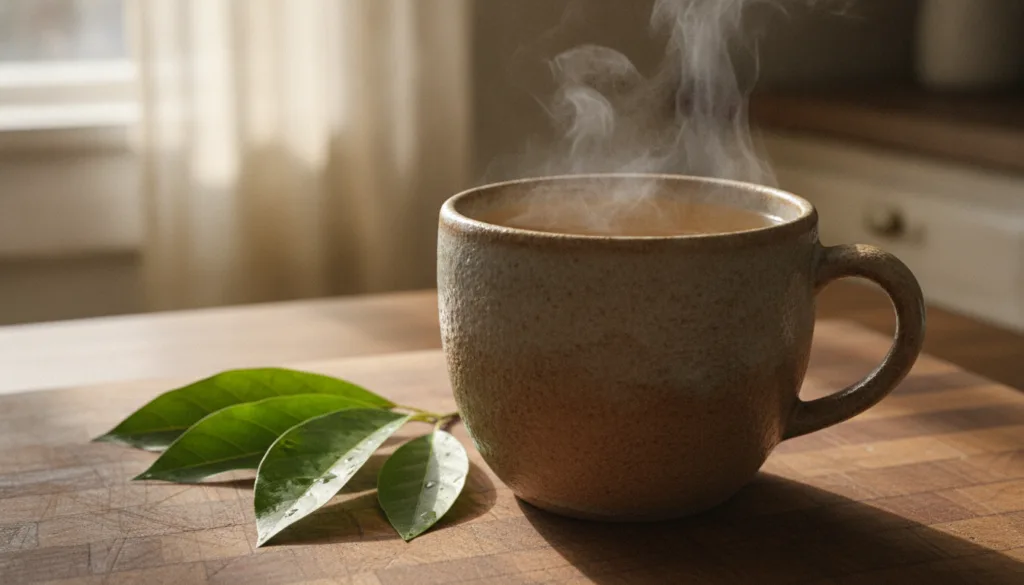
- Simmer Gently: Once simmering, reduce the heat to low, cover the pot, and let it simmer gently for 15-20 minutes. The water should change color, becoming a pale amber or greenish-brown.
- Cool and Strain: Remove the pot from the heat and let it cool down to a drinkable temperature. This allows further extraction as the mixture cools. Once cool enough, strain the liquid into a mug, discarding the used leaves.
Quick Tip: For an enhanced flavor, some people add a small piece of fresh ginger or a squeeze of lemon after straining, but it’s optional and not part of the traditional preparation for kidney support.
How to Use Your Avocado Leaf Remedy
This decoction is typically consumed as a warm or room-temperature beverage. Drink it slowly, savoring the subtle, earthy flavor. It’s not meant to be a quick gulp but a moment of mindful wellness.
How Often to Use It
For general kidney support and as a diuretic, many traditional practices suggest consuming 1-2 cups of the decoction per day. It’s often recommended to take it in the morning or early afternoon to avoid disrupting sleep due to its diuretic effects. Listen to your body and adjust as needed.
How to Buy / How to Choose Ingredients
-
Fresh Leaves: If you have access to an avocado tree (ensure it hasn’t been sprayed with pesticides!), you can harvest your own. Look for healthy, mature, deep green leaves without blemishes or signs of disease. Avoid young, tender leaves or very old, yellowing ones.
-
Dried Leaves: You can find dried avocado leaves at specialty herbal stores, online retailers, or sometimes in Latin American markets. Ensure they are organically sourced, free from additives, and stored in airtight containers to maintain freshness. The leaves should still have a noticeable, mild aroma.
Storage
-
Fresh Leaves: Store fresh leaves in a paper bag in the refrigerator for up to a week. For longer storage, you can air-dry them completely and then store them in an airtight container.
-
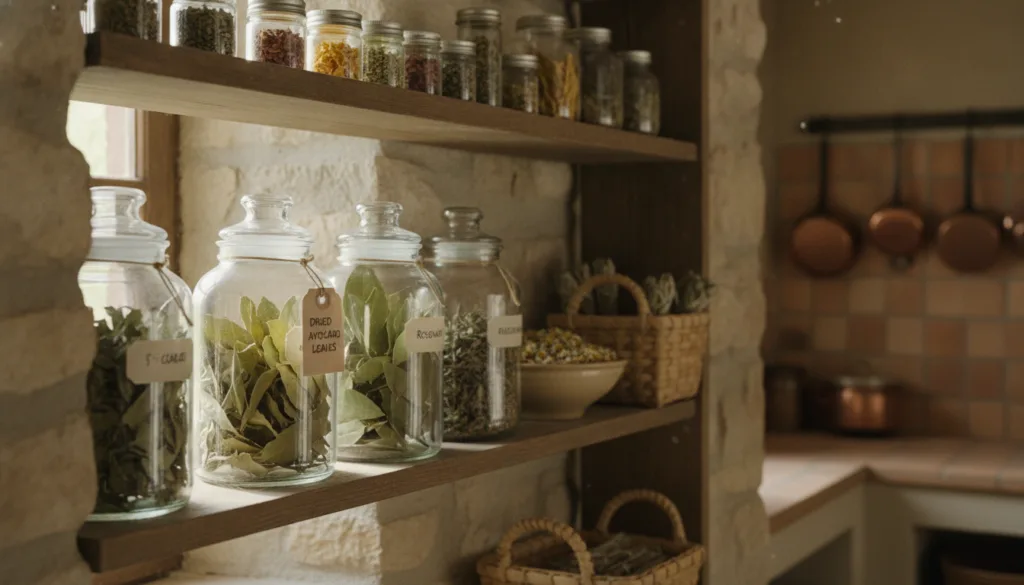
Dried Leaves: Keep dried avocado leaves in a cool, dark, and dry place in an airtight container (glass jars are ideal) for up to 6-12 months. Sunlight and moisture are the enemies of potency.
-
Prepared Decoction: The prepared decoction can be stored in the refrigerator for up to 24-48 hours. It’s generally best to make a fresh batch daily for optimal potency and flavor.
Practical Tips
- Start Small: If you’re new to avocado leaf remedies, begin with a smaller quantity (e.g., 1-2 leaves per cup) to see how your body responds.
- Consistency is Key: For potential benefits, regular, consistent use over a period is often more effective than sporadic large doses.
- Hydration: Due to its diuretic nature, ensure you maintain adequate hydration by drinking plenty of plain water throughout the day.
Common Mistakes to Avoid
- Using Sprayed Leaves: Never use leaves from trees that have been treated with pesticides or herbicides. This can introduce harmful chemicals into your remedy.
- Boiling Vigorously: A hard boil can degrade some delicate compounds. A gentle simmer is crucial for proper extraction.
- Ignoring Leaf Quality: Yellowed, wilted, or moldy leaves will not provide the desired benefits and could potentially be harmful.
- Overusing: While generally considered safe in moderate amounts, excessive consumption can lead to imbalances, especially given its diuretic effects.
- Skipping Washing: Always wash fresh leaves, even if they appear clean, to remove dust, insects, or environmental pollutants.
Cautions / Who Should Avoid It
While generally safe for most healthy adults, certain individuals should exercise caution or avoid avocado leaf remedies:
- Pregnant or Breastfeeding Women: Consult a healthcare provider before use.
- Individuals on Diuretics or Blood Thinners: Avocado leaves may have diuretic and anti-coagulant properties that could interact with medications.
- Those with Kidney Conditions: If you have pre-existing kidney disease or other medical conditions, always consult with your doctor before trying any new herbal remedy.
- Allergies: If you have an allergy to avocados, you may also be sensitive to the leaves.
Did You Know? The scientific name for avocado is Persea americana. While the fruit is widely popular, different parts of the plant, including the leaves and seeds, have been studied for various traditional uses beyond just kidney support.
Quick Summary: Your Avocado Leaf Guide
- Best Preparation: Gentle decoction (simmered tea).
- Best Use-Case: General kidney support and natural diuretic.
- Storage: Dried leaves in airtight containers (cool, dark, dry); decoction refrigerated for 24-48 hours.
- When to Use: 1-2 cups daily, preferably morning/early afternoon.
- What to Avoid: Sprayed leaves, vigorous boiling, overconsumption, poor quality leaves.
FAQ
Q1: Can I use fresh or dried avocado leaves?
Both fresh and dried leaves can be used. Dried leaves are often considered more concentrated, so you’ll use less. Fresh leaves may have a slightly different flavor profile.
Q2: How long does the avocado leaf decoction last?
The prepared decoction is best consumed fresh but can be stored in the refrigerator for up to 24-48 hours. After that, its potency and freshness may diminish.
Q3: Can I refrigerate the leaves?
Fresh leaves can be refrigerated in a paper bag for about a week. Dried leaves should be stored in a cool, dark pantry, not the refrigerator, to prevent moisture absorption.
Q4: How often should I use it for kidney support?
Many traditional users consume 1-2 cups daily for consistent support, but it’s wise to take breaks and monitor your body’s response.
Q5: What part of the avocado tree is best for leaves?
Mature, healthy leaves from established branches are generally preferred. Avoid very young or diseased leaves.
Q6: Can I reuse the leaves for another batch?
It’s not recommended. The beneficial compounds are largely extracted during the first simmer, leaving significantly less potency for a second use.
Q7: When should I avoid avocado leaf tea?
Avoid if pregnant, breastfeeding, on specific medications (diuretics, blood thinners), or if you have pre-existing kidney conditions without consulting a doctor.
Conclusion
The avocado leaf remedy is a testament to the enduring wisdom of traditional herbal practices. By understanding its simple preparation and use, you can thoughtfully integrate this natural approach into your wellness journey for kidney support. Remember, nature offers profound remedies, often in the most unexpected places—sometimes, right in the leaves we once overlooked.
You may also like: The Power of Nettle Tea for Detoxification
Read more: DIY Dandelion Root Coffee for Liver Health