Do you ever wonder how often you should clean or change everyday items around your home? It’s a question many of us ponder, and the answer plays a surprisingly big role in our overall well-being. Keeping your living space fresh and tidy isn’t just about aesthetics; it’s a key ingredient for a healthy lifestyle, helping to reduce allergens, bacteria, and dust that can impact your health.
Today, we’re diving into some simple yet powerful hygiene habits that can make a huge difference in your home and your health. Let’s explore how often some common household items need a little refresh!
The Kitchen Sponge: A Hidden Hotspot
Your kitchen sponge is a workhorse, tackling everything from food spills to dishwashing. But with all that hard work, it can quickly become a breeding ground for bacteria if not properly cared for. Regularly cleaning and replacing your sponge is crucial for maintaining a hygienic kitchen.
How Often to Clean & Replace:
- Daily Rinse: After each use, rinse your sponge thoroughly with hot water and wring it dry.
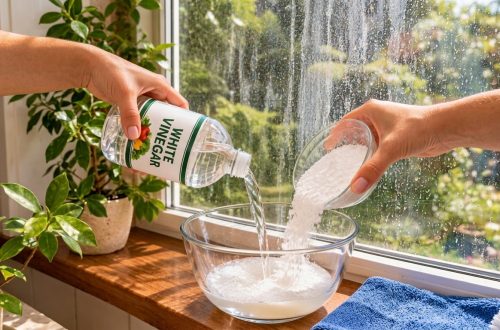
- Weekly Deep Clean: Sanitize your sponge weekly. You can do this by soaking it in a solution of 1/4 cup white vinegar and 2 cups hot water for 5-10 minutes, or by microwaving a damp sponge for 1-2 minutes (ensure it’s fully wet to prevent fire hazards).
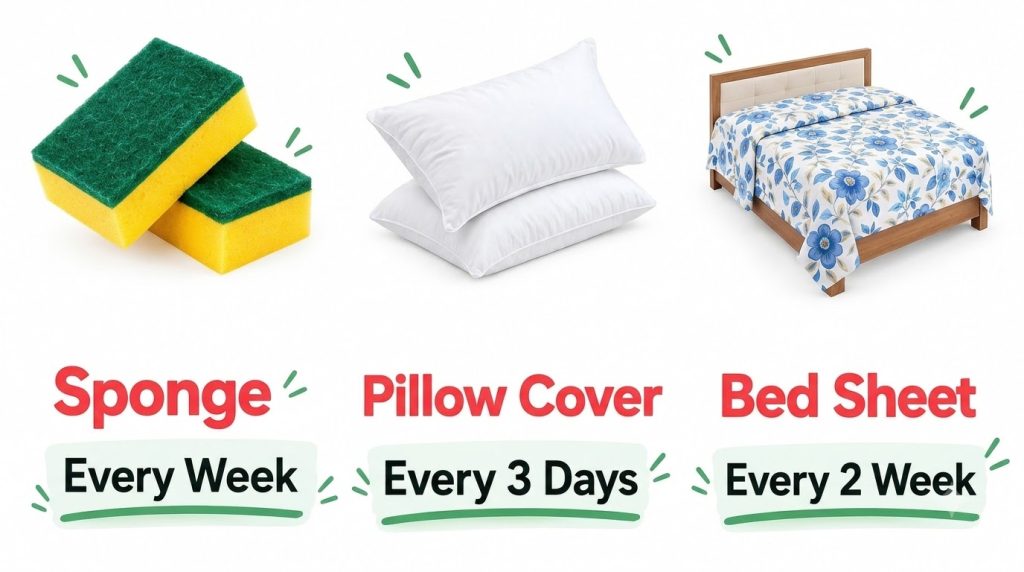
- Replace Regularly: Aim to replace your kitchen sponge every 1-2 weeks, or sooner if it starts to smell or show signs of wear and tear.
By keeping your sponge fresh, you help prevent the spread of germs to your dishes and countertops, contributing to a healthier cooking environment.
Pillows: Your Sleep Sanctuary’s Secret
We spend a significant portion of our lives with our heads resting on pillows. Over time, pillows can accumulate dust mites, dead skin cells, body oils, and sweat, which can trigger allergies and skin sensitivities. Giving your pillows proper attention can significantly improve your sleep quality and overall health.
How Often to Clean & Replace:
- Wash Pillowcases Weekly: This is a must for freshness and hygiene.
- Wash Pillows Every 3-6 Months: Most pillows (down, synthetic) can be machine washed. Always check the care label! Use a gentle cycle with mild detergent and tumble dry on low with dryer balls to restore fluffiness.
- Replace Pillows Every 1-2 Years: If your pillow is lumpy, no longer provides support, or you can fold it in half and it doesn’t spring back, it’s time for a new one. Replacing them ensures continued support and reduces allergen buildup.
Bedding: Creating a Fresh Oasis
Your bed should be a sanctuary of comfort and cleanliness. Just like pillows, sheets, duvet covers, and blankets collect skin cells, dust, and body oils. Regular washing helps keep your sleeping environment pristine, supporting clearer skin and easier breathing.
How Often to Clean & Replace:
- Wash Sheets Weekly: This is the golden rule. Wash sheets, pillowcases, and duvet covers in hot water (if fabric allows) to kill germs and dust mites.
- Wash Duvets/Comforters Every 2-4 Weeks: Depending on your habits, these can be washed less frequently than sheets, but still benefit from regular laundering.
- Wash Blankets/Throws Monthly or Bi-Monthly: If they come into direct contact with your skin, treat them like sheets. If they’re decorative, less often is fine.
- Replace Bedding as Needed: While not a strict timeline, replace worn-out sheets, faded duvet covers, or thin blankets when they lose their comfort or integrity.
Beyond the Basics: More Healthy Home Habits
While focusing on these key items, remember that a healthy home extends to other areas too:
- Ventilate Regularly: Open windows daily for 10-15 minutes to air out your home, especially after cooking or cleaning.
- Dust & Vacuum Weekly: Regular dusting with a damp cloth and vacuuming (using a HEPA filter if possible) helps remove allergens.
- Use Natural Cleaners: Opt for homemade cleaners using ingredients like white vinegar, baking soda, and lemon for effective and non-toxic cleaning.
- Clean Air Filters: Regularly change or clean the filters in your HVAC system to improve air quality.
By integrating these simple yet essential habits into your routine, you’re not just creating a cleaner home; you’re nurturing a healthier, more vibrant you. Small changes can truly lead to significant improvements in your well-being. Here’s to a fresher, healthier home!