Embarking on the journey of homemade baking can be incredibly rewarding, transforming simple ingredients into delicious creations right in your own kitchen. At the heart of most baked goods lies one fundamental component: the dough. Mastering various dough recipes is not just about following instructions; it’s about understanding the science and art behind baking, unlocking a world of culinary possibilities.
This comprehensive guide is designed to empower you with the essential skills needed to bake like a pro. We’ll dive deep into six core dough recipes – pizza, bread, pastry, brioche, bagels, and cinnamon rolls – providing you with the knowledge and confidence to create truly exceptional homemade treats from scratch. Get ready to elevate your baking and delight your senses!
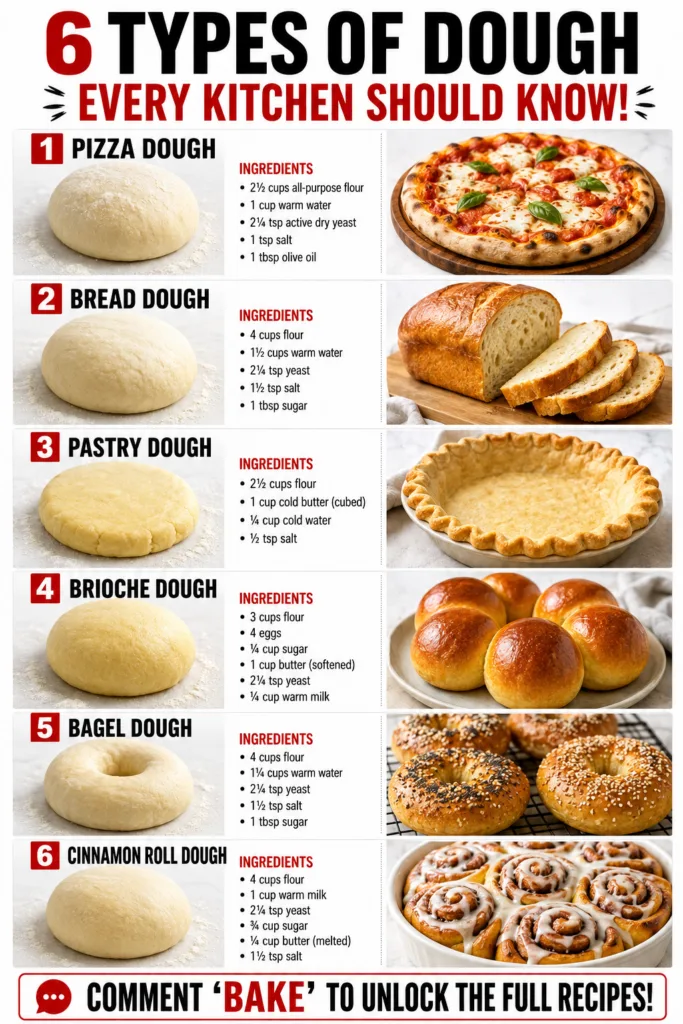
The Foundation of Flavor: Understanding Dough
Dough, in its simplest form, is a mixture of flour and liquid, often with a leavening agent like yeast or baking powder. However, the magic happens in the proportions, the mixing, and the resting. Each type of dough has a unique characteristic that makes it suitable for specific baked goods – from the airy chewiness of a bagel to the flaky layers of a pastry.
Understanding the role of ingredients like flour type, water temperature, and fats is crucial. For instance, gluten development, influenced by kneading, determines the texture and structure of yeast-leavened doughs, while cold butter and minimal handling are key to achieving a tender, flaky pastry.
Essential Dough Recipes: Your Guide to Baking from Scratch
Let’s explore the six fundamental dough recipes that will form the backbone of your baking repertoire. Each recipe is a gateway to countless delicious possibilities.
Pizza Dough: Crafting the Perfect Crust
A great pizza starts with a great crust. This versatile dough can be thin and crispy, or thick and chewy, depending on how you shape and bake it. Homemade pizza dough is surprisingly simple and far superior to store-bought options.
Ingredients:
- 1 cup (240ml) warm water (105-115°F / 40-46°C)
- 1 teaspoon active dry yeast
- 1 teaspoon sugar or honey
- 2 ½ cups (300g) all-purpose flour, plus more for dusting
- 1 teaspoon salt
- 1 tablespoon olive oil, plus more for bowl
Instructions:
- In a large bowl, combine warm water, yeast, and sugar/honey. Let it sit for 5-10 minutes until foamy.
- Stir in the flour, salt, and olive oil until a shaggy dough forms.
- Turn the dough out onto a lightly floured surface and knead for 5-7 minutes until smooth and elastic.
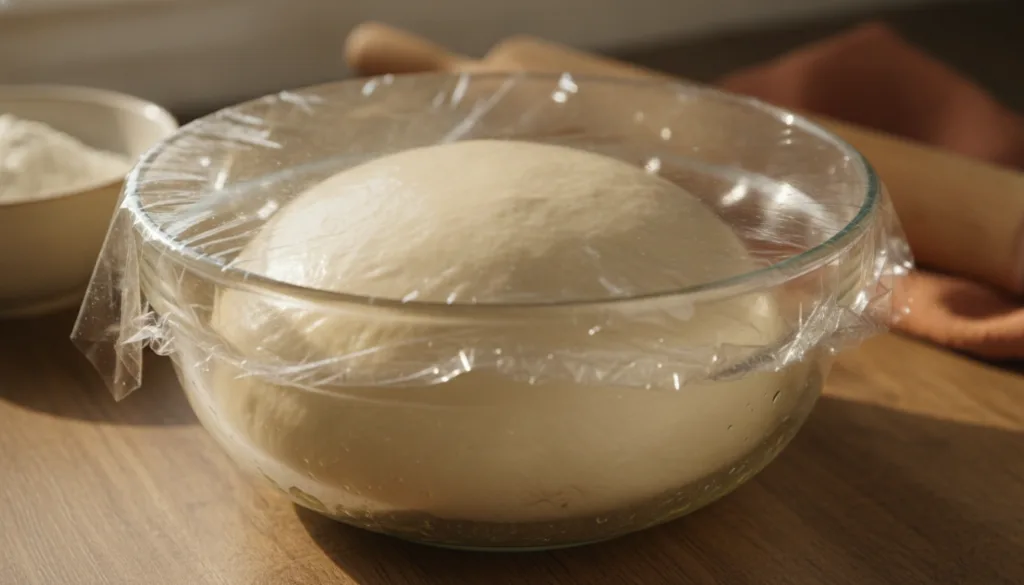
- Lightly grease a clean bowl with olive oil, place the dough in it, turning to coat. Cover with plastic wrap and let rise in a warm place for 1-1.5 hours, or until doubled in size.
- Punch down the dough and it’s ready to be shaped into your favorite pizza!
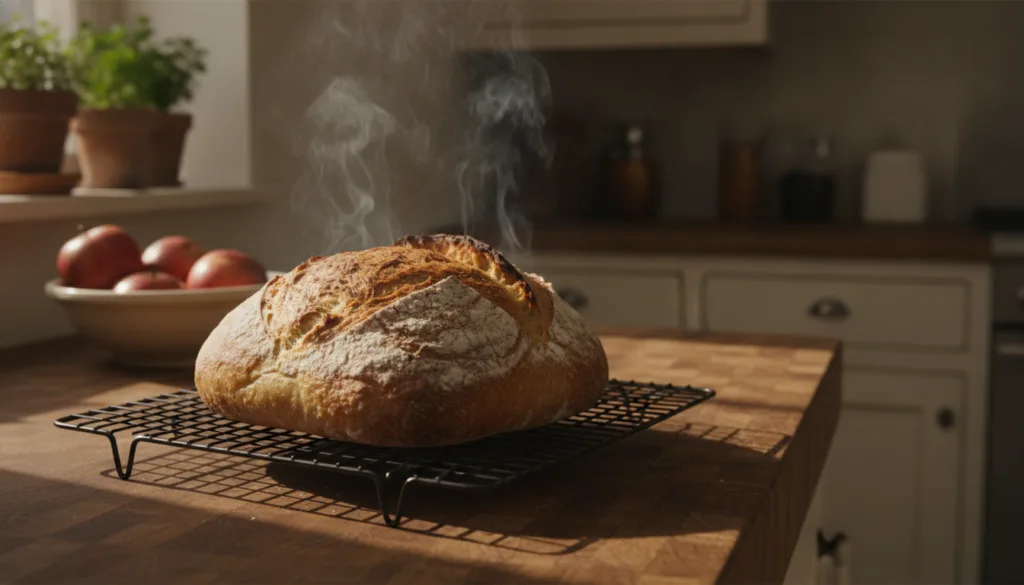
Classic Bread Dough: The Heart of Every Loaf
This basic bread dough recipe is incredibly versatile, serving as the starting point for countless types of loaves, rolls, and even sweet breads. It yields a soft, flavorful crumb and a beautiful crust.
Ingredients:
- 1 ½ cups (360ml) warm water (105-115°F / 40-46°C)
- 2 teaspoons active dry yeast
- 1 tablespoon sugar
- 3 ½ – 4 cups (420-480g) all-purpose flour, plus more for dusting
- 1 ½ teaspoons salt
- 2 tablespoons olive oil (optional, for softer crust)
Instructions:
- In a large bowl, combine warm water, yeast, and sugar. Let stand for 5 minutes until foamy.
- Gradually add 3 cups of flour and salt, mixing until a shaggy dough forms. If using, add olive oil.
- Turn the dough out onto a lightly floured surface. Knead for 8-10 minutes, gradually adding more flour as needed, until the dough is smooth, elastic, and no longer sticky.
- Place the dough in a lightly oiled bowl, turning to coat. Cover and let rise in a warm place for 1-1.5 hours, or until doubled.
- Punch down, reshape, and let rise for a second time if desired, or bake immediately.
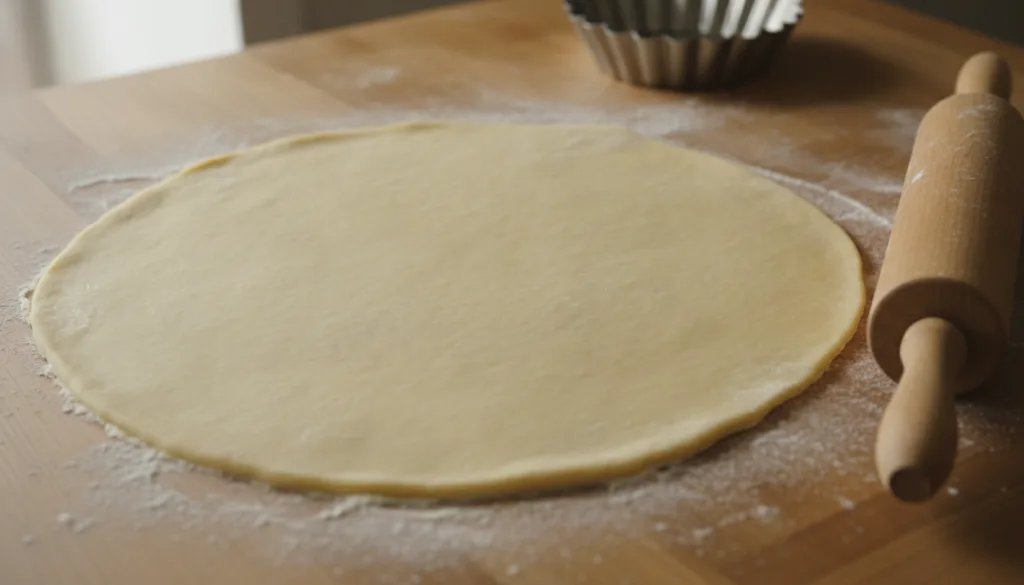
Flaky Pastry Dough: Mastering the Layers
Often used for pies, tarts, and quiches, a good flaky pastry dough is tender, buttery, and has delicate layers. The key is to keep ingredients cold and handle the dough as little as possible.
Ingredients:
- 2 ½ cups (300g) all-purpose flour
- 1 teaspoon salt
- 1 cup (226g) unsalted butter, very cold and cut into ½-inch cubes
- ½ cup (120ml) ice water, plus more if needed
Instructions:
- In a large bowl, whisk together flour and salt.
- Add the cold butter cubes to the flour. Using a pastry blender, your fingertips, or a food processor, cut the butter into the flour until the mixture resembles coarse crumbs with some pea-sized pieces of butter remaining.
- Gradually add ice water, 1 tablespoon at a time, mixing gently until the dough just comes together. Be careful not to overmix.
- Divide the dough into two disks, wrap tightly in plastic wrap, and refrigerate for at least 30 minutes (or up to 2 days) before rolling out.
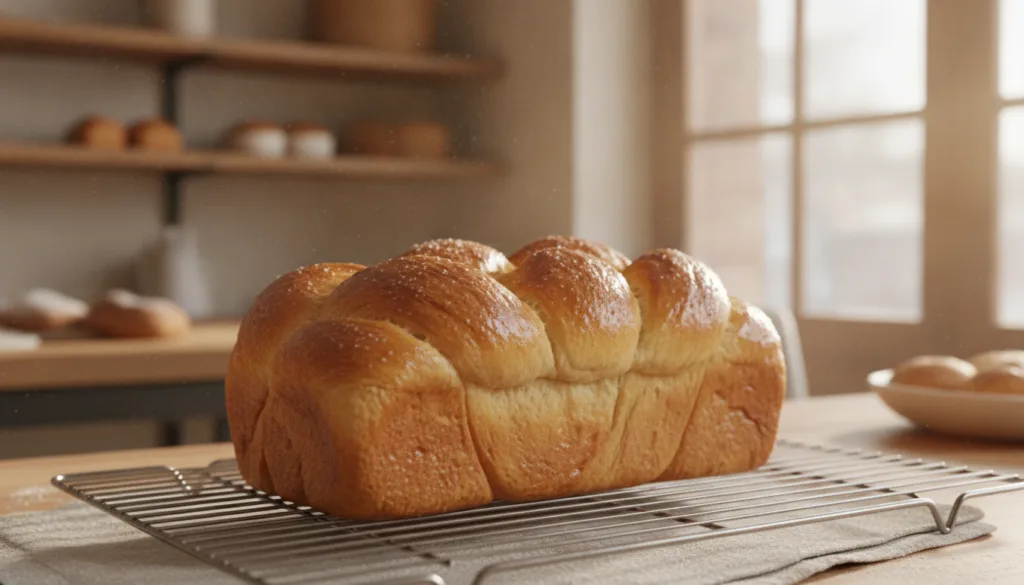
Rich Brioche Dough: The Sweet and Savory Staple
Brioche is a classic French bread, known for its rich, tender crumb, often thanks to a generous amount of butter and eggs. It’s fantastic for both sweet applications (like French toast) and savory (like burger buns).
Ingredients:
- ½ cup (120ml) warm milk (105-115°F / 40-46°C)
- 2 ¼ teaspoons active dry yeast (one packet)
- ¼ cup (50g) sugar
- 3 cups (360g) all-purpose flour
- 1 teaspoon salt
- 2 large eggs, at room temperature
- ½ cup (113g) unsalted butter, softened and cut into pieces
Instructions:
- In a small bowl, combine warm milk, yeast, and a pinch of sugar. Let sit for 5-10 minutes until foamy.
- In a large mixing bowl (or stand mixer bowl), combine flour, remaining sugar, and salt.
- Add the proofed yeast mixture and eggs to the dry ingredients. Mix on low speed (with a dough hook if using a stand mixer) until combined, then increase speed to medium and knead for about 5 minutes until the dough starts to come together.
- Gradually add the softened butter, one piece at a time, incorporating each piece before adding the next. Continue kneading for 10-15 minutes until the dough is smooth, elastic, and pulls away from the sides of the bowl.
- Transfer the dough to a lightly oiled bowl, cover, and refrigerate overnight (at least 8 hours). This slow rise develops flavor and makes it easier to handle.
- The next day, punch down the cold dough and shape as desired. Let rise in a warm place for 1-2 hours before baking.
Chewy Bagel Dough: Achieving That Signature Bite
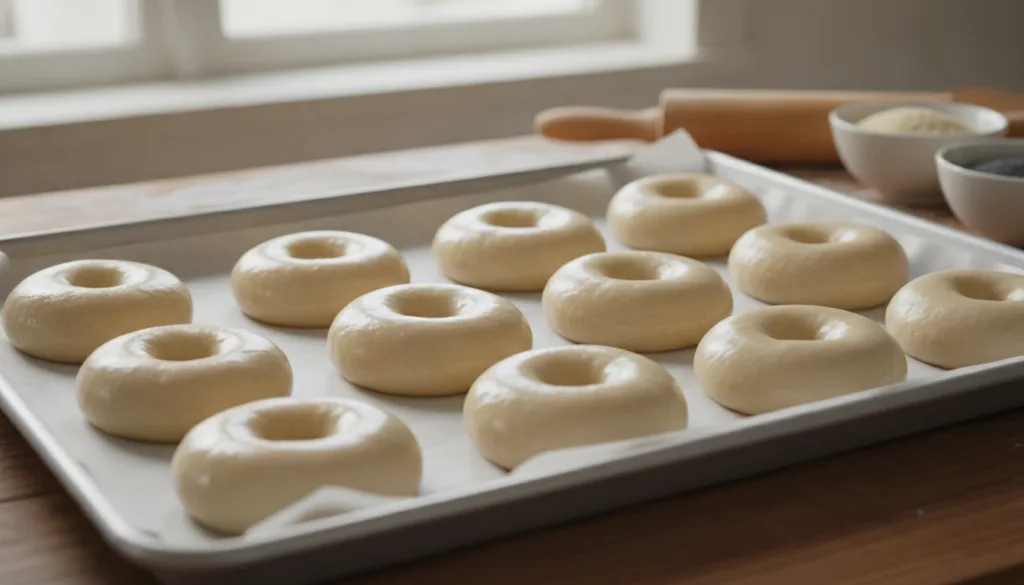
The secret to a classic chewy bagel lies in the dough’s specific preparation: a firm dough, a slow cold rise, and a quick boil before baking. This process creates that distinctive texture and shiny crust.
Ingredients:
- 1 ¼ cups (300ml) warm water (105-115°F / 40-46°C)
- 1 teaspoon active dry yeast
- 1 tablespoon barley malt syrup or brown sugar
- 3 ½ cups (420g) high-gluten flour or bread flour, plus more for dusting
- 1 ½ teaspoons salt
Instructions:
- In a large bowl, combine warm water, yeast, and malt syrup/brown sugar. Let sit for 5 minutes until foamy.
- Add the flour and salt. Mix until a stiff dough forms.
- Turn out onto a lightly floured surface and knead for 10-12 minutes until smooth and elastic. The dough should be quite firm.
- Place the dough in a lightly oiled bowl, cover, and refrigerate for at least 12 hours, or up to 2 days. This slow rise is crucial for flavor and texture.
- The next day, divide the cold dough into 8-10 equal pieces. Shape each piece into a ball, then poke a hole in the center with your thumb and gently stretch it to form a bagel shape.
- Let the shaped bagels rest on a floured surface for 20-30 minutes.
- Preheat oven to 425°F (220°C). Bring a large pot of water to a rolling boil and add 1 tablespoon of malt syrup (or sugar).
- Boil bagels, 2-3 at a time, for 30-60 seconds per side. Remove with a slotted spoon and place on a baking sheet.
- Bake for 18-22 minutes, or until golden brown.
Soft Cinnamon Roll Dough: Sweet Perfection
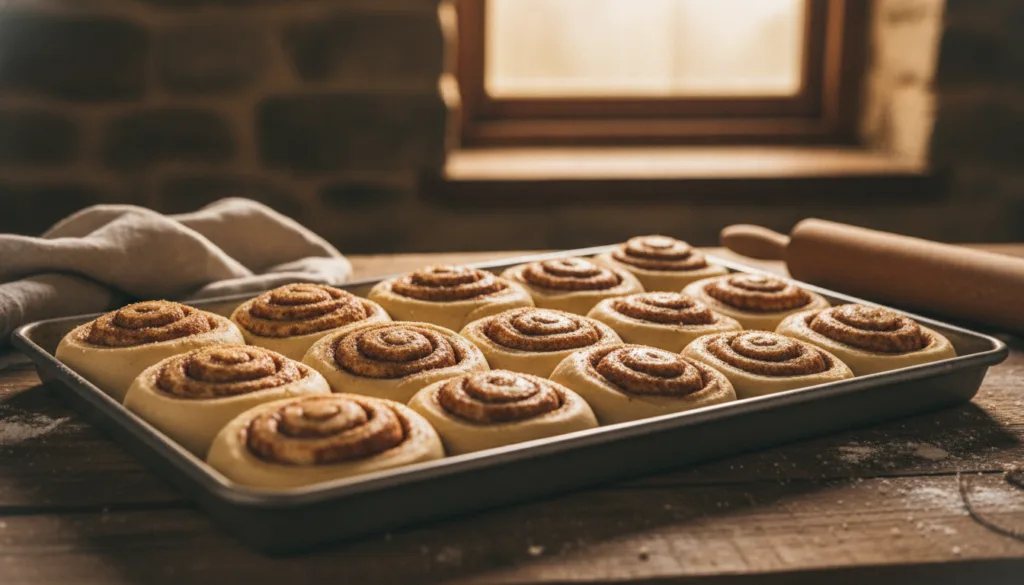
This tender, enriched dough is the foundation for fluffy, irresistible cinnamon rolls. The key is a soft dough that rises beautifully, creating that melt-in-your-mouth texture.
Ingredients:
- 1 cup (240ml) warm milk (105-115°F / 40-46°C)
- 2 ¼ teaspoons active dry yeast (one packet)
- ¼ cup (50g) granulated sugar, plus a pinch for yeast
- 1 large egg, at room temperature
- ¼ cup (57g) unsalted butter, melted and cooled slightly
- 3 cups (360g) all-purpose flour, plus more for dusting
- ½ teaspoon salt
Instructions:
- In a large bowl, combine warm milk, yeast, and a pinch of sugar. Let sit for 5-10 minutes until foamy.
- Stir in the egg, melted butter, and remaining ¼ cup sugar.
- Gradually add the flour and salt, mixing until a soft, shaggy dough forms.
- Turn the dough out onto a lightly floured surface and knead for 5-7 minutes until smooth and elastic. The dough will be soft.
- Place the dough in a lightly oiled bowl, turning to coat. Cover with plastic wrap and let rise in a warm place for 1-1.5 hours, or until doubled in size.
- Punch down the dough and it’s ready to be rolled out, filled, and shaped into cinnamon rolls.
Pro Tips for Dough Success
- Measure Accurately: Especially with flour, use a kitchen scale for best results. If using cups, spoon flour into the measuring cup and level it off.
- Temperature Matters: Yeast thrives in specific temperature ranges. Ensure your water is warm, not hot (which kills yeast), and your kitchen isn’t too cold for proofing.
- Don’t Rush the Rise: Patience is a virtue in baking. Allowing dough to rise fully develops flavor and texture. Cold fermentation (refrigerating overnight) is often beneficial.
- Knead Correctly: For yeast doughs, proper kneading builds gluten, which gives structure. For pastry, minimal handling prevents over-development of gluten, keeping it tender.
- Trust Your Senses: Learn to feel the dough. Is it sticky? Add a tiny bit more flour. Is it too stiff? A touch more liquid might help. It’s an art as much as a science.
- Invest in Tools: A kitchen scale, stand mixer with a dough hook, and a good rolling pin can make a significant difference.
Final Thoughts
Mastering these six essential dough recipes is a truly empowering step in your baking journey. From the comforting simplicity of homemade bread to the delicate layers of pastry and the satisfying chew of a fresh bagel, you now have the fundamental skills to create an incredible array of baked goods from scratch. Don’t be afraid to experiment, practice, and most importantly, enjoy the process. Happy baking!
Medical Disclaimer
The information provided in this article is for general informational purposes only and does not constitute nutritional or medical advice. Always consult with a qualified healthcare professional or registered dietitian before making any significant changes to your diet or if you have any health concerns.