Have you noticed a few silver strands appearing earlier than expected? Premature greying can be a surprising sight, and while genetics play a significant role, your diet and nutrient intake are also important factors. One group of nutrients often linked to vibrant hair health and even the prevention of early greying is the B vitamins.
In this article, we’ll dive into the fascinating connection between Vitamin B and your hair color. We’ll explore why these essential nutrients are crucial, which foods are packed with them, and how you can easily incorporate them into your daily meals to support healthy, youthful-looking hair. Get ready to nourish your hair from the inside out!
Understanding Premature Greying
Hair color is determined by melanin, a pigment produced by specialized cells called melanocytes within your hair follicles. As we age, these melanocytes naturally produce less melanin, leading to grey or white hair. Premature greying occurs when this process begins much earlier than the typical age range, often before 30.
While genetics are a primary cause, factors like stress, environmental toxins, and nutritional deficiencies can also contribute. Among these, a lack of certain B vitamins has been frequently associated with hair pigment changes.
The Role of Vitamin B in Hair Health
The B vitamin complex is a group of eight water-soluble vitamins that play critical roles in metabolism, energy production, and cell function. For hair, several B vitamins are particularly vital:
Vitamin B12 (Cobalamin)
- Function: Essential for red blood cell formation, which carries oxygen and nutrients to hair follicles. It’s also crucial for DNA synthesis and neurological function.
- Hair Connection: Research suggests a strong link between Vitamin B12 deficiency and premature greying. Low levels can impair melanin production, leading to a loss of hair pigment.
Folate (Vitamin B9)
- Function: Works closely with Vitamin B12 in DNA synthesis and cell division.
- Hair Connection: Adequate folate levels ensure healthy cell replication, which is vital for rapidly growing hair cells and maintaining proper pigmentation.
Biotin (Vitamin B7)
- Function: Often called the ‘hair, skin, and nails vitamin,’ biotin supports the production of keratin, the primary protein structure of hair.
- Hair Connection: While direct links to greying are less established than with B12, biotin deficiency can lead to hair thinning and loss. It contributes to overall hair strength and vitality.
Pantothenic Acid (Vitamin B5)
- Function: Involved in energy production and the synthesis of hormones and cholesterol.
- Hair Connection: Some older studies and anecdotal evidence suggest a potential role in preventing or even reversing greying, though more recent, robust scientific evidence is needed to confirm this.
Vitamin B6 (Pyridoxine)
- Function: Plays a role in protein metabolism and the production of hemoglobin, which carries oxygen in red blood cells.
- Hair Connection: By supporting oxygen delivery and protein synthesis, B6 contributes to healthy hair growth and maintenance.
Top Vitamin B-Rich Foods for Your Hair
Incorporating a variety of foods rich in the entire B vitamin complex is the best strategy for promoting hair health. Here are some excellent sources:
| Food | Key B Vitamins | Best Benefit for Hair |
|---|---|---|
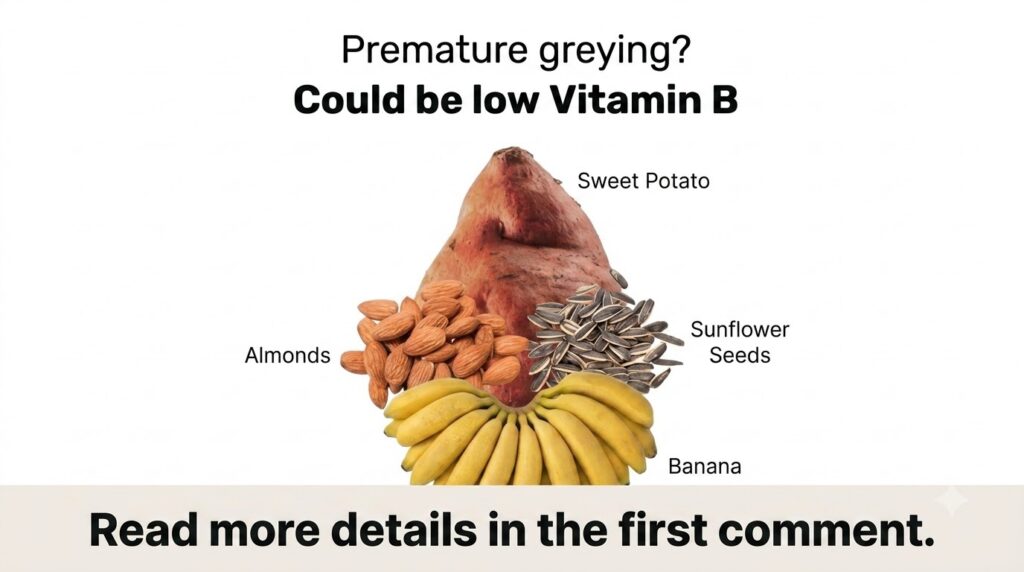
| Sweet Potatoes | B6, Pantothenic Acid | Supports cell growth and healthy scalp. |
| Almonds | Biotin, B2, B3 | Strengthens hair, improves elasticity. |
| Sunflower Seeds | Biotin, B1, B5 | Provides nutrients for keratin production. |
| Bananas | B6, B2, Folate | Aids in protein metabolism and cell repair. |
| Eggs | Biotin, B12, Folate | Comprehensive support for hair structure and pigment. |
| Leafy Greens (Spinach, Kale) | Folate, B2, B6 | Promotes cell division and antioxidant protection. |
| Legumes (Lentils, Beans) | Folate, B1, B6 | Essential for healthy hair follicles. |
| Whole Grains (Oats, Brown Rice) | B1, B2, B3, B5 | Supports energy production for hair growth. |
| Fish (Salmon, Tuna) | B12, B6, Niacin | Crucial for melanin production and blood flow. |
| Dairy (Milk, Yogurt) | B12, B2 | Contributes to hair pigment and growth. |
Practical Tips for Incorporating Vitamin B Foods
Making these foods a regular part of your diet is easier than you think!
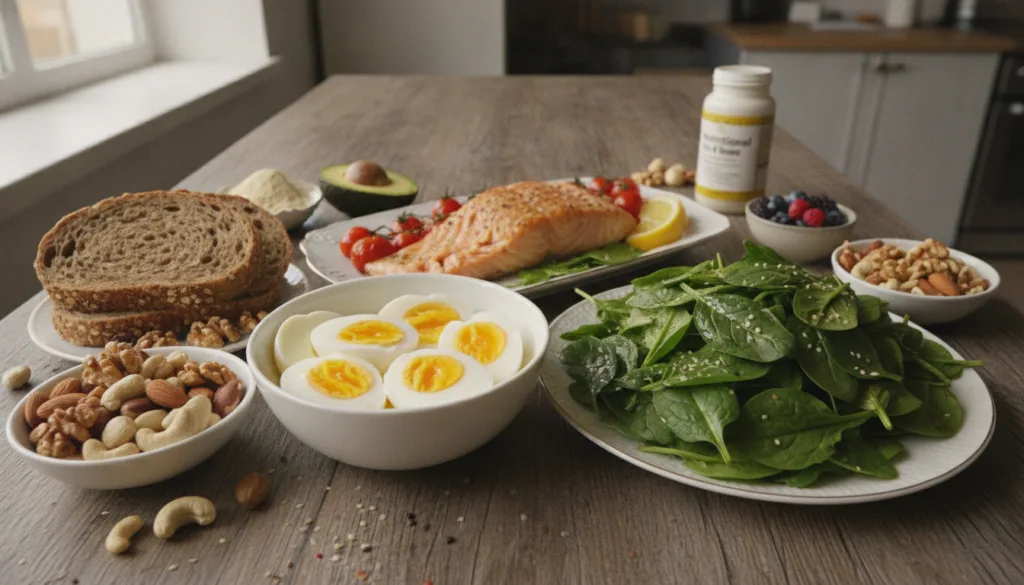
- Start Your Day Right: Add bananas or sunflower seeds to your oatmeal or smoothie. Enjoy eggs with a side of spinach for a Vitamin B-packed breakfast.
- Smart Snacking: Keep a handful of almonds or sunflower seeds handy for a quick, nutritious snack.
- Lunch & Dinner Boost: Incorporate sweet potatoes into your meals as roasted wedges or a mashed side. Add lentils to soups or salads, and include fatty fish like salmon a couple of times a week.
- Variety is Key: Don’t rely on just one or two foods. A diverse diet ensures you’re getting a broad spectrum of B vitamins and other essential nutrients.
Potential Risks of Vitamin B Deficiency
Beyond premature greying, a prolonged deficiency in B vitamins, especially B12 and folate, can lead to more serious health issues:
- Fatigue and Weakness: Due to impaired red blood cell production.
- Anemia: Megaloblastic anemia is a common symptom of B12 and folate deficiency.
- Neurological Problems: Nerve damage, memory issues, and mood changes can occur, particularly with B12 deficiency.
- Digestive Issues: Nausea, diarrhea, or constipation.
- Skin Issues: Dermatitis and other skin problems.
It’s important to address any suspected deficiency with a healthcare professional.
FAQs About Vitamin B and Hair Health
Can Vitamin B reverse grey hair?
While Vitamin B deficiency can contribute to premature greying, there’s limited strong evidence that supplements or dietary changes can reverse existing grey hair. However, ensuring adequate intake can help maintain current hair color and potentially prevent further premature greying if deficiency was a factor.
Which specific B vitamins are most important for hair color?
Vitamin B12 and folate (B9) are most directly linked to melanin production and have the strongest association with premature greying when deficient. Biotin (B7) is also crucial for overall hair strength and health.
How long does it take to see results from increasing Vitamin B intake?
Hair growth is a slow process, so any visible changes would take time. You might start noticing improvements in hair texture or strength within a few months, but changes in pigmentation (if any) could take longer, typically 6-12 months.
Are Vitamin B supplements necessary?
For most people, a balanced diet can provide sufficient B vitamins. However, individuals with diagnosed deficiencies (e.g., B12 deficiency), strict vegetarian/vegan diets, or certain medical conditions may benefit from supplementation. Always consult a healthcare professional before starting any supplements.
What are other causes of premature greying?
Besides nutrient deficiencies, genetics are a major factor. Other causes can include chronic stress, certain medical conditions (like thyroid disorders or autoimmune diseases), smoking, and exposure to environmental toxins.
Can children experience premature greying due to Vitamin B deficiency?
Yes, while rare, children can experience premature greying, and a severe Vitamin B12 deficiency can be one of the contributing factors. Medical evaluation is crucial for children experiencing early greying.
Are there any risks with taking too much Vitamin B?
Since B vitamins are water-soluble, excess amounts are typically excreted in urine. However, very high doses of certain B vitamins (like B6) can lead to nerve damage, and excessive niacin can cause flushing. It’s best to stick to recommended daily allowances unless advised otherwise by a doctor.
Conclusion
While the silvering of hair is a natural part of aging, understanding the role of Vitamin B can empower you to take proactive steps for your hair’s vitality. By focusing on a diverse diet rich in sweet potatoes, almonds, sunflower seeds, bananas, and other wholesome foods, you’re not just supporting healthy hair; you’re nurturing your entire body.
Remember, a healthy lifestyle is a holistic one. Keep exploring healthy eating habits and nourishing your body from within. We encourage you to discover more of our content on Healthy Foods and Nutrition Guides for continued wellness inspiration!
This content is for educational purposes only and should not be considered medical advice. Consult a qualified healthcare professional for personalized dietary recommendations.