In today’s fast-paced world, stress often feels like an unavoidable companion. While stress is a natural part of life, chronic stress can have a significant impact on our health, particularly on our hormone balance. One key hormone in this equation is cortisol, often dubbed the ‘stress hormone.’
Understanding how cortisol works and, more importantly, how certain foods can help manage its levels, is a powerful step towards better well-being. This article will explore the connection between your diet and cortisol, highlighting superfoods that can support your body’s natural balance and help you feel calmer and more energetic.
You’ll discover practical ways to incorporate these nourishing ingredients into your daily meals, empowering you to take control of your stress response through delicious and wholesome eating.
What is Cortisol and Why Does it Matter?
Cortisol is a steroid hormone produced by your adrenal glands, small glands located above your kidneys. It plays several vital roles in your body, including:
- Regulating your body’s stress response
- Controlling blood sugar levels
- Reducing inflammation
- Regulating metabolism
- Helping with memory formation
When you encounter a stressful situation, your body releases cortisol as part of your ‘fight or flight’ response. This is a natural and healthy mechanism for short-term stressors. However, if stress becomes chronic, your body can produce too much cortisol for too long. High cortisol levels over time can lead to a range of issues, such as:
- Weight gain, especially around the abdomen
- High blood pressure
- Disrupted sleep patterns
- Mood changes, including anxiety and depression
- Weakened immune function
- Digestive problems
Maintaining balanced cortisol levels is crucial for overall health and well-being.
How Food Impacts Cortisol Levels
What you eat can significantly influence your body’s stress response and cortisol production. Certain nutrients and food components can help regulate inflammation, stabilize blood sugar, and support neurotransmitter production, all of which indirectly affect cortisol.
- Stabilizing Blood Sugar: Foods that cause rapid spikes and crashes in blood sugar can trigger cortisol release. Opting for complex carbohydrates and fiber-rich foods helps maintain steady blood sugar.
- Reducing Inflammation: Chronic inflammation is a stressor on the body, which can elevate cortisol. Anti-inflammatory foods help calm this response.
- Providing Essential Nutrients: Vitamins and minerals like magnesium, B vitamins, and omega-3 fatty acids are critical for adrenal function and overall stress resilience.
- Supporting Gut Health: A healthy gut microbiome can influence mood and stress hormones, including cortisol, through the gut-brain axis.
Top Foods to Support Cortisol Balance
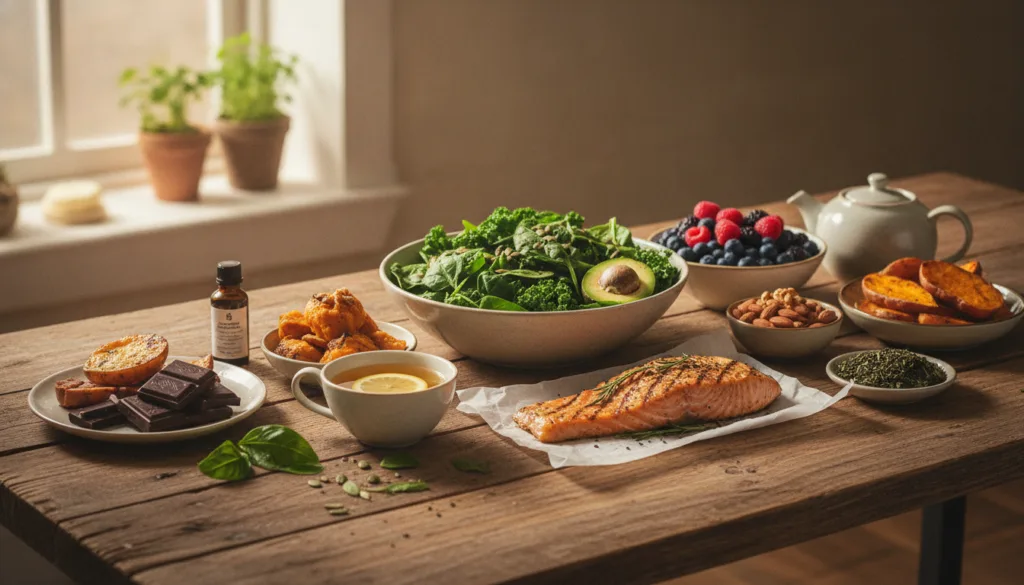
Here are some superfoods that can help nourish your body and promote balanced cortisol levels:
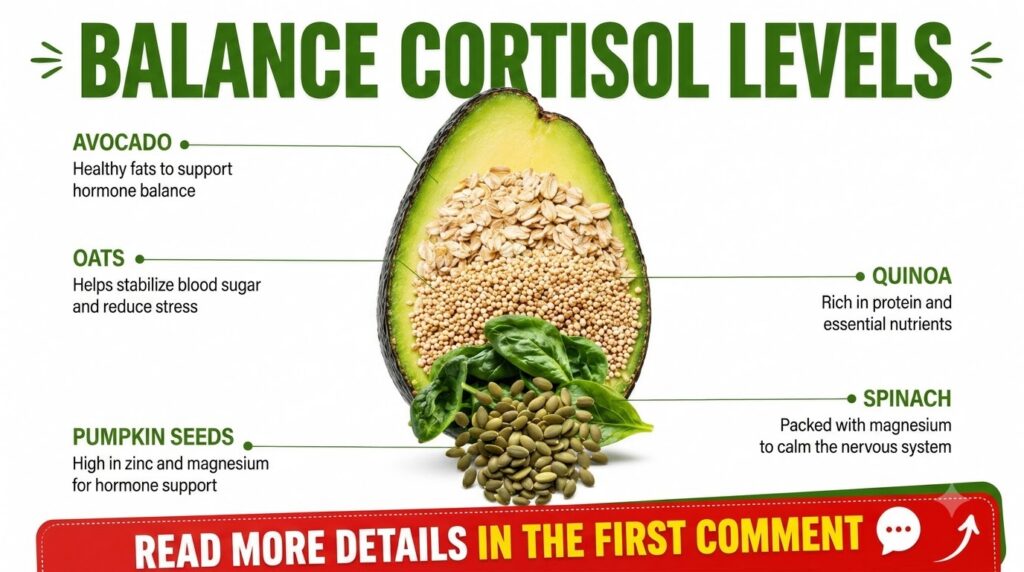
1. Avocados
Avocados are nutritional powerhouses, packed with healthy monounsaturated fats, fiber, potassium, and B vitamins. The healthy fats in avocados help keep you feeling full and satisfied, preventing blood sugar crashes that can spike cortisol. B vitamins, particularly B6, are vital for neurotransmitter production, which can positively influence mood and stress.
- Best Benefit: Healthy fats for sustained energy and blood sugar stability.
- Best Ways to Eat: Add to smoothies, salads, sandwiches, or make guacamole.
2. Oats
Oats are a fantastic source of complex carbohydrates and soluble fiber. They release energy slowly, helping to stabilize blood sugar levels and prevent cortisol surges. Oats also contain avenanthramides, antioxidants that may have anti-inflammatory effects. Their comforting nature can also have a psychological calming effect.
- Best Benefit: Steady blood sugar and sustained energy release.
- Best Ways to Eat: Oatmeal for breakfast, added to smoothies, or used in healthy baking.
3. Spinach
Spinach, like many leafy green vegetables, is rich in magnesium, a mineral often called ‘nature’s tranquilizer.’ Magnesium plays a crucial role in nerve function, muscle relaxation, and regulating the body’s stress response. Many people are deficient in magnesium, and increasing intake through diet can be beneficial for stress management.
- Best Benefit: High in magnesium, essential for relaxation and nerve function.
- Best Ways to Eat: In salads, smoothies, stir-fries, or sautéed as a side dish.
4. Quinoa
Quinoa is a complete protein, meaning it contains all nine essential amino acids. It’s also a good source of fiber, magnesium, and B vitamins. Its combination of protein and complex carbohydrates contributes to stable blood sugar levels, preventing the hormonal rollercoaster that can elevate cortisol.
- Best Benefit: Complete protein and complex carbs for sustained energy and mood.
- Best Ways to Eat: As a side dish, in salads, or as a base for grain bowls.
5. Pumpkin Seeds
Pumpkin seeds are tiny but mighty, offering a wealth of nutrients including magnesium, zinc, and tryptophan. Tryptophan is an amino acid that the body converts into serotonin, a neurotransmitter known for its mood-boosting and calming effects. Zinc also plays a role in immune function and stress response.
- Best Benefit: Rich in magnesium, zinc, and tryptophan for mood and relaxation.
- Best Ways to Eat: Sprinkled on salads, oatmeal, yogurt, or as a healthy snack.
6. Fatty Fish (Salmon, Mackerel)
These fish are excellent sources of omega-3 fatty acids, particularly EPA and DHA. Omega-3s are renowned for their anti-inflammatory properties and their role in brain health. Research suggests that omega-3s may help reduce the production of stress hormones, including cortisol.
- Best Benefit: Anti-inflammatory omega-3s for brain health and stress reduction.
- Best Ways to Eat: Baked, grilled, or pan-seared.
7. Berries (Blueberries, Raspberries)
Berries are packed with antioxidants, especially anthocyanins, which help combat oxidative stress in the body. Reducing oxidative stress can indirectly support a healthier cortisol response. They are also lower in sugar than many fruits, helping to prevent blood sugar spikes.
- Best Benefit: High in antioxidants to combat oxidative stress.
- Best Ways to Eat: Fresh as a snack, in smoothies, yogurt, or oatmeal.
8. Dark Chocolate
Good news for chocolate lovers! Dark chocolate (with at least 70% cocoa) contains flavonoids, which are potent antioxidants. It also has compounds that can stimulate the production of endorphins and serotonin, contributing to feelings of well-being. Additionally, it contains magnesium.
- Best Benefit: Antioxidants, mood-boosting compounds, and magnesium.
- Best Ways to Eat: In moderation as a treat, or melted into oatmeal.
Practical Tips for Incorporating Cortisol-Balancing Foods
Making these foods a regular part of your diet doesn’t have to be complicated. Here are some simple ideas:
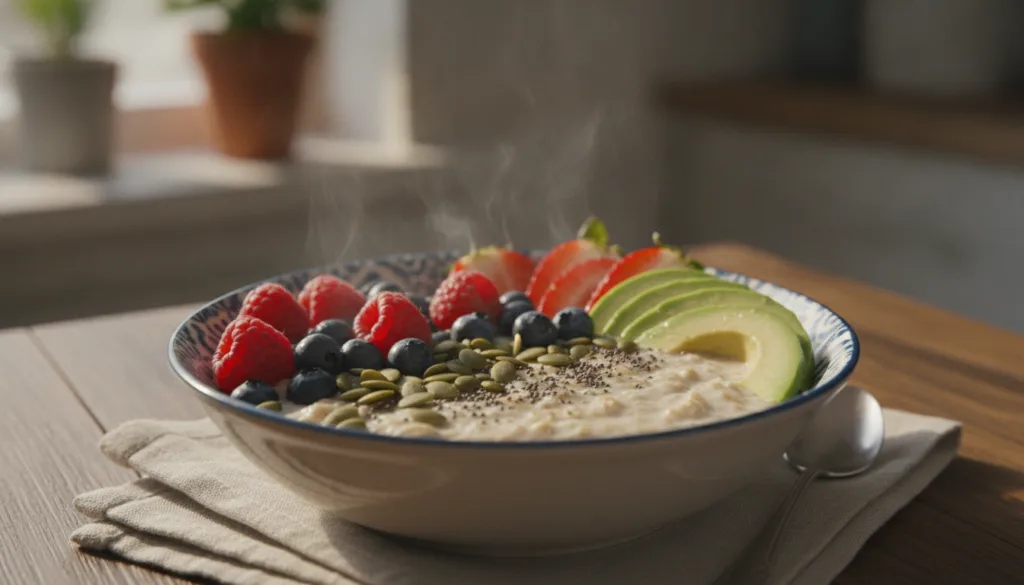
- Start Your Day Right: Enjoy a bowl of oatmeal topped with berries, pumpkin seeds, and a few slices of avocado.
- Lunchtime Boost: Add spinach and quinoa to your salads, or make a hearty quinoa bowl with roasted vegetables and a lean protein.
- Smart Snacking: Keep avocado slices, a handful of pumpkin seeds, or some berries on hand for healthy, stress-reducing snacks.
- Dinner Delight: Incorporate fatty fish like salmon a few times a week, served with a side of sautéed spinach and quinoa.
- Smoothie Power: Blend spinach, avocado, oats, and berries into a nutritious smoothie for a quick meal or snack.
- Mindful Eating: Pay attention to how these foods make you feel. Eating slowly and mindfully can also reduce stress.
FAQs About Cortisol and Food
Q1: Can certain foods increase cortisol?
Yes, foods high in refined sugars, unhealthy fats, and excessive caffeine can potentially contribute to increased cortisol levels or exacerbate stress responses by causing blood sugar spikes and inflammation.
Q2: How quickly can diet changes affect cortisol levels?
While some effects like blood sugar stabilization can be relatively quick, significant changes in chronic cortisol levels typically take weeks to months of consistent healthy eating and lifestyle changes. It’s a gradual process.
Q3: Is it possible to completely eliminate stress through diet?
Diet alone cannot eliminate stress, as stress is a complex response involving many factors. However, a healthy diet can significantly improve your body’s ability to cope with stress and mitigate the negative impacts of high cortisol.
Q4: Should I avoid all carbohydrates to balance cortisol?
No, complex carbohydrates like those found in whole grains (oats, quinoa), fruits, and vegetables are important for energy and stabilizing blood sugar. It’s refined carbohydrates and simple sugars that can be problematic.
Q5: Are there any supplements that help with cortisol balance?
Some supplements like magnesium, ashwagandha, and omega-3s are often discussed for stress management. However, it’s crucial to consult a healthcare professional before starting any supplements, as they may interact with medications or not be appropriate for everyone.
Q6: Does hydration play a role in cortisol levels?
Yes, dehydration can be a physical stressor on the body and may contribute to elevated cortisol levels. Staying well-hydrated throughout the day is an important part of overall stress management.
Q7: Can a specific diet cure high cortisol?
No, a specific diet does not ‘cure’ high cortisol. However, an anti-inflammatory, whole-food-based diet can significantly support your adrenal glands, stabilize blood sugar, and provide essential nutrients that help your body better manage and balance cortisol levels.
Conclusion
Balancing cortisol levels is a multifaceted journey, and incorporating nourishing foods into your diet is a powerful and delicious step. By focusing on whole, unprocessed foods rich in healthy fats, fiber, antioxidants, and essential minerals like magnesium, you can empower your body to better manage stress and promote overall well-being.
Remember, food is not just fuel; it’s information for your body. Choose wisely to support a calmer, more balanced you. Start experimenting with these superfoods today and feel the difference!
This content is for educational purposes only and should not be considered medical advice. Consult a qualified healthcare professional for personalized dietary recommendations.