12 Natural Wellness Herbs Your Doctor Might Not Have Mentioned
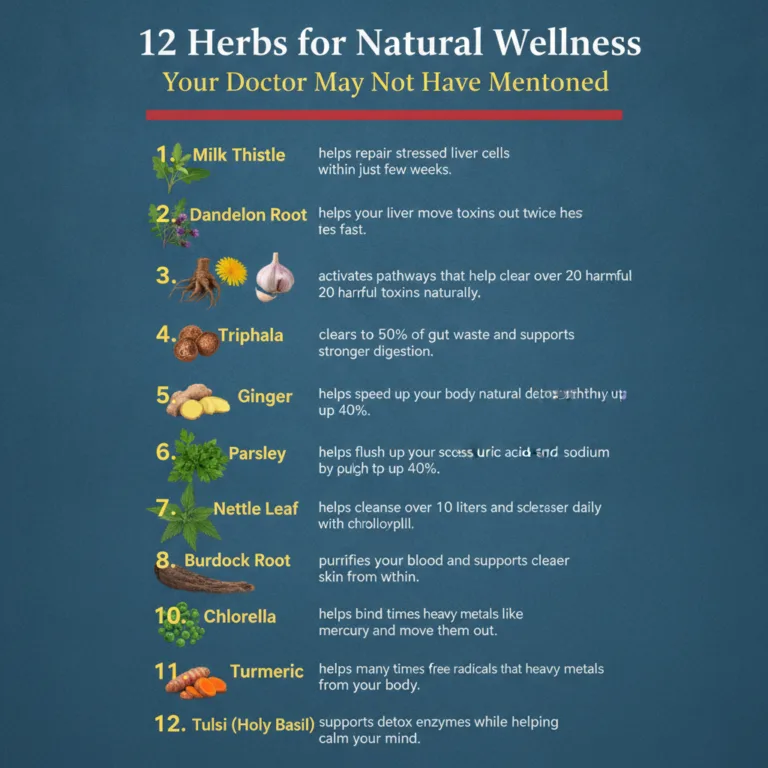
The Untold Secrets of Nature’s Pharmacy
Have you ever paused to consider the incredible power hidden within nature’s garden? Beyond our modern pharmacies, generations before us turned to the earth for remedies and support for their well-being. It’s a fascinating world where ancient wisdom meets natural vitality, often overlooked in our fast-paced lives.
While your doctor provides invaluable care for specific health concerns, there’s a vast realm of natural wellness that traditional cultures have cherished for centuries. These are the herbs that might not come up in a routine check-up, but can offer a wonderful complement to your healthy lifestyle.
Why These Herbs Matter for Your Wellness Journey
In our quest for holistic health and graceful aging, many of us are seeking natural ways to support our bodies. The allure of herbs lies in their long history of use and their complex array of compounds that work synergistically. People are increasingly interested in these natural allies for a variety of reasons:
- Curiosity about Traditional Wisdom: Many desire to reconnect with ancestral practices and learn from the natural world.
- Complementary Support: These herbs are often explored for maintaining general wellness, boosting vitality, and supporting the body’s natural functions.
- Gentle Approach: For those who prefer natural pathways, herbs offer a gentle yet potent way to engage with their health.
- Empowerment: Learning about natural remedies empowers individuals to take a more active role in their well-being.
It’s about expanding our understanding of wellness, not replacing professional medical advice, but enriching our daily lives with nature’s gifts.
Exploring 12 Powerful Herbs for Natural Well-being
Let’s dive into some of the remarkable herbs that have stood the test of time, traditionally revered for their unique contributions to health. Remember, while these herbs have long histories of use, their effects can vary, and it’s always wise to approach natural remedies with informed caution.
1. Turmeric (Curcuma longa)
- Traditional Use: A staple in Ayurvedic and Chinese medicine for its vibrant color and warming properties. Valued for supporting inflammatory responses and digestive health.
- Modern Understanding: Contains curcuminoids, notably curcumin, which have been studied for their antioxidant properties.
2. Dandelion Root (Taraxacum officinale)
- Traditional Use: Often used as a bitter tonic to support liver and digestive functions, and as a natural diuretic.
- Modern Understanding: Rich in vitamins A, C, K, E, and B vitamins, as well as minerals. Research suggests potential benefits for liver health and fluid balance.
3. Milk Thistle (Silybum marianum)
- Traditional Use: Revered for centuries, particularly for supporting liver health and detoxification processes.
- Modern Understanding: Its active compound, silymarin, is well-researched for its potential to protect liver cells and support liver function.
4. Ginger (Zingiber officinale)
- Traditional Use: A warming spice used across many cultures to soothe digestive upset, nausea, and support a healthy inflammatory response.
- Modern Understanding: Contains gingerols and shogaols, which contribute to its known digestive and anti-inflammatory properties.
5. Chamomile (Matricaria chamomilla)
- Traditional Use: A beloved herb for its calming properties, often brewed as a tea to promote relaxation and aid sleep.
- Modern Understanding: Contains compounds like apigenin, which may contribute to its soothing effects on the nervous system.
6. Peppermint (Mentha piperita)
- Traditional Use: Widely used for digestive relief, easing discomfort, and freshening breath.
- Modern Understanding: Menthol is a key active compound, often used in tinctures or teas to support gastrointestinal comfort.
7. Green Tea (Camellia sinensis)
- Traditional Use: Central to Asian cultures, consumed for its invigorating and health-promoting qualities.
- Modern Understanding: Rich in antioxidants, particularly EGCG (epigallocatechin gallate), which has been extensively studied for its role in cellular health and metabolism.
8. Echinacea (Echinacea purpurea)
- Traditional Use: Popular among Native American tribes for its role in supporting immune function, especially during seasonal changes.
- Modern Understanding: Contains a complex mix of active substances thought to support the body’s natural defenses.
9. Ashwagandha (Withania somnifera)
- Traditional Use: An important adaptogenic herb in Ayurvedic medicine, used to help the body adapt to stress and promote balance.
- Modern Understanding: Contains compounds called withanolides, which are believed to contribute to its adaptogenic and stress-reducing effects.
10. Elderberry (Sambucus nigra)
- Traditional Use: Berries and flowers have been traditionally used to support immune health and soothe seasonal discomforts.
- Modern Understanding: Packed with antioxidants and vitamins, elderberry has gained popularity for its potential to support the immune system.
11. Holy Basil (Ocimum tenuiflorum)
- Traditional Use: Known as “Tulsi” in Ayurveda, it’s revered as an adaptogen for promoting mental balance and overall wellness.
- Modern Understanding: Research suggests it may help the body manage stress and support cognitive function.
12. Ginseng (Panax ginseng)
- Traditional Use: A highly valued adaptogen in traditional Chinese medicine, used to boost energy, enhance mental clarity, and support vitality.
- Modern Understanding: Contains ginsenosides, believed to contribute to its energizing and cognitive-supportive properties.
Incorporating Herbs into Your Daily Rhythm: A Practical Guide
Ready to invite these green allies into your life? Here are some simple, practical ways to get started:
- Herbal Teas: Many of these herbs (like chamomile, ginger, dandelion, green tea, peppermint, holy basil) can be enjoyed as soothing or invigorating teas. Use dried herbs, steep for 5-10 minutes, and enjoy.
- Culinary Delights: Integrate turmeric and ginger into your cooking for flavor and benefit. Think curries, stir-fries, or warming drinks.
- Supplements: For specific benefits, standardized herbal supplements (like milk thistle or ashwagandha capsules) can be a convenient option. Always choose reputable brands.
- Tinctures: Liquid herbal extracts, known as tinctures, offer a concentrated way to consume herbs and are absorbed quickly.
- Start Small: Introduce one herb at a time and observe how your body responds. Begin with lower doses and gradually increase if needed.
- Consistency is Key: Many herbs offer benefits over time with consistent use rather than immediate effects.
- Quality Matters: Source your herbs from reputable suppliers to ensure purity and potency. Look for organic and non-GMO options.
Safety and Precautions Before You Begin
While natural, herbs are potent and should be treated with respect. Your safety is paramount, so please consider the following:
- Consult Your Doctor: This is crucial. If you are pregnant, nursing, have existing medical conditions, or are taking any medications (prescription or over-the-counter), please consult your healthcare provider before introducing new herbs. Some herbs can interact with medications or exacerbate certain conditions.
- Allergies: Be aware of potential allergies. If you are allergic to plants in the daisy family (like ragweed), you might react to chamomile, echinacea, or dandelion.
- Dosage: Follow recommended dosages carefully. More is not always better with herbal remedies.
- Quality: Ensure you are using high-quality, pure herbs from trusted sources.
- Listen to Your Body: If you experience any adverse reactions, discontinue use and consult a healthcare professional.
Key Takeaways for Your Herbal Journey
- Nature offers a rich array of herbs traditionally used for wellness.
- Herbs like Turmeric, Dandelion Root, and Milk Thistle are known for their potential to support various bodily functions.
- Always approach herbal remedies with an informed and cautious mindset.
- Integrate herbs into your lifestyle through teas, culinary uses, or quality supplements.
- Prioritize safety by consulting your doctor, especially if you have underlying health conditions or take medications.
Frequently Asked Questions
Q1: Can I take all these herbs at once?
A: It’s generally best to introduce herbs one at a time to observe your body’s individual response. Combining many herbs without expert guidance can be complex, and some combinations might not be suitable for everyone. Always consult a healthcare professional, especially if you are new to herbal remedies.
Q2: How long does it take to see results from using herbs?
A: Herbal remedies typically work more slowly and subtly than pharmaceutical drugs. Effects can vary widely depending on the herb, individual metabolism, consistency of use, and the specific wellness goal. It might take weeks or even months of consistent use to notice changes. Patience and consistency are key.
Q3: Are herbal supplements regulated?
A: In many countries, herbal supplements are regulated differently than pharmaceuticals. They are generally treated as food products rather than drugs. This means quality, purity, and potency can vary significantly between brands. Always choose reputable brands that conduct third-party testing and adhere to good manufacturing practices (GMP).
Q4: Can children or older adults use these herbs?
A: While some herbs are considered mild and safe for children and older adults (like chamomile for sleep), others may not be appropriate. Dosages often need to be adjusted, and sensitivities can be higher. Always consult a pediatrician or geriatric specialist before giving herbs to children or older adults.
Related Reading to Deepen Your Natural Wellness Knowledge
- The Power of Anti-Inflammatory Foods for Daily Vitality
- Boosting Your Immune System Naturally: A Comprehensive Guide
- Herbal Teas for Relaxation and Better Sleep
- Embracing Adaptogens: Nature’s Stress Support
- Natural Ways to Support Your Liver Health