Chia seeds have long been celebrated as a tiny powerhouse of nutrition, packed with fiber, omega-3 fatty acids, and essential minerals. But did you know that how you prepare these mighty seeds can significantly influence the nutritional benefits you receive? The debate between whole chia seeds and ground chia seeds isn’t just about texture; it’s about optimizing their impact on your health.
Understanding the differences in preparation and absorption is key to maximizing the potential of these superfoods. This guide will delve into the distinct advantages of both whole and ground chia seeds, helping you decide which form is best suited for your dietary needs and culinary creations.
The Unprocessed Power of Whole Chia Seeds
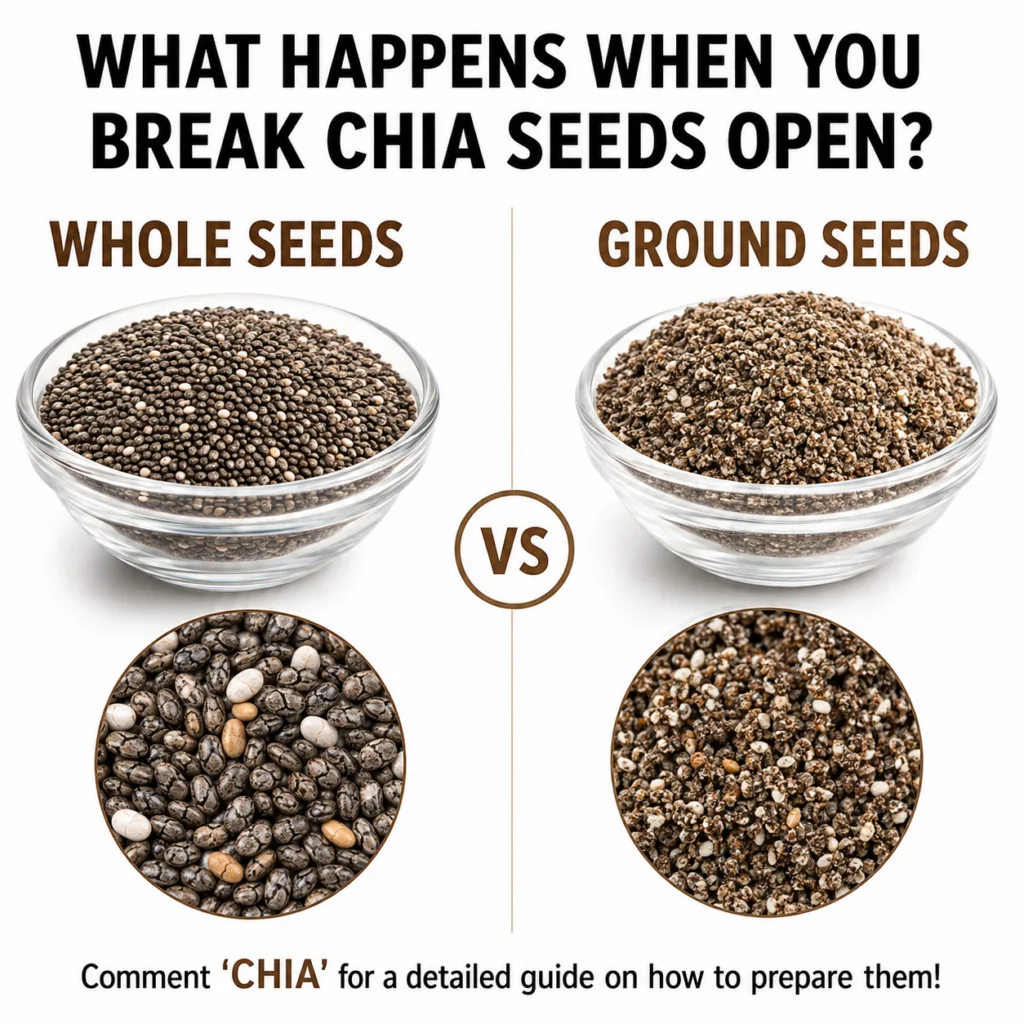
Whole chia seeds are the most common form found in grocery stores. These tiny, oval seeds have a hard outer shell that, when consumed, remains largely intact until it reaches the digestive tract. This structural integrity is responsible for many of their unique health benefits.
How Whole Chia Seeds Work
- Fiber Powerhouse: When whole chia seeds come into contact with liquid, their outer layer absorbs water, forming a gelatinous coating. This soluble fiber creates a gel-like consistency, which is excellent for digestive health.
- Sustained Energy Release: The fiber content in whole chia seeds helps slow down the digestion and absorption of carbohydrates, leading to a more gradual release of glucose into the bloodstream. This can contribute to stable blood sugar levels and sustained energy.
- Digestive Support: The insoluble fiber acts as a prebiotic, supporting a healthy gut microbiome and promoting regularity. This makes them an excellent choice for foods for digestion.
Best Ways to Enjoy Whole Chia Seeds
To fully harness the benefits of whole chia seeds, proper hydration is essential. Soaking them before consumption is highly recommended.
- Chia Pudding: Combine 2 tablespoons of whole chia seeds with 1/2 cup of your preferred milk (dairy or non-dairy) and a touch of sweetener. Stir well and refrigerate for at least 2 hours, or overnight, until a thick pudding forms.
- Overnight Oats: Mix whole chia seeds into your overnight oats recipe to boost fiber and create a thicker texture.
- Smoothies: Add 1-2 tablespoons of whole chia seeds to your blender with fruits, vegetables, and liquid for an extra nutritional kick and creamy consistency.
- Thickener: Use them to thicken soups, sauces, or homemade jams naturally.
Maximizing Nutrient Absorption with Ground Chia Seeds
Ground chia seeds, also known as chia flour, are created by milling the whole seeds into a fine powder. This process breaks open the hard outer shell, making the internal nutrients more readily available for absorption.
Why Ground Chia Seeds Matter for Absorption
- Enhanced Omega-3 Absorption: The primary advantage of ground chia seeds is the increased bioavailability of their omega-3 fatty acids (alpha-linolenic acid or ALA). While whole seeds still provide ALA, the intact shell can sometimes hinder the body’s ability to absorb these beneficial fats efficiently. Grinding exposes them, making them easier for your digestive system to access.
- Easier Digestion for Some: For individuals with sensitive digestive systems or those who find whole seeds difficult to digest, the ground form can be a gentler option while still delivering significant nutritional value.
Optimal Uses for Ground Chia Seeds
Ground chia seeds integrate seamlessly into a variety of dishes, often without altering the texture significantly.
- Baking: Substitute a portion of flour in baked goods like muffins, breads, or cookies with ground chia seeds for an omega-3 and fiber boost.
- Smoothies & Shakes: Unlike whole seeds, ground chia blends completely into smoothies, offering nutrients without altering the drink’s texture. An excellent addition to high protein shakes.
- Topping: Sprinkle ground chia over yogurt, cereal, oatmeal, or salads.
- Egg Substitute: For vegan baking, combine 1 tablespoon of ground chia seeds with 3 tablespoons of water, let it sit for 5 minutes, and use it as an egg replacement.
Whole vs. Ground: A Nutritional Showdown
Let’s break down the key differences to help you make an informed choice:
| Feature | Whole Chia Seeds | Ground Chia Seeds |
|---|---|---|
| Fiber Content | High, contributes to bulk and satiety, supports digestion. | High, but the soluble fiber may not form as prominent a gel. |
| Omega-3 Absorption | Good, but the hard shell can make absorption less efficient. | Enhanced absorption due to broken shell, making ALA more accessible. |
| Digestion | Can be slower due to intact fiber, some may find it challenging. | Generally easier to digest, especially for sensitive stomachs. |
| Texture | Gel-like and slightly crunchy when soaked. | Powdery, blends smoothly into foods without noticeable texture. |
| Shelf Life | Longer, less prone to oxidation due to intact shell. | Slightly shorter, more susceptible to oxidation; best stored in an airtight container in the fridge or freezer. |
| Culinary Uses | Puddings, overnight oats, thickeners. | Baking, smoothies, direct sprinkling, egg substitute. |
Choosing Your Best Chia Seed Companion
The choice between whole and ground chia seeds ultimately depends on your health goals and how you plan to use them. For those primarily focused on digestive health, satiety, and a gradual energy release, whole chia seeds are an excellent option, especially when properly soaked to activate their gel-forming properties. For individuals looking to maximize their omega-3 intake, particularly if they have concerns about nutrient absorption, or those who prefer a smoother texture in their foods, ground chia seeds may be the better choice. Many people find success by incorporating both forms into their diet, enjoying the distinct benefits each offers.
Frequently Asked Questions About Chia Seeds
Are chia seeds better whole or ground for weight loss?
Both whole and ground chia seeds can support weight loss efforts as part of a balanced diet. Their high fiber content promotes satiety, which can help reduce overall calorie intake. Whole chia seeds may offer a slight edge in promoting fullness due to their greater gel-forming capacity when soaked.
Do I need to soak ground chia seeds?
No, you do not need to soak ground chia seeds. Since their outer shell is already broken, the nutrients are readily available. You can add them directly to smoothies, baked goods, or sprinkle them on food.
Can I grind whole chia seeds at home?
Yes, you can easily grind whole chia seeds at home using a coffee grinder or a powerful blender. Grind them just before use for maximum freshness and nutrient preservation.
What are the best chia seeds to buy?
Look for organic, non-GMO chia seeds from reputable brands. Both whole and pre-ground options are widely available, so choose based on your preference and intended use. When buying pre-ground, ensure it’s in an opaque, airtight package to protect against oxidation.
Final Thoughts
Whether you opt for whole or ground, incorporating chia seeds into your diet is a smart move for your health. Both forms offer a wealth of nutrients, contributing to better digestion, heart health, and sustained energy. By understanding their unique properties and choosing the preparation method that best suits your needs, you can truly unlock the optimal benefits of these incredible superfoods. Experiment with both to discover your favorite ways to enjoy them and elevate your daily nutrition.