Imagine settling down with a warm, fragrant cup, not just for comfort, but for a hidden boost to your well-being. What if that simple daily ritual could unlock some of nature’s most powerful secrets for vibrant health? For centuries, cultures around the world have turned to herbal infusions, often called ‘teas,’ not just for their delightful flavors, but for their remarkable ability to nurture the body and calm the spirit. Are you ready to discover the incredible potential brewing in your mug?
Why This Matters
In our modern lives, we’re constantly seeking gentle, natural ways to support our health and enhance our vitality. Perhaps you’ve felt that nagging stress after a long day, or a slight digestive discomfort, and wondered if there’s a simple, accessible solution. This is where the ancient wisdom of herbal teas truly shines! Many people are rediscovering these botanical brews as a cornerstone of a natural wellness lifestyle, moving beyond the idea of tea as just a beverage to embrace it as a source of gentle remedies and daily nourishment.
Forget complicated routines; integrating herbal teas into your day can be a wonderfully easy and enjoyable step towards feeling your best. Whether you’re a seasoned natural wellness enthusiast or just beginning your journey, understanding the unique gifts each herb offers can empower you to craft the perfect brew for your unique needs.
Main Educational Content: Your Herbal Allies
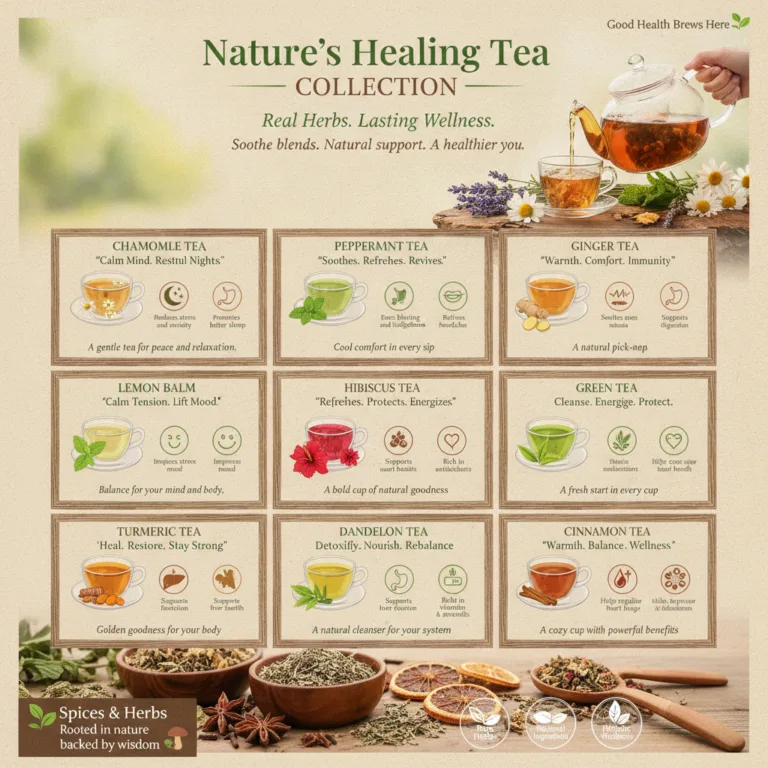
Herbal teas are essentially infusions made from the leaves, flowers, roots, or seeds of various plants. Unlike true tea (which comes from the Camellia sinensis plant), these ’tisanes’ are caffeine-free and offer a spectrum of unique compounds that interact with our bodies in beneficial ways. Let’s explore some popular choices that can become wonderful additions to your daily routine:
Calming Chamomile: The Gentle Soother
Perhaps one of the most beloved bedtime brews, chamomile (Matricaria chamomilla) is cherished for its ability to bring tranquility.
- Traditional Use: For centuries, chamomile has been used to ease anxiety, improve sleep quality, and calm digestive upset.
- Key Compounds: It contains compounds like apigenin, which is thought to contribute to its mild sedative effects.
- Potential Benefits: Many find it helpful for relaxation, reducing mild stress, and promoting a more restful night’s sleep. Some studies also suggest it may support healthy digestion.
Soothing Ginger: The Warming Invigorator
More than just a spicy root for cooking, ginger (Zingiber officinale) makes a potent and warming tea.
- Traditional Use: Ginger has a long history in various traditional medicine systems for its digestive and anti-inflammatory properties, often used to soothe nausea and support circulation.
- Key Compounds: Gingerols and shogaols are the primary bioactive compounds responsible for ginger’s distinctive flavor and many of its health-supporting qualities.
- Potential Benefits: It’s widely appreciated for its ability to calm an upset stomach, alleviate occasional nausea, and offer a comforting warmth that may support the body during cold weather.
Vibrant Hibiscus: The Tart & Refreshing Brew
Known for its beautiful deep red hue and tart flavor, hibiscus tea (made from the calyces of Hibiscus sabdariffa) is a refreshing choice.
- Traditional Use: Historically, hibiscus has been used to support hydration and in some cultures, to help manage blood pressure.
- Key Compounds: Rich in antioxidants, especially anthocyanins, which give it its vibrant color.
- Potential Benefits: Beyond its refreshing taste, hibiscus is noted for its high antioxidant content, which may help protect cells from oxidative stress. Some research suggests it may contribute to maintaining healthy blood pressure levels already within a normal range.
Practical Guide: Brewing Your Perfect Cup
Brewing herbal tea is a simple pleasure that can be tailored to your taste and the herb you’re using.
- Water Quality: Start with fresh, filtered water for the best flavor.
- Temperature: Most herbal teas benefit from boiling water (212°F or 100°C).
- Steeping Time: This is key to extracting flavor and beneficial compounds.
- Delicate herbs (chamomile, peppermint): 5-7 minutes.
- Hardier parts (ginger root, hibiscus, bark): 10-15 minutes, or even longer for a stronger infusion.
- Ratio: Generally, 1 teaspoon of dried herbs or 1 tablespoon of fresh herbs per 8 ounces of water. Adjust to your desired strength.
- Cover Your Brew: Placing a lid on your cup or teapot while steeping helps trap the volatile oils, enhancing flavor and potency.
- Sweeteners & Additions: A touch of honey, a squeeze of lemon, or a slice of fresh orange can beautifully complement many herbal teas.
- Storage: Store dried herbs in airtight containers away from light, heat, and moisture to maintain their freshness and potency.
Safety & Precautions
While generally safe for most individuals, it’s always wise to approach herbal remedies with awareness:
- Consult Your Healthcare Professional: If you are pregnant, breastfeeding, on medication, or have existing medical conditions, it’s crucial to speak with your doctor before regularly incorporating new herbal teas into your routine.
- Allergies: Be aware of potential allergies to specific plants. For example, individuals allergic to ragweed may also be sensitive to chamomile.
- Interactions: Some herbs can interact with medications. For instance, hibiscus may influence blood pressure medication.
- Start Small: Begin with small amounts to see how your body responds.
Key Takeaways
- Herbal teas offer a delightful and natural way to support overall wellness.
- Chamomile is traditionally used for relaxation and digestive comfort.
- Ginger is known for its soothing properties, particularly for digestion.
- Hibiscus provides antioxidants and a refreshing, tart flavor.
- Proper brewing techniques enhance flavor and potency.
- Always consult a healthcare professional if you have health concerns or are on medication before adding new herbal remedies to your routine.
FAQ
Q1: Are herbal teas as effective as traditional medicine?
A1: Herbal teas are generally considered complementary wellness supports, not replacements for medical treatment. They can help maintain health and alleviate minor discomforts, but for serious conditions, always consult a healthcare professional.
Q2: Can I drink herbal tea every day?
A2: Many herbal teas are safe for daily consumption, but it’s always good to vary your choices and listen to your body. If you’re unsure about a specific herb, consult with a health professional.
Q3: Is ‘herbal tea’ the same as ‘tea’?
A3: Technically, no. ‘Tea’ refers specifically to beverages made from the Camellia sinensis plant (black, green, white, oolong). ‘Herbal tea’ or ’tisane’ refers to infusions made from other plants, such as herbs, spices, fruits, or flowers.
Q4: Can herbal teas help with weight loss?
A4: While some herbal teas might indirectly support metabolism or digestion, they are not a magic solution for weight loss. A balanced diet and regular exercise are fundamental. However, they can be a healthy, calorie-free alternative to sugary drinks.
Related Reading
Ready to deepen your natural wellness journey? Explore these related articles:
- The Power of Anti-Inflammatory Foods in Your Daily Diet
- Simple Home Remedies for Common Ailments
- Boosting Your Immune System Naturally: A Practical Guide
- Embracing a Holistic Approach to Healthy Aging
- Understanding Gut Health: The Foundation of Wellness