Ever found yourself staring at a bunch of bananas, wondering which one is just right for you? From bright green and firm to spotted and soft, bananas change a lot as they ripen. These changes aren’t just about taste and texture; they also affect the nutritional profile of this popular fruit.
Understanding the different stages of banana ripeness can help you tailor your snack choice to your health goals. Whether you’re looking to support gut health, manage blood sugar, or get an antioxidant boost, there’s a banana stage for you! This guide will walk you through each stage, explaining the unique benefits and best uses for every kind of banana.
The Science of Banana Ripeness
As a banana ripens, its complex carbohydrates (starches) break down into simpler sugars. This process not only makes the banana sweeter and softer but also alters its fiber content and antioxidant levels. Let’s peel back the layers and explore what each stage has to offer.
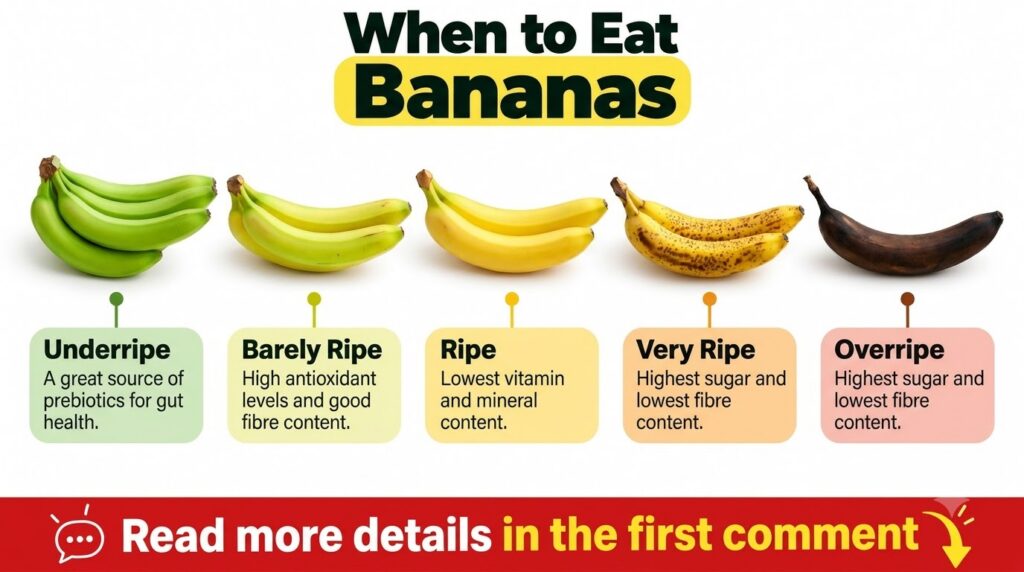
Green Bananas: The Gut Health Hero
Green bananas are underripe and firm. They are less sweet and have a slightly starchy, almost bitter taste. Their firm texture is due to their high content of resistant starch.
- Nutritional Snapshot: High in resistant starch, lower in sugar.
- Benefits: Resistant starch acts as a prebiotic, feeding beneficial gut bacteria and supporting digestive health. It may also help improve blood sugar control by slowing down digestion and sugar absorption.
- Best For: Individuals looking to support gut health, manage blood sugar levels, or those on a low-sugar diet.
Yellow Bananas: Sweet & Balanced
As bananas ripen to a full yellow color, they become sweeter and softer. Most of the resistant starch has converted into simple sugars, making them easier to digest.
- Nutritional Snapshot: Good balance of natural sugars, moderate fiber, and essential nutrients like potassium and Vitamin B6.
- Benefits: Provides easily digestible energy, making it a great pre-workout snack. The potassium supports heart health and muscle function, while Vitamin B6 is crucial for metabolism.
- Best For: General everyday consumption, quick energy boosts, and a good source of essential vitamins and minerals.
Spotted Bananas: The Antioxidant Powerhouse
Yellow bananas with brown spots indicate they are at peak ripeness. They are very sweet, soft, and have a distinct aroma.
- Nutritional Snapshot: Higher in simple sugars, increased antioxidant levels.
- Benefits: Easier to digest due to lower starch content. Research suggests that as bananas ripen and develop spots, their antioxidant levels may increase, potentially helping to protect cells from damage.
- Best For: Smoothies, baking, quick sweet snacks, and for those who prefer very soft and sweet fruit.
Brown Bananas: Beyond Browning
When a banana’s skin turns mostly brown or black, it’s very ripe, almost mushy. While some might toss them, these bananas are packed with sweetness.
- Nutritional Snapshot: Almost all starch converted to simple sugars, making them extremely sweet.
- Benefits: Exceptionally sweet, making them perfect for natural sweeteners in baking (e.g., banana bread, muffins). They are also very easy to mash and blend.
- Best For: Baking, making banana ice cream, or adding natural sweetness to oatmeal and smoothies without added sugar.
Banana Ripeness: A Quick Comparison
| Ripeness Stage | Calories (approx. 1 medium) | Protein (g) | Carbs (g) | Sugar (g) | Fiber (g) | Main Nutrients | Best Benefit |
|---|---|---|---|---|---|---|---|
| Green | 105 | 1.3 | 27 | 12 | 3.1 | Resistant Starch, Potassium | Gut Health, Blood Sugar Control |
| Yellow | 105 | 1.3 | 27 | 14 | 3.1 | Potassium, Vitamin B6, Vitamin C | Balanced Energy, General Nutrition |
| Spotted | 105 | 1.3 | 27 | 17 | 2.6 | Antioxidants, Potassium, Vitamin B6 | Easy Digestion, Antioxidant Boost |
| Brown | 105 | 1.3 | 27 | 20 | 2.3 | Potassium, Natural Sweetness | Baking, Natural Sweetener |
Practical Tips for Enjoying Bananas
- Choosing the Right Banana: Think about your immediate needs. Green for sustained energy and gut health, yellow for a balanced snack, spotted for a sweet treat, and brown for baking.
- Storage: Store bananas at room temperature. To slow ripening, keep them away from other fruits. To speed it up, place them in a paper bag with an apple or tomato. For brown bananas, peel and freeze them for later use in smoothies or baking.
- Versatile Uses: Don’t limit yourself to eating them plain. Add green banana flour to smoothies for a resistant starch boost, slice yellow bananas into your cereal, blend spotted bananas into creamy nice cream, or bake brown bananas into delicious bread.
FAQs About Banana Ripeness
Are green bananas harder to digest?
Green bananas contain resistant starch, which isn’t fully broken down in the small intestine. This makes them digest differently than ripe bananas, but it’s beneficial for gut health, not necessarily ‘harder’ in a negative way.
Do brown spots on bananas mean they’re bad?
No, brown spots indicate peak ripeness and increased sweetness. While the texture becomes softer, they are still perfectly safe and often more beneficial due to higher antioxidant levels.
Can I freeze ripe bananas?
Absolutely! Peel ripe or overripe bananas, cut them into chunks, and freeze them in an airtight container. They’re perfect for smoothies,

