We often think about what we eat in terms of physical appearance or energy levels, but have you ever considered the profound impact your daily snacks and meals have on your brain? Just as certain foods nourish our bodies, others can silently contribute to cognitive decline over time. Understanding this connection is a powerful step towards a sharper mind and a healthier you.
Many common foods, often found in our pantries and refrigerators, are linked to issues like reduced memory, poor concentration, and even affecting our mood. But don’t worry, gaining awareness is the first step! Let’s explore which foods might be less-than-friendly to your brain and what simple swaps you can make to protect your cognitive vitality.

The Silent Impact: Foods to Reconsider for Brain Health
Our brain is an incredible organ, constantly working to process information, regulate emotions, and keep us functioning. It consumes a significant amount of our daily energy and nutrients. When we fuel it with foods that cause inflammation, blood sugar imbalances, or nutrient deficiencies, it can struggle to perform at its best. Here are some common culprits:
1. Sugary Treats: More Than Just a Sweet Indulgence
Think about those tempting donuts, candies, and cupcakes. While they offer a momentary burst of pleasure, their high sugar content can have a less-than-sweet effect on your brain. Excessive sugar intake is linked to impaired memory and learning, and it can also contribute to inflammation and oxidative stress, which are damaging to brain cells.
- The Problem: Rapid spikes and crashes in blood sugar, increased inflammation, and potential for insulin resistance in the brain.
- Healthy Swap: Opt for natural sweetness from fresh fruits like berries or apples, a small piece of dark chocolate (70% cocoa or higher), or a homemade fruit-infused water.
2. Sugary Drinks: Your Brain’s Unsweetened Foe
Sodas, sweetened teas, and fruit juices often pack a surprising amount of added sugar. Much like sugary treats, these beverages can lead to blood sugar imbalances and inflammation. Regular consumption has been associated with a higher risk of cognitive issues and memory problems.
- The Problem: Direct delivery of large amounts of sugar to the bloodstream, contributing to brain fog and long-term cognitive concerns.
- Healthy Swap: Water is always best! Try making your own fruit-infused water with slices of cucumber, lemon, or berries, or enjoy unsweetened herbal teas.
3. Ultra-Processed Foods: The Convenient Compromise
Chips, instant noodles, packaged cookies, and many frozen meals are designed for convenience, but they often contain high levels of unhealthy fats, added sugars, sodium, and artificial ingredients. These foods can lead to systemic inflammation throughout the body, including the brain, and may contribute to a less diverse and healthy gut microbiome, which is increasingly linked to brain health.
- The Problem: Lacking essential nutrients, high in inflammatory ingredients, and potentially disrupting gut-brain communication.
- Healthy Swap: Choose whole, unprocessed snacks like nuts, seeds, fresh vegetables with hummus, or a piece of fruit. Prepare simple, homemade meals using fresh ingredients.
4. Processed Meats: A Risky Choice for Cognitive Function
Bacon, sausages, deli meats, and hot dogs often contain high levels of saturated fats, sodium, nitrates, and other preservatives. Research suggests that diets high in these types of foods can contribute to inflammation and oxidative stress, which may negatively impact brain health and increase the risk of cognitive decline.
- The Problem: Contributing to inflammation and containing compounds that can be detrimental to brain cells.
- Healthy Swap: Lean protein sources like fish (especially fatty fish rich in Omega-3s), organic chicken, beans, lentils, or plant-based proteins are excellent alternatives.
Nourishing Your Mind: Foods for a Sharper Brain
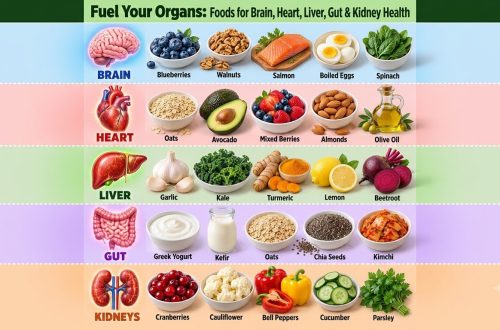
Now that we know what to reduce, let’s focus on the good stuff! A diet rich in whole, unprocessed foods can significantly support brain health. Consider incorporating more of these brain-loving ingredients:
- Berries: Blueberries, strawberries, and raspberries are packed with antioxidants that protect brain cells.
- Fatty Fish: Salmon, mackerel, and sardines are rich in Omega-3 fatty acids, crucial for brain structure and function.
- Leafy Green Vegetables: Spinach, kale, and collards are full of vitamins and nutrients that slow cognitive decline.
- Nuts and Seeds: Walnuts, almonds, chia seeds, and flaxseeds provide healthy fats, antioxidants, and vitamin E.
- Whole Grains: Oats, brown rice, and quinoa provide a steady supply of glucose, the brain’s primary fuel.
Take Control of Your Brain Health Today
Making conscious food choices is one of the most powerful ways to support your brain’s long-term health and vitality. It’s not about strict diets, but about making informed, consistent choices that nourish your entire being. By reducing your intake of sugary treats, sugary drinks, ultra-processed foods, and processed meats, and embracing more whole, natural ingredients, you’re investing in a sharper mind and a healthier future.
What’s one small change you can make this week to support your brain health? Share your thoughts in the comments!