Unlock the Power of Vitamin K: Benefits, Sources & More
Have you ever wondered about the hidden heroes in your healthy diet? Today, we’re shining a spotlight on Vitamin K, a powerful nutrient that often flies under the radar but plays a crucial role in keeping you healthy. From maintaining strong bones to ensuring proper blood clotting, Vitamin K is an unsung superstar.
In this article, we’ll dive deep into what Vitamin K is, why it’s so important for your body, and which delicious foods are packed with this vital nutrient. Get ready to learn how to effortlessly incorporate more Vitamin K into your meals and boost your overall wellness!
What is Vitamin K? The Essential Nutrient Explained
Vitamin K is a fat-soluble vitamin, meaning it’s best absorbed when consumed with dietary fats. It’s not a single compound but rather a group of compounds, with the two most important forms being:
- Vitamin K1 (phylloquinone): Primarily found in plant foods, especially leafy green vegetables.
- Vitamin K2 (menaquinone): Found in animal products and fermented foods, and also produced by bacteria in your gut.
Both forms are vital, but they have slightly different roles and sources, making it important to get a variety of foods in your diet.
Key Benefits of Vitamin K for Your Health
Vitamin K is involved in several critical bodily functions. Here are some of its most important roles:
1. Essential for Blood Clotting
Perhaps Vitamin K’s most well-known function is its role in blood coagulation. It’s crucial for producing several proteins that allow your blood to clot properly, preventing excessive bleeding from injuries. Without sufficient Vitamin K, your body struggles to stop bleeding, even from minor cuts.
2. Supports Strong Bones
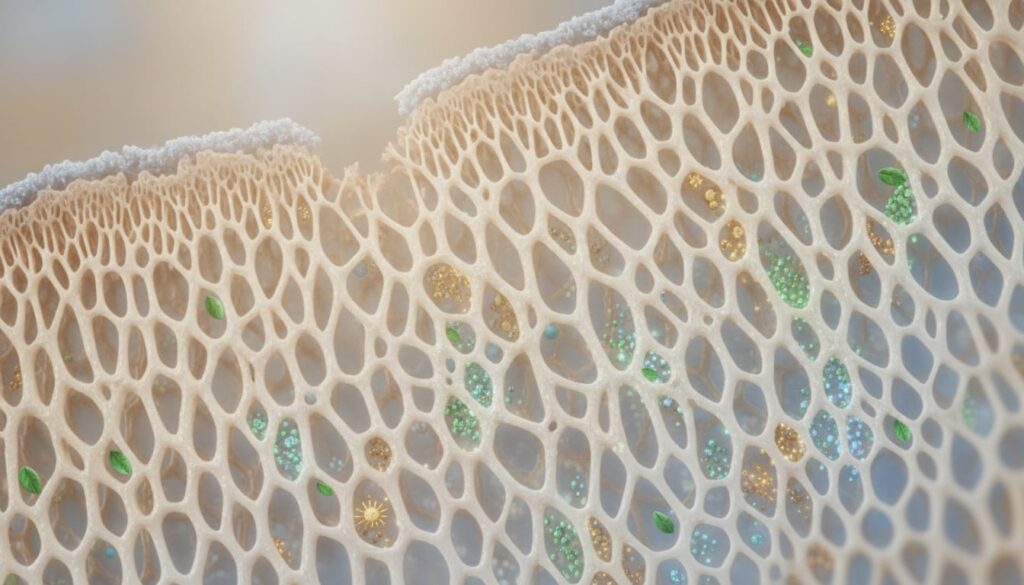
Beyond blood clotting, Vitamin K is a silent guardian of your skeletal system. Research suggests it plays a significant role in bone health by activating proteins, such as osteocalcin, which help integrate calcium into your bone matrix. Adequate Vitamin K intake is associated with stronger bones and a reduced risk of fractures, especially as you age.
3. Promotes Heart Health
Emerging research indicates that Vitamin K2, in particular, may play a role in cardiovascular health. It’s thought to help direct calcium to your bones and away from soft tissues like arteries, potentially preventing arterial calcification. This process can contribute to more flexible arteries and a healthier heart.
Top Foods Rich in Vitamin K
Incorporating Vitamin K-rich foods into your diet is simpler than you might think. Here’s a look at some of the best sources:
For Vitamin K1 (Phylloquinone):
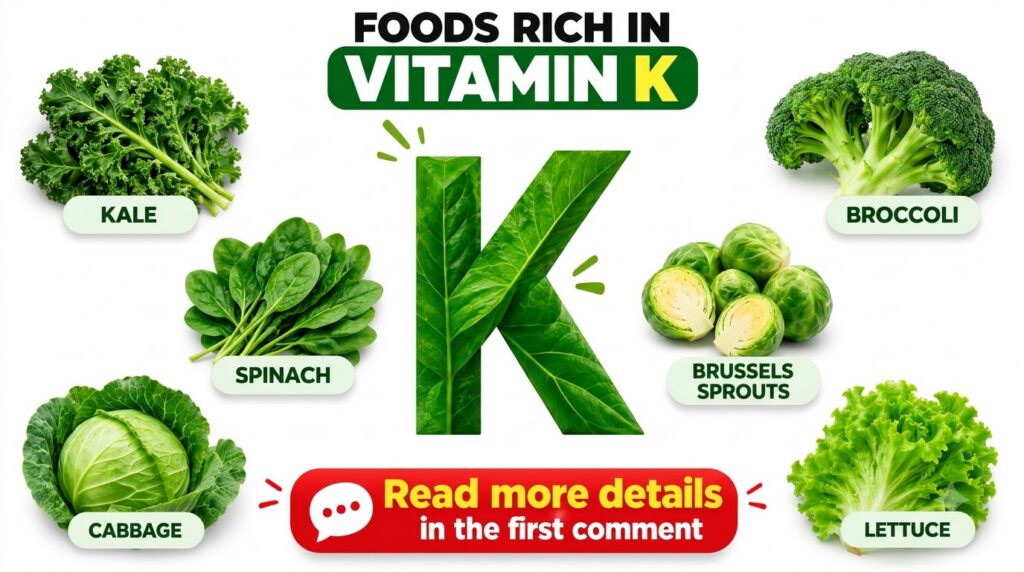
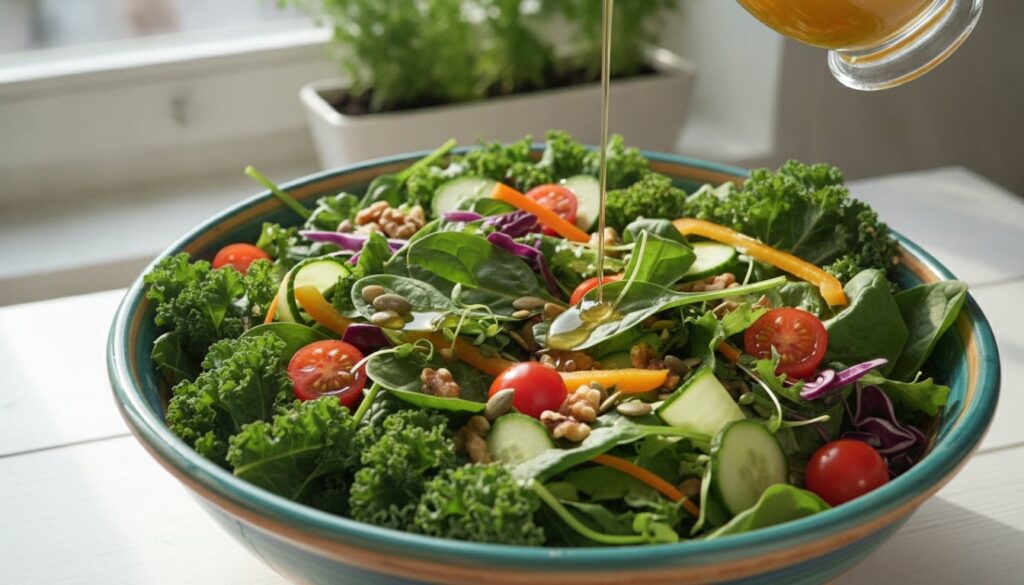
- Leafy Greens: Kale, spinach, collard greens, turnip greens, Swiss chard, mustard greens, and romaine lettuce are absolute powerhouses.
- Cruciferous Vegetables: Broccoli, Brussels sprouts, and cabbage also offer a good amount of Vitamin K1.
- Herbs: Parsley and cilantro are surprisingly high in Vitamin K.
For Vitamin K2 (Menaquinone):
- Natto: A traditional Japanese fermented soybean dish, natto is exceptionally rich in K2.
- Certain Cheeses: Hard and soft cheeses, especially gouda and brie, contain varying amounts of K2.
- Egg Yolks: A good source, particularly from pasture-raised chickens.
- Organ Meats: Liver from grass-fed animals.
How to Maximize Your Vitamin K Intake
Getting enough Vitamin K doesn’t have to be complicated. Here are some practical tips:
- Embrace Leafy Greens: Make them a staple in your daily meals. Add spinach to smoothies, kale to stir-fries, or a generous portion of mixed greens to your salad.
- Cook with Healthy Fats: Since Vitamin K is fat-soluble, consuming K-rich foods with a small amount of healthy fat (like olive oil or avocado) can enhance absorption.
- Vary Your Vegetables: Don’t stick to just one green! Enjoy a colorful array of K1-rich vegetables throughout the week.
- Explore Fermented Foods: If you’re adventurous, try natto. Otherwise, incorporating cheeses like Gouda can contribute to your K2 intake.
Potential Risks and Considerations
While Vitamin K is essential, it’s important to be aware of potential interactions, especially if you are on certain medications:
- Blood Thinners: If you take anticoagulant medications like warfarin (Coumadin), consistent Vitamin K intake is crucial. Large fluctuations in Vitamin K can interfere with these medications, so consult your doctor or a dietitian about your dietary intake.
- Deficiency: Vitamin K deficiency is rare in healthy adults but can occur in individuals with certain malabsorption disorders or those taking medications that interfere with Vitamin K metabolism. Symptoms may include easy bruising, nosebleeds, and excessive bleeding.
This content is for educational purposes only and should not be considered medical advice. Consult a qualified healthcare professional for personalized dietary recommendations.
Frequently Asked Questions About Vitamin K
Q1: What is Vitamin K good for?
Vitamin K is primarily known for its role in blood clotting and is also crucial for maintaining strong bones and supporting heart health.
Q2: What are the best sources of Vitamin K?
Excellent sources of Vitamin K1 include leafy green vegetables like kale, spinach, and collard greens, as well as broccoli and Brussels sprouts. For Vitamin K2, natto, certain cheeses, and egg yolks are good options.
Q3: Is there a difference between K1 and K2?
Yes, Vitamin K1 (phylloquinone) is found mostly in plants and is primarily involved in blood clotting. Vitamin K2 (menaquinone) is found in animal products and fermented foods and plays a greater role in bone and heart health.
Q4: Can I get too much Vitamin K?
It’s very difficult to consume too much Vitamin K from food alone. The body efficiently regulates its absorption. However, high doses of synthetic Vitamin K (menadione or K3, not typically found in supplements) can be toxic.
Q5: Who should be careful with Vitamin K intake?
Individuals taking blood-thinning medications like warfarin need to maintain a consistent Vitamin K intake and should consult their doctor or a dietitian about dietary changes.
Q6: Does cooking affect Vitamin K content?
Cooking methods generally have little impact on Vitamin K content. In fact, some cooking with a small amount of fat can even improve its absorption.
Q7: What are the signs of Vitamin K deficiency?
Signs of Vitamin K deficiency can include easy bruising, nosebleeds, bleeding gums, and excessive bleeding from wounds.
Q8: Is Vitamin K found in fruits?
Some fruits, such as blueberries and grapes, contain small amounts of Vitamin K, but leafy green vegetables remain the most potent fruit and vegetable sources.
Conclusion
Vitamin K, though often overlooked, is a powerhouse nutrient essential for many vital bodily functions, from ensuring proper blood clotting to supporting bone and heart health. By simply incorporating more leafy green vegetables, cruciferous veggies, and a few fermented foods into your diet, you can easily boost your intake of this incredible vitamin.
Start unlocking the power of Vitamin K today and take a significant step towards a healthier you! Explore more of our healthy food content to discover other ways to nourish your body.