Are you looking to boost your energy, support muscle health, and feel more satisfied after meals? Protein is a fundamental nutrient that plays a crucial role in our bodies, and incorporating enough of it is key to a healthy, strong lifestyle. From building and repairing tissues to producing enzymes and hormones, protein is truly a powerhouse nutrient.
In this article, we’ll explore 12 incredible protein-rich foods that you can easily add to your plate. Whether you’re a seasoned athlete, a busy parent, or simply looking to make healthier food choices, understanding where to find quality protein can make a big difference. Get ready to discover delicious and effective ways to fuel your body and unlock your strength!
Why Protein Matters for Your Health
Protein is more than just a nutrient for bodybuilders. It’s essential for everyone! Here’s a quick look at why:
- Muscle Growth and Repair: Protein provides the building blocks (amino acids) your body needs to repair muscle tissue after exercise and to build new muscle.
- Satiety and Weight Management: Protein helps you feel full longer, which can reduce snacking and support healthy weight management goals.
- Bone Health: Research suggests adequate protein intake is associated with maintaining bone density.
- Enzyme and Hormone Production: Many enzymes and hormones, vital for numerous bodily functions, are made from protein.
- Immune Function: Antibodies, which help fight off infections, are proteins.
How Much Protein Do You Need?
The recommended dietary allowance (RDA) for protein is 0.8 grams of protein per kilogram of body weight. However, this is a minimum to prevent deficiency. Active individuals, older adults, and those looking to build muscle may benefit from higher intakes, often ranging from 1.2 to 2.0 grams per kilogram of body weight.
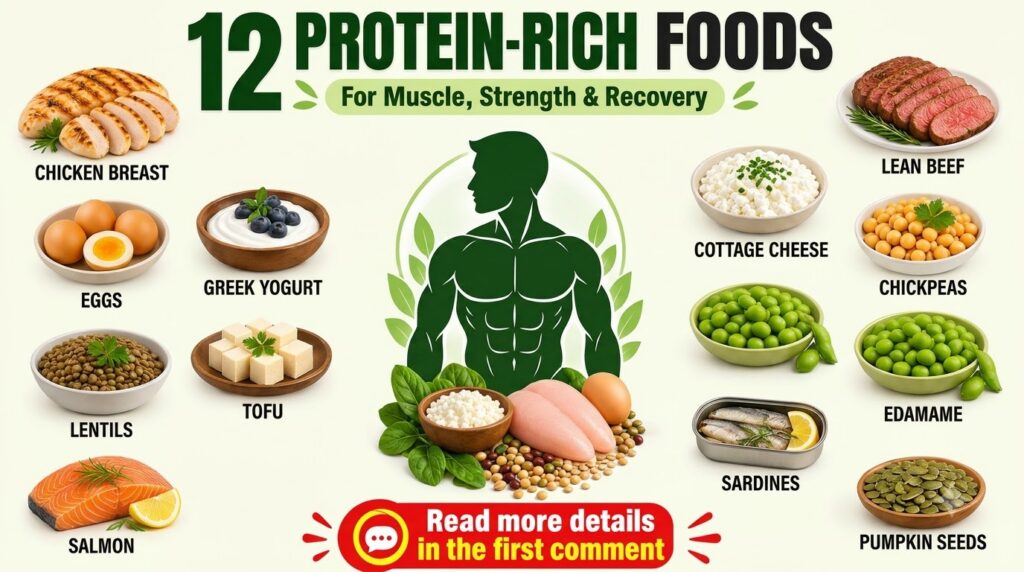
12 Protein Powerhouses to Boost Your Diet
Ready to load up on protein? Here are 12 fantastic sources, perfect for any meal or snack.
1. Grilled Chicken Breast
A classic for a reason, chicken breast is lean, versatile, and packed with protein. It’s also a great source of B vitamins and selenium.
- Nutrition Highlight: Around 25-30g protein per 3oz serving.
- Why it’s a Powerhouse: Low in fat, highly digestible, and excellent for muscle building.
- Best Ways to Eat: Grilled, baked, shredded in salads, stir-fries, or sandwiches.
2. Eggs
Often called nature’s multivitamin, eggs contain all nine essential amino acids, making them a complete protein source. They are also rich in choline, important for brain health.
- Nutrition Highlight: About 6g protein per large egg.
- Why it’s a Powerhouse: Affordable, versatile, and nutrient-dense.
- Best Ways to Eat: Scrambled, boiled, poached, fried, or in omelets.

3. Lentils
These humble legumes are a fantastic plant-based protein source, also high in fiber, which aids digestion and promotes satiety. They are incredibly versatile and economical.
- Nutrition Highlight: Around 18g protein per cup (cooked).
- Why it’s a Powerhouse: Plant-based, high in fiber, iron, and folate.
- Best Ways to Eat: Soups, stews, salads, curries, or as a meat substitute.
4. Salmon
Beyond its high protein content, salmon is famous for its omega-3 fatty acids, which support heart health and brain function.
- Nutrition Highlight: About 22g protein per 3oz serving.
- Why it’s a Powerhouse: Rich in omega-3s, vitamin D, and B vitamins.
- Best Ways to Eat: Baked, grilled, pan-seared, or flaked into salads.
5. Lean Beef
Lean cuts of beef provide high-quality protein, iron (especially heme iron, which is easily absorbed), zinc, and B vitamins, all crucial for energy and red blood cell production.
- Nutrition Highlight: Around 25g protein per 3oz serving.
- Why it’s a Powerhouse: Excellent source of bioavailable iron and zinc.
- Best Ways to Eat: Stir-fries, lean ground beef in chilis, grilled steaks, or roasts.
6. Pumpkin Seeds
These small but mighty seeds are a great plant-based protein source, also offering healthy fats, magnesium, and zinc.
- Nutrition Highlight: About 8g protein per 1/4 cup.
- Why it’s a Powerhouse: Nutrient-dense, good for heart health and sleep.
- Best Ways to Eat: Sprinkled on salads, oatmeal, yogurt, or as a snack.
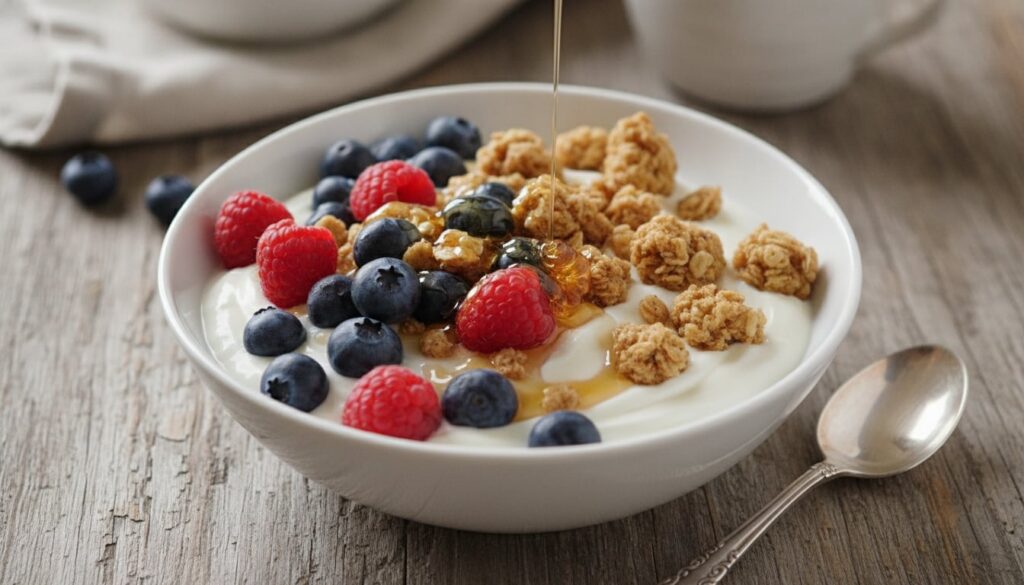
7. Greek Yogurt
Thicker and tangier than regular yogurt, Greek yogurt undergoes a straining process that concentrates its protein content. It’s also a probiotic powerhouse for gut health.
- Nutrition Highlight: 15-20g protein per 6oz serving.
- Why it’s a Powerhouse: High in probiotics, calcium, and promotes satiety.
- Best Ways to Eat: With fruit and granola, in smoothies, or as a sour cream substitute.
8. Tuna
Canned tuna is a convenient, affordable, and excellent source of lean protein. It’s also rich in omega-3s (especially albacore) and vitamin D.
- Nutrition Highlight: Around 20g protein per 3oz serving.
- Why it’s a Powerhouse: Quick meal solution, rich in omega-3s.
- Best Ways to Eat: In salads, sandwiches, tuna melts, or pasta dishes.
9. Quinoa
Often mistaken for a grain, quinoa is actually a seed that stands out as one of the few plant-based complete proteins, containing all nine essential amino acids.
- Nutrition Highlight: About 8g protein per cup (cooked).
- Why it’s a Powerhouse: Complete plant-based protein, high in fiber and minerals.
- Best Ways to Eat: As a side dish, in salads, breakfast bowls, or stuffed vegetables.
10. Almonds
These popular nuts are not only delicious but also offer a good amount of protein, healthy monounsaturated fats, fiber, and vitamin E.
- Nutrition Highlight: Around 6g protein per 1/4 cup (about 23 almonds).
- Why it’s a Powerhouse: Healthy fats, fiber, and antioxidants.
- Best Ways to Eat: As a snack, in trail mix, sprinkled on yogurt, or as almond butter.
11. Cottage Cheese
Similar to Greek yogurt, cottage cheese is a dairy product known for its high protein content, particularly casein protein, which digests slowly and provides a steady release of amino acids.
- Nutrition Highlight: 12-14g protein per 1/2 cup.
- Why it’s a Powerhouse: Slow-digesting protein, high in calcium.
- Best Ways to Eat: With fruit, vegetables, on toast, or as a savory snack.
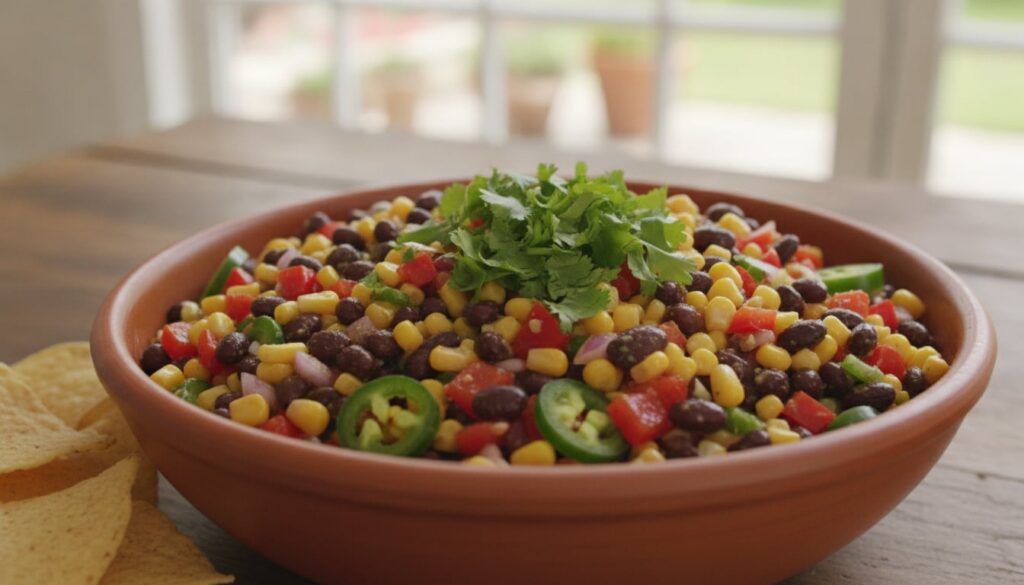
12. Black Beans
Another excellent plant-based option, black beans are loaded with protein, fiber, and various vitamins and minerals, including iron and magnesium.
- Nutrition Highlight: About 15g protein per cup (cooked).
- Why it’s a Powerhouse: Plant-based, high in fiber, supports digestive health.
- Best Ways to Eat: In tacos, burritos, salads, soups, or as a side dish.
Practical Tips for Boosting Your Protein Intake
- Start with Protein at Breakfast: Incorporate eggs, Greek yogurt, or a protein smoothie to kickstart your day.
- Snack Smart: Opt for protein-rich snacks like a handful of almonds, cottage cheese, or hard-boiled eggs instead of sugary treats.
- Prioritize Protein at Every Meal: Aim to include a source of lean protein with your lunch and dinner.
- Prep Ahead: Cook a batch of chicken or lentils at the beginning of the week to easily add to meals.
- Explore Plant-Based Options: Don’t forget legumes, nuts, and seeds if you’re looking for more plant-based variety.
FAQs About Protein
Q1: Is too much protein bad for you?
A: For most healthy individuals, a high protein intake is generally safe. However, extremely high intakes over a long period may be a concern for those with pre-existing kidney conditions. Always consult a healthcare professional if you have concerns.
Q2: Can I get enough protein on a vegetarian or vegan diet?
A: Absolutely! Plant-based protein sources like lentils, beans, quinoa, tofu, nuts, and seeds can provide all the protein you need. It’s important to eat a variety of these foods.
Q3: Does protein help with weight loss?
A: Yes, protein can be very helpful for weight loss. It increases satiety, which can lead to reduced calorie intake, and helps preserve muscle mass during calorie restriction.
Q4: What’s the best time to eat protein?
A: Spreading your protein intake throughout the day is generally more effective for muscle protein synthesis than consuming it all in one sitting. Aim for protein at each meal and snack.
Q5: Are protein supplements necessary?
A: For most people, adequate protein can be obtained through a balanced diet. Supplements can be convenient for busy individuals or those with very high protein needs, but they are not strictly necessary.
Q6: What’s the difference between complete and incomplete proteins?
A: Complete proteins contain all nine essential amino acids that your body cannot produce on its own (e.g., meat, eggs, dairy). Incomplete proteins lack one or more essential amino acids (e.g., most plant foods). By combining various incomplete protein sources, you can get all essential amino acids throughout the day.
Conclusion
Incorporating these 12 protein powerhouses into your daily diet is a simple yet powerful way to support your overall health, build strength, and feel your best. From animal-based options like lean beef and salmon to plant-based champions like lentils and quinoa, there’s a delicious and nutritious protein source for everyone.
Experiment with different foods, discover new favorite recipes, and enjoy the benefits of a protein-rich diet. Your body will thank you!
This content is for educational purposes only and should not be considered medical advice. Consult a qualified healthcare professional for personalized dietary recommendations.