Have you ever looked at your plants and wondered what they’re trying to tell you? Yellowing leaves, stunted growth, or strange discolorations aren’t just random occurrences; they’re often clear messages from your plant, signaling a specific nutrient deficiency. Understanding these signals is the first step towards a healthier, more vibrant garden!
At Garden – L. Quyên, we believe in nurturing our plants naturally. That’s why we’re diving deep into common plant nutrient deficiencies and, more importantly, providing you with natural, organic remedies to help your green friends thrive. Let’s learn to decode those crucial messages and give our plants exactly what they need!
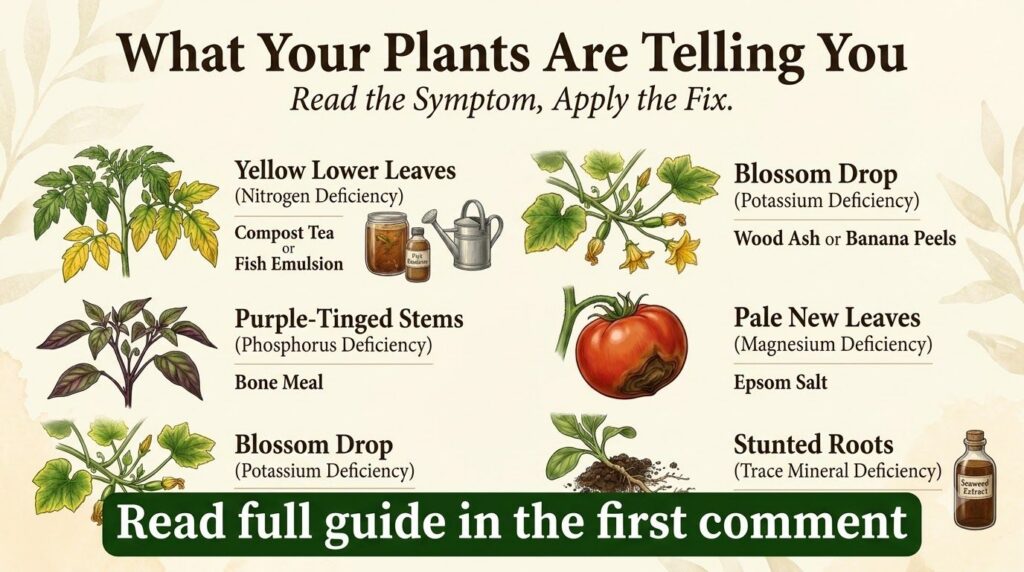
The Language of Plants: Common Deficiencies and Symptoms
Just like us, plants need a balanced diet of macro and micronutrients to grow strong and healthy. When they’re missing something, they show it. Here are some of the most common signs to watch out for:
1. Nitrogen Deficiency: The Yellowing Story
- Symptoms: Older leaves turn pale green, then yellow, especially starting from the tips and working inwards. Growth becomes stunted, and the plant may look weak overall.
- Why it matters: Nitrogen is crucial for leafy growth and chlorophyll production.
2. Phosphorus Deficiency: The Purple Warning
- Symptoms: Leaves, especially older ones, may develop a reddish-purple tint on the undersides. Stunted growth, poor flowering, and weak root development are also common.
- Why it matters: Phosphorus is essential for energy transfer, root development, flowering, and fruiting.
3. Potassium Deficiency: Burnt Edges and Weak Stems
- Symptoms: Older leaves show yellowing along the margins, which can progress to brown, crispy edges (necrosis). Plants may have weak stems and be more susceptible to disease.
- Why it matters: Potassium supports overall plant vigor, water regulation, and disease resistance.
4. Iron Deficiency: Pale New Growth
- Symptoms: New, younger leaves turn yellow while the veins remain green (interveinal chlorosis). This often appears first on the newest growth.
- Why it matters: Iron is vital for chlorophyll formation and enzyme functions.
5. Calcium Deficiency: Blossom End Rot and Stunted New Growth
- Symptoms: Affects new growth primarily. For fruits like tomatoes, it can cause blossom end rot (a dark, sunken spot on the bottom of the fruit). Young leaves may be distorted or stunted.
- Why it matters: Calcium is crucial for cell wall structure and proper cell division.
Natural Remedies for a Thriving Garden
Once you’ve identified a potential deficiency, it’s time to provide a natural boost!
For Nitrogen Deficiency:
- Compost Tea: Brew a nutrient-rich compost tea to give your plants a gentle, readily available nitrogen boost.
- Coffee Grounds: Sprinkle used coffee grounds around the base of acid-loving plants (like blueberries, roses, or hydrangeas) for a slow-release nitrogen source.
- Legumes as Cover Crops: Planting nitrogen-fixing legumes (like clover or peas) can naturally enrich your soil’s nitrogen content.
For Phosphorus Deficiency:
- Bone Meal: A slow-release organic phosphorus source. Incorporate it into the soil when planting or as a top dressing.
- Rock Phosphate: Another natural source of phosphorus, though it takes longer to break down and become available to plants.
- Compost: Well-rotted compost consistently adds a wide range of nutrients, including phosphorus, to the soil.
For Potassium Deficiency:
- Wood Ash: If you have a fireplace, wood ash (from untreated wood) can be a good source of potassium and other trace minerals. Use sparingly as it can raise soil pH.
- Kelp Meal: A fantastic all-around organic fertilizer, kelp meal provides potassium, trace minerals, and growth hormones.
- Banana Peels: Chop up banana peels and bury them near the base of plants for a slow-release potassium boost.
For Iron Deficiency:
- Compost: Regular application of organic compost improves soil structure and makes existing iron more accessible to plants.
- Chelated Iron: For more severe cases, consider an organic chelated iron supplement designed to be readily absorbed by plants.
- Adjust Soil pH: Iron deficiency is often tied to high soil pH, which makes iron unavailable. Adding organic matter or elemental sulfur can help lower pH over time.
For Calcium Deficiency:
- Eggshells: Crush clean eggshells into a fine powder and incorporate them into the soil. They provide a slow-release calcium source.
- Gypsum: A natural mineral (calcium sulfate) that adds calcium without significantly altering soil pH.
- Proper Watering: Inconsistent watering can sometimes mimic calcium deficiency symptoms, especially blossom end rot. Ensure even moisture.
Beyond the Remedies: Prevention is Key
While remedies are helpful, preventing deficiencies is always the best approach. Here are some general tips:
- Soil Testing: Regularly test your soil to understand its nutrient profile and pH. This is the most accurate way to know what your plants truly need.
- Rich Organic Matter: Consistently amend your soil with high-quality compost. This improves soil structure, water retention, and provides a steady supply of diverse nutrients.
- Balanced Fertilization: Use organic fertilizers that offer a balanced range of macronutrients (N-P-K) and micronutrients.
- Crop Rotation: Rotating your crops helps to prevent specific nutrient depletion in localized areas of your garden.
Understanding what your plants are trying to tell you is a rewarding part of gardening. With these natural remedies and preventative measures, you’ll be well on your way to a healthier, more productive garden. Happy growing!