Don’t Toss Those Pineapple Peels! Unlock a Treasure Trove of Wellness Benefits
Have you ever peeled a fresh pineapple, tossed the vibrant outer skin into the compost, and thought nothing more of it? Many of us do! But what if we told you that those often-discarded pineapple peels are a hidden gem, brimming with potential wellness benefits just waiting to be unleashed? It’s true! You might be throwing away a natural remedy that could support your digestion, reduce inflammation, and even give your immune system a gentle boost.
Why These Peels Matter More Than You Think
For generations, many cultures around the world have intuitively understood that nature’s offerings often hold more value than meets the eye. The pineapple, a symbol of hospitality and warmth, is no exception. While the sweet, juicy flesh is a beloved treat, its fibrous, nutrient-rich peel has traditionally been used in various home remedies and beverages. In an age where we’re all looking for natural ways to enhance our well-being and reduce waste, rediscovering the potential of something as simple as a pineapple peel is truly exciting!
The interest in utilizing pineapple peels has surged as more people seek sustainable practices and holistic health solutions. Beyond being a clever way to reduce food waste, these peels are packed with compounds that contribute to overall vitality. Many are surprised to learn that what they once considered “trash” could become a “treasure” in their natural wellness toolkit.
The Powerful Potential of Pineapple Peels
So, what exactly makes pineapple peels so special? It largely comes down to their impressive nutritional profile, which is surprisingly similar to the fruit’s flesh, with some unique concentrations.
Bromelain: The Star Enzyme
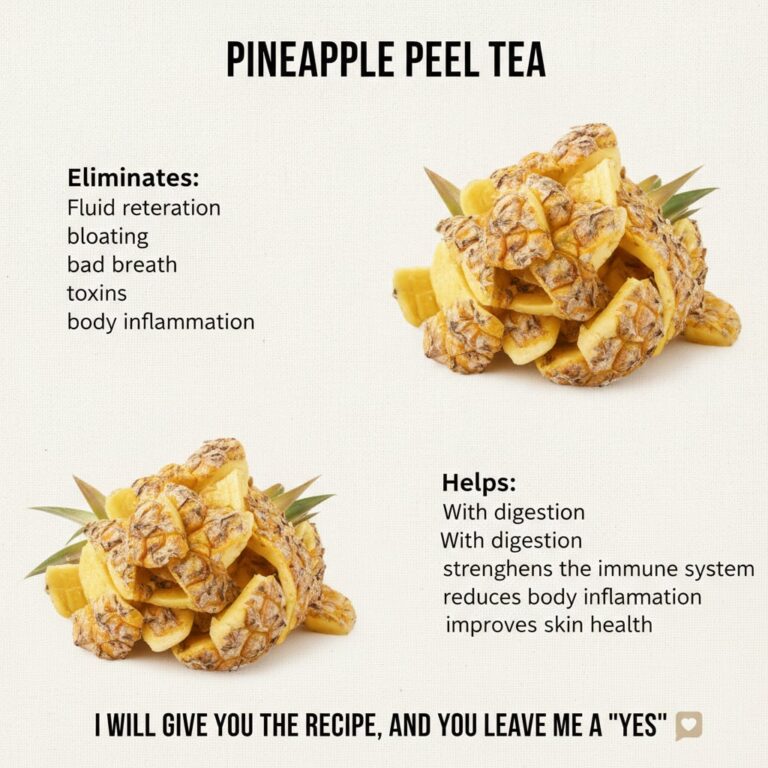
One of the most well-known compounds found in pineapple, especially concentrated near the core and in the peel, is bromelain. This group of protein-digesting enzymes is often studied for its:
- Anti-inflammatory properties: Bromelain has been traditionally used and is extensively researched for its potential to help reduce inflammation throughout the body, which can contribute to discomfort and various health challenges.
- Digestive support: By breaking down proteins, bromelain may aid in digestion, making meals feel lighter and more comfortable.
A Rich Source of Antioxidants
Pineapple peels are also loaded with antioxidants like flavonoids and phenolic acids. These compounds are vital for fighting free radicals in the body, which can cause cellular damage and contribute to aging and chronic diseases.
- Immune system support: Antioxidants, alongside vitamin C (also present in the peel), play a crucial role in bolstering the immune system, helping your body defend itself against common ailments.
- Overall cellular health: By protecting cells from oxidative stress, these antioxidants contribute to maintaining vitality and a youthful glow from within.
Fiber for Digestive Harmony
Like most plant-based foods, pineapple peels are a good source of dietary fiber. Fiber is essential for:
- Promoting regularity: It adds bulk to stool, aiding in smooth digestion and preventing constipation.
- Gut health: Fiber feeds beneficial gut bacteria, contributing to a healthy microbiome, which is increasingly recognized for its widespread impact on health.
Traditional Wisdom vs. Modern Understanding
While the traditional use of pineapple peels for digestive issues and inflammation is centuries old, modern science continues to explore and validate these practices. Many studies on bromelain and pineapple extracts support their potential benefits, though research specifically on peel-infused teas is still emerging. It’s a wonderful example of how ancient wisdom often aligns with contemporary scientific inquiry.
Your Practical Guide to Pineapple Peel Tea
Ready to turn those peels into a soothing, health-boosting brew? Making pineapple peel tea is incredibly simple and requires just a few basic ingredients.
What You’ll Need:
- Peels from 1 organic pineapple (ensure it’s thoroughly washed!)
- 4-6 cups of filtered water
- Optional additions for flavor and extra benefits:
- 1-inch piece of fresh ginger, sliced
- 1-2 cinnamon sticks
- Juice of 1/2 lemon
- A drizzle of honey or maple syrup to taste (after brewing)

Step-by-Step Preparation:
- Wash the Pineapple: Before peeling, make sure to scrub your pineapple thoroughly under running water, especially if you’re using conventional fruit, to remove any dirt or residues. Opting for organic pineapples is an excellent choice when using the peel.
- Peel Carefully: Use a sharp knife to peel the pineapple, trying to get as much of the golden flesh as possible, leaving just the rough outer skin.
- Combine Ingredients: Place the clean pineapple peels into a large saucepan. Add the filtered water, ginger slices, and cinnamon sticks (if using).
- Simmer: Bring the mixture to a boil, then reduce the heat to low, cover, and let it simmer for at least 20-30 minutes. For a stronger brew and more pronounced flavor, you can simmer it for up to an hour.
- Strain: Remove the saucepan from the heat. Carefully strain the liquid into a heat-proof pitcher or bowl, discarding the solids.
- Serve: Pour the warm tea into mugs. If desired, add a squeeze of fresh lemon juice and sweeten with a touch of honey or maple syrup.
Serving Suggestions:
- Enjoy it warm for a comforting treat.
- Chill it in the refrigerator for a refreshing iced tea, perfect on a warm day.
- Store leftover tea in a sealed container in the fridge for up to 3-4 days.
Safety and Precautions
While pineapple peel tea is generally considered safe for most people, it’s always wise to be mindful of a few considerations:
- Allergies: If you are allergic to pineapple or bromelain, avoid consuming pineapple peel tea.
- Medication Interactions: Bromelain may interact with certain medications, such as blood thinners. If you are on any medication, especially those that affect blood clotting, it’s always best to consult your healthcare professional before incorporating new herbal remedies into your routine.
- Pregnancy and Breastfeeding: There isn’t enough reliable information to definitively state the safety of concentrated pineapple peel tea during pregnancy or breastfeeding. It’s best to err on the side of caution and consult your doctor.
- Gastrointestinal Sensitivity: Some individuals may experience mild digestive upset. Start with small amounts to see how your body reacts.
Always prioritize sourcing clean, preferably organic, pineapples when using the peels, and wash them thoroughly.
Key Takeaways
- Pineapple peels are a valuable source of nutrients, including bromelain, antioxidants, and fiber.
- They may support digestion, help reduce inflammation, and boost immune function.
- Making pineapple peel tea is a simple and sustainable way to utilize these benefits.
- Always wash peels thoroughly, and consider organic options.
- Consult a healthcare professional if you have allergies, are on medication, or are pregnant/breastfeeding.
FAQ
Can I use peels from any pineapple?
It’s highly recommended to use organic pineapple peels to minimize exposure to pesticides. Always wash them thoroughly, regardless of whether they are organic or not.
Is pineapple peel tea good for weight loss?
While pineapple peel tea can support digestion and overall wellness, which are components of a healthy lifestyle, it’s not a magic solution for weight loss. It can be a healthy, low-calorie beverage choice to include in a balanced diet.
Can I eat the pineapple peel directly?
Pineapple peels are very fibrous and tough, making them difficult to digest directly. Brewing them into a tea is the most common and palatable way to extract their beneficial compounds.
How often can I drink pineapple peel tea?
You can enjoy pineapple peel tea daily, or a few times a week, as part of your wellness routine. Listen to your body and adjust as needed.
What does pineapple peel tea taste like?
It has a mild, subtly sweet, and tangy tropical flavor. Adding ginger and cinnamon can enhance its warmth and complexity. It’s less sweet than pineapple juice.
Related Reading
- The Surprising Benefits of Ginger for Digestion and Immunity
- Discovering the Power of Turmeric: An Anti-Inflammatory Ally
- Boost Your Gut Health: A Guide to Fermented Foods
- Natural Ways to Support Your Immune System Year-Round