Transform Pineapple Peels: Your Secret for Natural Wellness!
Have you ever considered that some of the most overlooked parts of our food might hold a secret key to better health? We often toss away fruit peels without a second thought, believing their usefulness ends where the edible flesh begins. But what if we told you that the humble pineapple peel, often destined for the compost bin, could be a remarkable ally in your pursuit of natural wellness?
Get ready to uncover a simple, sustainable, and surprisingly delicious way to boost your vitality and make the most of nature’s gifts. Let’s transform those pineapple peels into something truly special!
Why This Matters: Unlocking Hidden Nutritional Value
For many of us, the juicy, sweet flesh of a pineapple is the star, and its prickly, fibrous peel is simply waste. Yet, this common practice means we might be missing out on a significant source of beneficial compounds. In an age where we seek sustainable living and natural remedies, reimagining what we consider ‘waste’ in our kitchens has become a fascinating journey.
The interest in utilizing pineapple peels has grown because people are looking for accessible, budget-friendly ways to incorporate more nutrients and natural support into their daily lives. Beyond reducing food waste, the peels themselves contain properties that have captured the attention of wellness enthusiasts and researchers alike. It’s a testament to nature’s ingenuity – often, the parts we discard are just as valuable, if not more so, than the parts we cherish.
Main Educational Content: The Power Within the Peel
Pineapple peels aren’t just protective coverings; they are a nutritional powerhouse, albeit in different concentrations than the fruit’s pulp. Let’s explore some of the key compounds and their potential benefits.
Bromelain: The Enzyme Superstar
Perhaps the most famous component associated with pineapple is bromelain, a complex mixture of enzymes. While the fruit’s flesh contains bromelain, the peel and core are also rich sources. Bromelain is traditionally recognized for its:
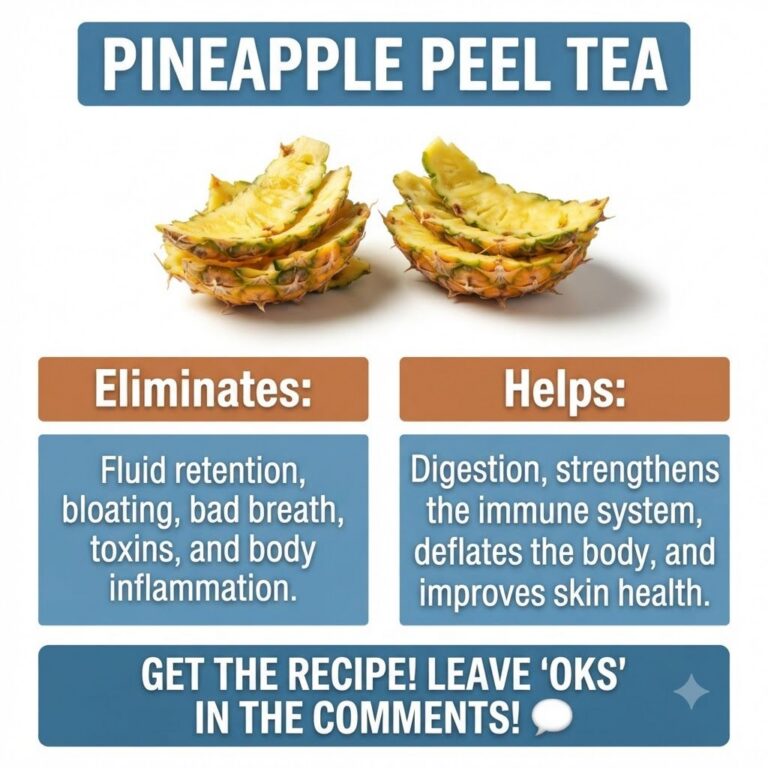
- Digestive Support: It helps break down proteins, potentially aiding digestion and reducing feelings of bloating or discomfort after meals.
- Anti-Inflammatory Properties: Some studies suggest bromelain may help soothe inflammation throughout the body, making it a subject of interest for conditions ranging from muscle soreness to joint discomfort.
Fiber for Gut Health
Like many plant-based outer layers, pineapple peels are an excellent source of dietary fiber. Fiber is crucial for:
- Digestive Regularity: It adds bulk to stool, promoting healthy bowel movements and preventing constipation.
- Gut Microbiome Support: Fiber acts as a prebiotic, feeding the beneficial bacteria in your gut, which is vital for overall health and immunity.
Antioxidants and Vitamins
Pineapple peels also contain various antioxidants, including phenolic compounds and flavonoids, which help combat oxidative stress in the body. They contribute to:
- Immune System Support: Antioxidants protect cells from damage, helping your immune system function optimally.
- Cellular Health: By neutralizing free radicals, antioxidants play a role in healthy aging and preventing chronic diseases.
Traditional Use vs. Scientific Understanding: For centuries, various cultures in pineapple-growing regions have utilized pineapple parts, including the peels, in traditional medicine for their perceived healing properties. Modern science is now beginning to investigate and corroborate some of these traditional beliefs, particularly regarding bromelain’s therapeutic potential.
Practical Guide: Crafting Your Own Pineapple Peel Tea
Making tea from pineapple peels is a wonderfully simple and satisfying way to harness their benefits. Here’s how you can do it:
Ingredients:
- Peels from 1 organic pineapple (ensure it’s thoroughly washed)
- 4-6 cups of filtered water
- Optional additions for flavor and extra benefits:
- 1-inch piece of fresh ginger, sliced
- 1-2 cinnamon sticks
- A few cloves
- A squeeze of fresh lemon juice (after brewing)
- Honey or maple syrup to taste (after brewing)
Preparation:
- Clean the Pineapple: Before peeling, wash the entire pineapple thoroughly under cold running water, scrubbing with a vegetable brush to remove any dirt or residues.
- Peel Carefully: Using a sharp knife, carefully peel the pineapple. Try to get thicker peels to maximize the nutrient content.
- Combine Ingredients: Place the clean pineapple peels (and any optional ginger, cinnamon, or cloves) into a large saucepan.
- Add Water: Pour 4-6 cups of filtered water over the peels and spices.
- Simmer: Bring the mixture to a boil, then reduce the heat to low, cover, and let it simmer for 20-30 minutes. The longer you simmer, the stronger the flavor and potentially the more nutrients extracted.
- Strain: Remove the saucepan from the heat. Carefully strain the liquid into a heat-proof pitcher or jar, discarding the solid peels and spices.
- Serve & Enjoy: Your pineapple peel tea is ready! Serve it warm, or let it cool and chill it for a refreshing iced beverage. Add lemon juice and your preferred sweetener if desired.
Beginner Tips:
- Organic is Best: Whenever possible, use organic pineapples to minimize exposure to pesticides.
- Wash Thoroughly: Even with organic pineapples, a good scrub is essential.
- Adjust to Taste: Experiment with simmering times and optional additions to find your perfect flavor profile.
- Combine with Core: Don’t forget the core of the pineapple! It’s also rich in bromelain and can be added to your tea.
Storage:
Store leftover pineapple peel tea in an airtight container in the refrigerator for up to 3-5 days. It’s delicious both hot and cold.
Safety & Precautions
While pineapple peel tea offers wonderful potential benefits, it’s essential to approach natural remedies with awareness and caution, especially if you have existing health conditions or are taking medications.
- Pineapple Allergy: If you are allergic to pineapple, avoid consuming pineapple peel tea.
- Bromelain Interactions: Bromelain can have blood-thinning effects. If you are on blood thinners (anticoagulants), have a bleeding disorder, or are about to undergo surgery, consult your healthcare professional before consuming pineapple peel tea.
- Medication Interactions: Bromelain may also interact with certain antibiotics and sedatives. Always discuss new herbal remedies with your doctor, especially if you are on prescription medications.
- Pregnancy & Breastfeeding: There isn’t sufficient scientific evidence to confirm the safety of pineapple peel tea during pregnancy or breastfeeding. It’s best to err on the side of caution and consult your healthcare provider.
- Digestive Sensitivity: Some individuals might experience digestive upset due to the fiber content or bromelain. Start with small amounts to assess your tolerance.
Always prioritize your health and consult a healthcare professional for personalized advice, especially if you have any medical conditions or concerns.
Key Takeaways
- Pineapple peels, often discarded, are a valuable source of nutrients like bromelain, fiber, and antioxidants.
- Making pineapple peel tea is a simple and sustainable way to utilize these benefits.
- The tea may support digestion, help soothe inflammation, and boost immune function.
- Always wash peels thoroughly and consider using organic pineapples.
- Consult a healthcare professional, especially if you have allergies, are on medication, or are pregnant/breastfeeding.
FAQ
Is pineapple peel tea safe to drink daily?
For most healthy individuals, drinking pineapple peel tea daily in moderation is generally considered safe. However, due to bromelain’s potential effects, especially on blood clotting, it’s wise to consult a doctor if you have underlying health conditions or are on medication.
What does pineapple peel tea taste like?
The taste can vary depending on ripeness and added spices. Generally, it has a subtle, mildly sweet, and tangy flavor, often less intense than the fruit itself. Adding ginger, cinnamon, or lemon can enhance its profile.
Can I use any pineapple peel for tea?
It’s highly recommended to use peels from organic pineapples to minimize exposure to pesticides. Regardless, always wash the pineapple thoroughly with a vegetable brush before peeling.
How long can I store the tea?
Pineapple peel tea can be stored in an airtight container in the refrigerator for up to 3-5 days. You can enjoy it hot or cold.
Are there any side effects?
While generally well-tolerated, some individuals might experience mild digestive upset. Those with pineapple allergies or on certain medications should exercise caution and consult a healthcare professional.
Related Reading
Enjoyed learning about the hidden power of pineapple peels? Explore more natural ways to boost your wellness:
- Natural Digestive Aids: Foods That Help Your Gut Thrive
- Boosting Immunity Naturally: Everyday Habits for a Stronger You
- Herbal Teas for Wellness: A Gentle Path to Health
- Anti-Inflammatory Ingredients: Nature’s Soothing Kitchen Staples