Most gardeners focus on watering and weeding, but what if your plants themselves held the secret to a thriving, more productive harvest, all without extra effort? This is the part many skip, often thinking gardening is just about putting seeds in the ground. The truth is, some plants are natural allies, fostering healthier growth, deterring pests, and even improving flavor when planted side-by-side.
This ‘new remedy’ for gardening isn’t new at all; it’s an ancient practice known as companion planting. It leverages the natural interactions between different species to create a more resilient, vibrant, and productive garden ecosystem. Forget harsh chemicals and endless battles against pests – companion planting offers a smarter, more harmonious way to grow.
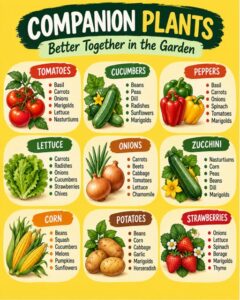
What is Companion Planting?
At its core, companion planting is the strategic placement of different crops in close proximity for mutual benefit. These benefits can range from attracting beneficial insects that pollinate or prey on pests, to deterring harmful insects with strong aromas, enhancing soil nutrients, providing structural support, or even improving the flavor and growth of neighboring plants.
Why It Works: The Natural Synergy
This method taps into nature’s own wisdom. For instance, aromatic herbs can mask the scent of vulnerable vegetables, confusing pests. Legumes, like beans and peas, fix nitrogen in the soil, making it available for heavy feeders like corn or squash. Tall plants can provide shade for sun-sensitive crops, extending their growing season. It’s a win-win system that reduces the need for interventions and creates a more balanced garden.
Key Principles for Your Garden’s Success
Understanding the basic principles helps you make informed choices:
- Pest Deterrence: Many aromatic herbs (like basil, rosemary, mint) repel common garden pests. Marigolds are famous for deterring nematodes.
- Attracting Beneficials: Flowers like dill, cilantro (when allowed to flower), and cosmos attract predatory insects (ladybugs, lacewings) that feed on aphids and other destructive pests.
- Nutrient Cycling: Legumes add nitrogen to the soil. Deep-rooted plants can bring up nutrients from deeper soil layers, making them accessible to shallower-rooted companions.
- Structural Support: Tall, sturdy plants (like corn) can serve as natural trellises for climbing plants (like pole beans).
- Shade & Shelter: Larger plants can offer protection from intense sun or wind for more delicate companions.
- Weed Suppression: Dense ground cover plants can help suppress weeds, conserving soil moisture.
Quick Tip: Think Beyond the Individual Plant
Instead of viewing each plant in isolation, think of your garden as a community where each member plays a vital role. Observing natural plant communities can offer clues to successful pairings.
Effective Companion Plant Pairings
Here are some of the most celebrated and effective companion plant combinations to get you started. This is your ‘recipe book’ for a healthier garden:
| Vegetable/Herb | Good Companions | Bad Companions |
|---|---|---|
| Tomatoes | Basil, Carrots, Marigolds, Nasturtiums, Parsley, Onions | Broccoli, Cabbage, Corn, Fennel, Kohlrabi |
| Corn | Beans, Pumpkins, Squash, Cucumbers, Melons | Tomatoes, Celery |
| Beans | Carrots, Cauliflower, Corn, Cucumber, Marigolds, Potatoes | Onions, Garlic, Gladiolus, Fennel |
| Carrots | Rosemary, Lettuce, Radishes, Sage, Marigolds, Onions | Fennel, Dill |
| Cabbage Family (Broccoli, Kale, Cabbage) |
Potatoes, Celery, Dill, Mint, Rosemary, Thyme | Strawberries, Tomatoes, Pole Beans |
| Basil | Tomatoes, Peppers, Oregano, Chamomile | Rue, Sage |
| Cucumbers | Corn, Beans, Radishes, Dill, Marigolds | Aromatic herbs (too close), Sage |
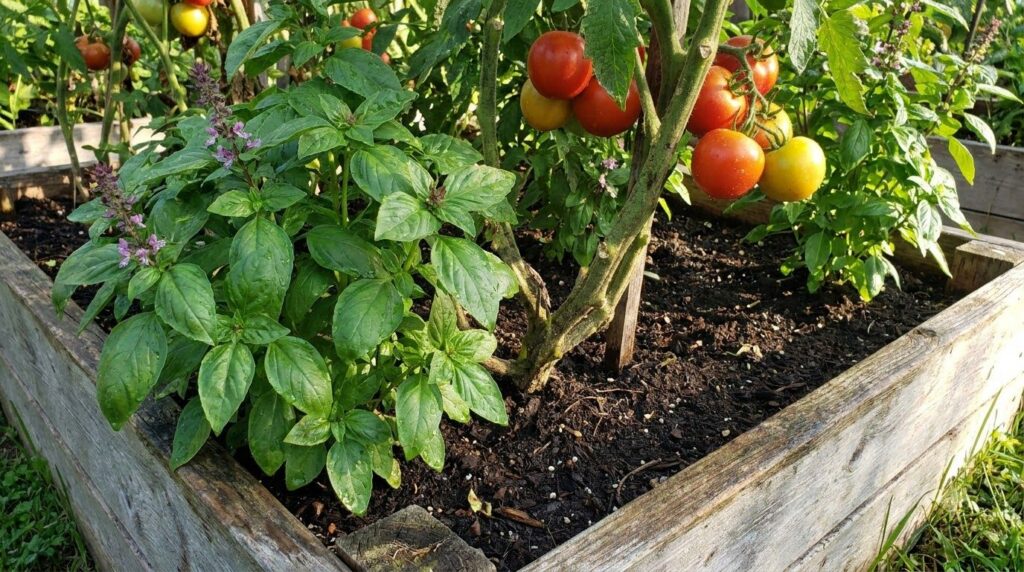
Step-by-Step Method: Implementing Companion Planting
Integrating companion planting into your garden is simpler than you might think:
- Plan Your Layout: Before planting, sketch out your garden. Identify your primary crops and then research their best companions.
- Group Strategically: Plant beneficial companions in close proximity. For instance, plant basil around your tomato plants, or intersperse marigolds throughout your vegetable beds.
- Consider Growth Habits: Ensure that companions won’t compete excessively for light, water, or nutrients. Tall plants should be placed where they won’t shade out sun-loving plants unless intentional.
- Rotate Crops: Even with companion planting, continue to rotate your crops annually to prevent soil depletion and disease buildup.
How to Choose & Buy Companion Plants
When selecting your plants, prioritize:
- Healthy Seedlings/Seeds: Start with strong, disease-free stock.
- Organic Sources: Opt for organic seeds or seedlings to avoid introducing unwanted chemicals into your soil.
- Native Varieties: Consider native plants as companions; they are often well-adapted to your local environment and can support local beneficial insects.
Storage & Maintenance
Companion planting isn’t a one-time setup; it’s an ongoing practice:
- Observation: Regularly observe your garden. Are certain pairings thriving? Are pests still an issue? Adjust as needed.
- Succession Planting: As one crop finishes, replace it with a beneficial companion for the next season.
- Weed Control: While some companions help suppress weeds, regular weeding is still necessary, especially around young plants.
Practical Tips for Success
- Start Small: If new to companion planting, begin with a few tried-and-true pairings.
- Mix & Match: Don’t be afraid to experiment. Every garden is unique.
- Diversity is Key: A diverse garden with many different plant types is generally more resilient to pests and diseases.
- Know Your Pests: Identify common pests in your area to select companions that specifically deter them.
Common Mistake: Ignoring Spacing
While companion planting emphasizes proximity, it doesn’t mean overcrowding. Plants still need adequate space for root development, air circulation, and light. Planting too close can lead to competition for resources and increased disease risk.
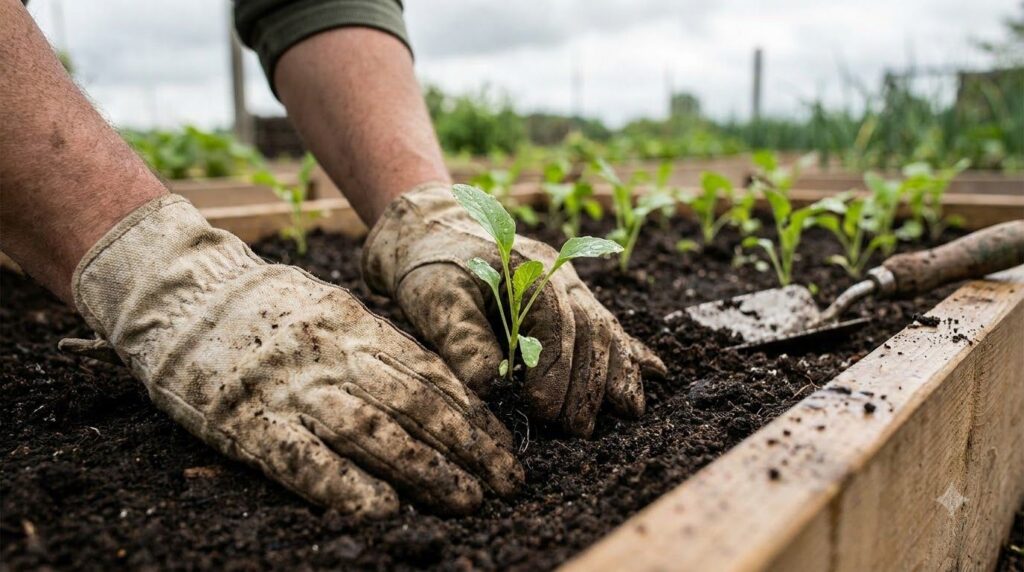
Common Mistakes to Avoid
- Planting Incompatibles: Ignoring the ‘bad companions’ list can lead to stunted growth or increased pest problems. Always research before pairing.
- Overcrowding: As mentioned, plants still need space. Too much competition for resources negates the benefits.
- Expecting Miracles: Companion planting is a tool, not a magic bullet. It enhances garden health but doesn’t eliminate all pest or disease issues.
- Ignoring Garden Conditions: Plant companions that are suited to your specific soil, light, and climate conditions.
- Relying Solely on One Method: Combine companion planting with other good gardening practices like crop rotation, healthy soil building, and proper watering.
Cautions: Who Should Avoid Certain Pairings
While companion planting is generally safe and beneficial, be mindful of:
- Allergies: Some plants can trigger allergies in sensitive individuals.
- Invasive Plants: Be careful with aggressive spreaders like mint. Plant them in containers to prevent them from taking over.
- Specific Plant Needs: Ensure all plants in a pairing have similar needs for sun and water to thrive.
Quick Summary: Your Companion Planting Cheat Sheet
- Best Preparation: Plan your garden layout with beneficial pairings in mind.
- Best Use-Case: Enhance growth, deter pests, attract beneficials, improve soil & flavor.
- Storage: Not applicable, but continuous observation and rotation are key.
- When to Use: Integrate into your garden planning and ongoing maintenance.
- What to Avoid: Incompatible plant pairings, overcrowding, neglecting other good gardening practices.
Frequently Asked Questions
- Can I use companion planting in raised beds or containers?
Yes! Companion planting works wonderfully in both raised beds and containers, making efficient use of space. - How long does it take to see results?
Benefits like pest deterrence can be noticeable relatively quickly, while soil improvement might take a full growing season or longer. - Is companion planting purely for organic gardening?
While often associated with organic gardening, its principles apply to any gardening style aiming for healthier plants and fewer chemical inputs. - What are some easy pairings for beginners?
Tomatoes and basil, corn and beans, marigolds with almost anything, and carrots with rosemary are great starting points. - Can I reuse the same companion pairing every year?
It’s best to rotate even companion plants to prevent soilborne diseases and pest buildup, just like with single crops. - Do companion plants improve flavor?
Anecdotal evidence strongly suggests some pairings, like tomatoes and basil, can enhance the flavor of your harvest. - Are there any plants that repel mosquitoes?
Yes, plants like citronella grass, lemon balm, catnip, and marigolds are often used to deter mosquitoes.
Cultivate a Harmonious Garden
Companion planting is more than just a technique; it’s a philosophy that embraces the interconnectedness of nature. By understanding and applying these natural partnerships, you can transform your garden into a vibrant ecosystem where plants thrive, pests are managed naturally, and your harvest is more abundant and flavorful. It’s a rewarding journey that connects you deeper with the rhythms of the earth, proving that sometimes, the best remedies are found in simple, smart alliances.
You may also like: Read more about natural pest control methods for your garden.
See the full guide: Explore our comprehensive guide to organic fertilizers.

