When you think of oregano, your mind probably jumps to pizza, pasta, or perhaps a hearty Mediterranean stew. It’s that familiar, aromatic herb that brings a burst of flavor to so many beloved dishes. But what if we told you that this humble kitchen staple holds a treasure trove of wellness secrets far beyond its culinary charms? Prepare to look at oregano in a whole new light.
Why This Matters: Unlocking Oregano’s Hidden Potential
In our quest for natural health solutions, we often seek out exotic superfoods or rare botanicals. Yet, sometimes, the most potent allies are right under our noses – or in our spice cabinets! Oregano, with its rich history and powerful compounds, has been quietly supporting well-being for centuries. Many people are unaware of its potential to contribute to vitality, immune support, and overall balance.
Perhaps you’ve only considered oregano a flavorful addition to your cooking, missing out on its broader benefits. Understanding oregano’s versatile role can empower you to integrate more natural, time-tested wisdom into your daily routine, helping you age well, improve vitality, and maintain a vibrant, healthy life.
Main Educational Content: The Science and Tradition Behind Oregano
Oregano (Origanum vulgare) is more than just a seasoning; it’s a botanical marvel packed with beneficial compounds. Its robust flavor and scent are thanks to potent volatile oils, primarily carvacrol and thymol, which have been extensively studied for their unique properties.
The Powerhouse Compounds: Carvacrol and Thymol
- Carvacrol: This is often considered the star compound in oregano. Research suggests it may possess significant antioxidant and antimicrobial properties.
- Thymol: Another major component, thymol, works synergistically with carvacrol and is also recognized for its potential to support the body’s natural defenses.
Traditional Roots of a Modern Marvel
Historically, oregano has been revered across various cultures, particularly in Mediterranean regions. Ancient Greeks and Romans used it not only for culinary purposes but also as a traditional remedy for ailments ranging from respiratory issues to digestive complaints. It was often brewed into teas or applied topically for its soothing qualities.

Beyond Flavor: Potential Wellness Benefits
While traditional uses are compelling, modern science continues to explore the mechanisms behind oregano’s potential benefits:
- Immune System Support: Thanks to compounds like carvacrol and thymol, oregano may help support your body’s natural immune responses, especially during seasonal challenges.
- Antioxidant Activity: Oregano is rich in antioxidants, which are crucial for combating oxidative stress in the body. Oxidative stress is a factor in aging and various health concerns, so incorporating antioxidant-rich herbs can be a wonderful part of a proactive wellness strategy.
- Digestive Harmony: Traditionally, oregano has been used to support digestion. Some evidence suggests it may help maintain a healthy balance of gut flora, contributing to overall digestive comfort.
- Soothing Discomfort: The anti-inflammatory properties of oregano’s active compounds have been explored for their potential to help soothe minor discomforts within the body.
It’s important to remember that while these benefits are promising and rooted in both tradition and emerging science, oregano is a natural food and herb, not a medicine. It may support your body’s functions, but it does not cure diseases.
Practical Guide: Incorporating Oregano into Your Wellness Routine
Integrating oregano into your daily life for wellness can be both simple and delightful. Here are a few practical ways to enjoy its benefits:
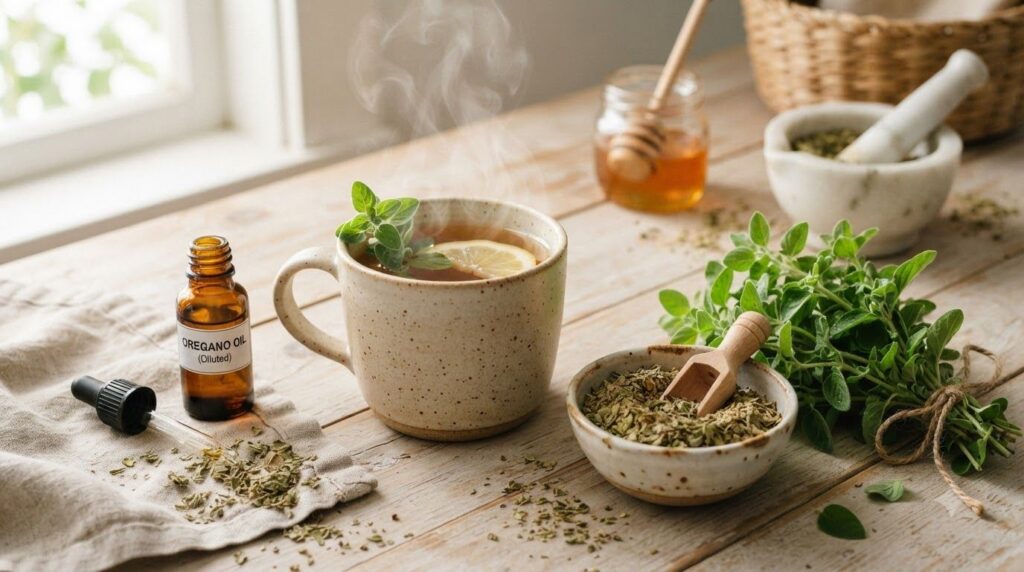
1. Oregano Tea
- Preparation: Steep 1-2 teaspoons of dried oregano leaves in a cup of hot water for 5-10 minutes.
- Usage: Enjoy this warm, earthy tea to support digestion or as a soothing beverage.
- Frequency: 1-2 cups per day is a good starting point.
2. Culinary Delights (Beyond Pizza!)
- Usage Ideas: Sprinkle fresh or dried oregano over salads, roasted vegetables, eggs, or even in homemade soups and stews for an extra wellness boost.
- Healthy Combinations: Pairs beautifully with lemon, garlic, and olive oil.
3. Oregano Essential Oil (Use with Extreme Caution!)
Oregano essential oil is highly concentrated and potent. It should never be consumed undiluted and must be used with extreme care.
- Topical Use: Always dilute oregano essential oil with a carrier oil (like coconut or jojoba oil) to a 1% concentration (1 drop of oregano oil per 1 teaspoon of carrier oil) before applying it to the skin for muscle soothing. Perform a patch test first.
- Aromatherapy: Diffuse a few drops in a diffuser to freshen the air.
- Absolutely NOT for internal use without professional guidance: Consult a qualified healthcare professional before considering internal use of oregano essential oil.
Safety & Precautions
While oregano is generally safe for most people in culinary amounts, it’s crucial to be aware of certain precautions, especially when using concentrated forms like essential oil or large quantities of herbal preparations.
- Pregnancy & Breastfeeding: Pregnant or breastfeeding individuals should consult their doctor before using oregano supplements or essential oil, as there isn’t enough reliable information on its safety in these cases.
- Blood Clotting: Oregano may slow blood clotting. If you take blood-thinning medications or have a bleeding disorder, consult your healthcare provider before using large amounts of oregano or oregano oil.
- Allergies: People allergic to plants in the Lamiaceae family (which includes mint, lavender, and basil) may also be allergic to oregano.
- Skin Sensitivity: Oregano essential oil can cause skin irritation; always dilute it properly and perform a patch test.
- Existing Medical Conditions: If you have any underlying health conditions or are taking prescription medications, it is always wise to consult with a healthcare professional before making significant changes to your diet or supplement regimen.
Key Takeaways
- Oregano contains powerful compounds like carvacrol and thymol, known for their potential wellness benefits.
- It has a rich history of traditional use in supporting various aspects of health.
- Modern research suggests oregano may offer immune support, antioxidant activity, and digestive harmony.
- Enjoy oregano in teas, culinary dishes, or as a diluted essential oil (with extreme caution).
- Always be mindful of safety precautions, especially with concentrated forms, and consult a healthcare professional if you have existing conditions or are pregnant.
FAQ: Your Oregano Questions Answered
Q1: What is the difference between dried oregano and oregano essential oil?
Dried oregano is the culinary herb, offering flavor and milder wellness benefits due to its natural concentration of compounds. Oregano essential oil is a highly concentrated extract of these compounds, making it much more potent and requiring careful dilution and usage.
Q2: Can I use oregano to help with a common cold?
While oregano is traditionally used to support the immune system and soothe discomfort, it is not a cure for the common cold. Its antioxidant and immune-supportive properties may help your body’s natural defenses, but it should not replace medical treatment.
Q3: How much dried oregano is safe to consume daily?
In culinary amounts, dried oregano is generally safe for daily consumption. For specific therapeutic uses, it’s best to consult a healthcare professional or herbalist, as recommended dosages can vary.
Q4: Is fresh oregano better than dried for wellness benefits?
Both fresh and dried oregano offer wellness benefits. Dried oregano is often more concentrated in flavor and some compounds. Fresh oregano provides additional vitamins and a different aromatic profile. Using a variety of forms can be beneficial.
Related Reading You Might Enjoy
- The Anti-Inflammatory Power of Turmeric: Beyond the Spice Rack
- Boost Your Immune System Naturally: A Guide to Herbal Allies
- Digestive Wellness: Foods and Herbs for a Happy Gut
- Unlock Your Vitality: Simple Habits for Healthy Aging
- Embrace Green Living: DIY Home Remedies for Everyday Ailments