Most people associate headaches with reaching for a pill, often overlooking the unassuming plants that have offered comfort for centuries. Among these, the thistle, particularly its milky secret, holds a surprising potential for natural relief. While the thorny exterior might seem uninviting, the internal compounds of certain thistles, especially Milk Thistle (Silybum marianum), are what many herbalists keep close at hand. This isn’t just about a plant; it’s about understanding how to harness its unique properties for persistent headaches.
One small preparation mistake can diminish the potency of this botanical ally. Many focus on the obvious parts of a plant, but with thistle, understanding the interplay of its leaves, flowers, and even its characteristic milky sap is key to unlocking its full potential. Let’s delve into a practical approach to preparing and using this ancient plant for modern-day discomfort.

What It Is: Harnessing Milk Thistle’s Power
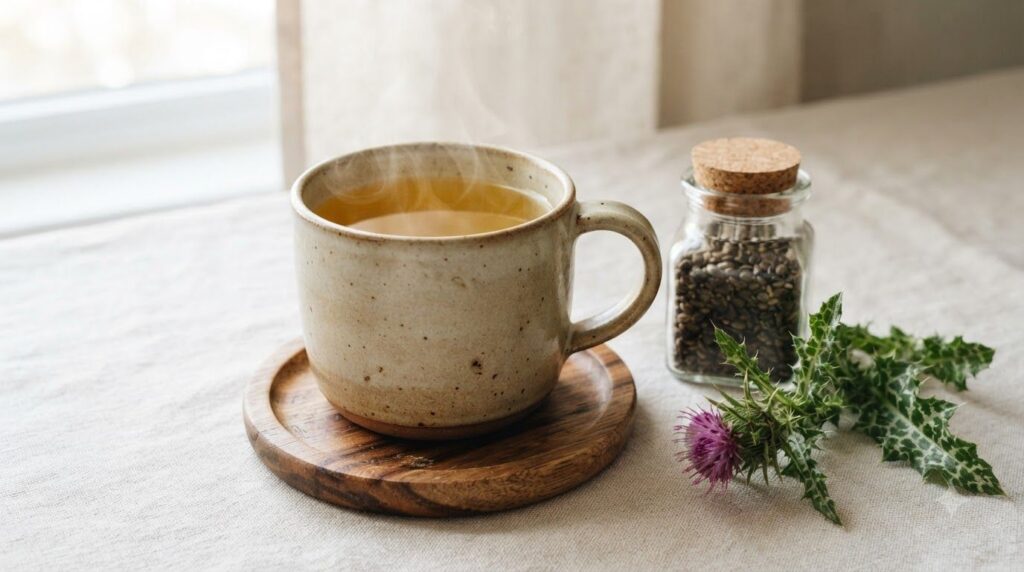
Milk Thistle (Silybum marianum) is a flowering herb related to the daisy family. It’s best known for its liver-supporting properties, but its traditional uses extend to various discomforts, including headaches. The ‘milky secret’ refers to the white sap that seeps from the leaves and stems when they are crushed or broken. While the sap itself isn’t directly consumed, it’s a visual indicator of the plant’s rich internal compounds, primarily a group of flavonoids called silymarin, found in highest concentration in the seeds.
For headache relief, a gentle preparation can help you tap into these calming properties. The focus is on creating a botanical infusion that supports the body’s natural processes, rather than just masking symptoms.
Ingredients for a Soothing Milk Thistle Tea
- Dried Milk Thistle leaves and/or flowers (or crushed seeds)
- Filtered water
- Optional: a slice of lemon or a teaspoon of honey for taste
Approximate Measurements
- 1 teaspoon of dried Milk Thistle leaves/flowers OR ½ teaspoon of crushed Milk Thistle seeds
- 1 cup (240ml) of filtered water
- Optional: to taste
Formula / Recipe: Simple Milk Thistle Infusion
The goal is to extract the beneficial compounds without destroying them. An infusion, similar to making a standard herbal tea, is the most effective and gentle method for this remedy.
Step-by-Step Method
- Boil Water: Bring 1 cup of filtered water to a rolling boil in a small saucepan.
- Prepare Thistle: Place the dried Milk Thistle leaves/flowers or crushed seeds into a heat-safe mug or tea infuser.
- Pour and Steep: Pour the hot water over the thistle material.
- Cover: Immediately cover the mug with a lid or small plate to prevent essential volatile oils from escaping with the steam.
- Steep: Allow the tea to steep for 10-15 minutes. For a stronger brew, steep for up to 20 minutes, but avoid over-steeping which can lead to bitterness.
- Strain: Strain the tea to remove the plant material.
- Enjoy: Add lemon or honey if desired, and sip slowly while warm.

How to Use
This Milk Thistle tea is primarily used as an internal remedy. Drink it warm, taking your time to savor the aroma and allow the warmth to soothe you. It can be particularly effective when a headache is just beginning or when you feel the onset of tension.
How Often to Use
For occasional headaches, consume 1-2 cups per day as needed. For more persistent issues, some herbalists recommend consistent use of 1 cup daily for a period (e.g., 2-4 weeks), then taking a break, to assess its long-term benefits. Always listen to your body and consult with a healthcare professional for chronic conditions.
Quick Tip: Consistency is often key with herbal remedies. If using for recurring headaches, try to incorporate it into a routine.
How to Buy / How to Choose Ingredients
Quality matters significantly when it comes to herbal remedies. Look for:
- Organic: Ensures the plant material is free from pesticides and harmful chemicals.
- Reputable Suppliers: Purchase from trusted herbal suppliers or health food stores.
- Whole Plant Material: Whole or coarsely cut leaves/flowers or seeds are often better than finely powdered forms, as they retain more potency.
- Freshness: Check the packaging for harvest dates or best-by dates to ensure maximum freshness.
Storage
Store dried Milk Thistle leaves, flowers, or seeds in an airtight container in a cool, dark, dry place. Proper storage can preserve their potency for up to 1-2 years. Once brewed, the tea is best consumed fresh. If you have any leftover, it can be refrigerated in a sealed container for up to 24 hours, but its potency may diminish.
Practical Tips
- Mindful Brewing: Treat the preparation as a ritual. The act of brewing can be as calming as the tea itself.
- Hydration: Sometimes headaches are simply a sign of dehydration. Ensure you’re drinking enough water throughout the day, in addition to your herbal tea.
- Combine with Relaxation: Drink your tea in a quiet, dimly lit space, away from screens, to enhance its soothing effect.
Common Mistakes
- Using Sprayed Plants: Never use thistle collected from areas that may have been treated with pesticides or herbicides. Wild-harvested plants should be from uncontaminated sources.
- Boiling Too Long: Over-boiling the plant material can destroy delicate compounds. An infusion (steeping, not boiling) is preferred.
- Skipping the Cover: Not covering your mug during steeping allows beneficial volatile compounds to escape with the steam, reducing effectiveness.
- Expecting Immediate Results: While some may experience quick relief, herbal remedies often work gradually and are best supported by consistent use and a holistic approach to wellness.
- Incorrect Plant Identification: Ensure you are using Silybum marianum (Milk Thistle) and not another type of thistle, as not all thistles have the same properties or are safe for consumption.
Cautions / Who Should Avoid It
While generally considered safe for most adults, Milk Thistle can interact with certain medications and isn’t suitable for everyone:
- Allergies: Individuals allergic to ragweed, marigolds, daisies, or chrysanthemums may have an allergic reaction to Milk Thistle.
- Hormone-Sensitive Conditions: Milk Thistle may have estrogenic effects and should be avoided by individuals with hormone-sensitive conditions (e.g., breast, uterine, ovarian cancer, endometriosis, uterine fibroids) or those taking hormone-sensitive medications.
- Diabetes: It may lower blood sugar levels, so those with diabetes or taking blood sugar-lowering medications should use it with caution and monitor blood sugar closely.
- Pregnancy and Breastfeeding: Limited research is available, so it’s generally advised to avoid during pregnancy and breastfeeding unless specifically advised by a healthcare professional.
- Medication Interactions: Milk Thistle can interact with medications metabolized by the liver, including statins, certain antianxiety drugs, and blood thinners. Always consult your doctor or pharmacist before starting any new herbal remedy, especially if you are on medication.
Comparison: Fresh vs. Dried Milk Thistle for Tea
| Feature | Fresh Milk Thistle | Dried Milk Thistle |
|---|---|---|
| Availability | Seasonal, requires foraging/growing | Year-round, widely available |
| Potency | Potentially higher volatile oils, but concentration can vary | More stable, consistent concentration of active compounds (especially silymarin in seeds) |
| Preparation | Requires cleaning, chopping; can be more labor-intensive | Ready to use; simply steep |
| Storage | Perishable, best used immediately or dried | Long shelf life (1-2 years) when stored correctly |
| Taste | Can be earthier, sometimes slightly bitter | Milder, often more consistent flavor |
Quick Summary
For natural headache relief, Milk Thistle tea is a gentle, supportive remedy. The best preparation involves steeping 1 teaspoon of dried leaves/flowers or ½ teaspoon of crushed seeds in hot water for 10-15 minutes. Use 1-2 cups daily as needed. Store dried thistle in an airtight container in a cool, dark place. Avoid using sprayed plants, over-boiling, and skipping the cover during steeping. Consult a healthcare professional if you have allergies, hormone-sensitive conditions, diabetes, are pregnant/breastfeeding, or take medications.
FAQ
- Can I use fresh Milk Thistle? Yes, you can use fresh leaves and flowers. Use approximately 2 teaspoons of freshly chopped material per cup of hot water, steeping for the same duration.
- How long does Milk Thistle tea last? It’s best consumed immediately. Leftover tea can be refrigerated for up to 24 hours, but its potency may decrease.
- Can I refrigerate the dried leaves? No, dried leaves should be stored in a cool, dark, dry place, not refrigerated, to prevent moisture accumulation.
- How often should I use it for prevention? For consistent support, some people use 1 cup daily for a few weeks, then take a break. Always observe your body’s response.
- What part of the Milk Thistle plant is best for tea? While the seeds contain the highest concentration of silymarin, the leaves and flowers are traditionally used for tea and provide a gentler effect suitable for headaches.
- Can I add other herbs to the tea? Yes, you can combine Milk Thistle with other calming herbs like chamomile or peppermint for enhanced flavor and synergistic effects.
- When should I avoid Milk Thistle? Avoid if you are allergic to ragweed-family plants, have hormone-sensitive conditions, or are pregnant/breastfeeding. Consult a doctor if you have diabetes or take medications.
- Does Milk Thistle taste bitter? It can have a slightly earthy or mild bitter taste, especially if steeped too long. Adding a slice of lemon or a bit of honey can improve the flavor.
Embracing the ‘milky secret’ of Milk Thistle offers a grounded, traditional path to finding relief from headaches. By understanding its preparation and mindful use, you can integrate this powerful plant into your wellness routine. Remember, natural remedies are about supporting your body’s inherent ability to heal, often with patience and consistency.
You may also like: The Power of Peppermint for Tension Relief
Read more: Herbal Teas for Daily Wellness