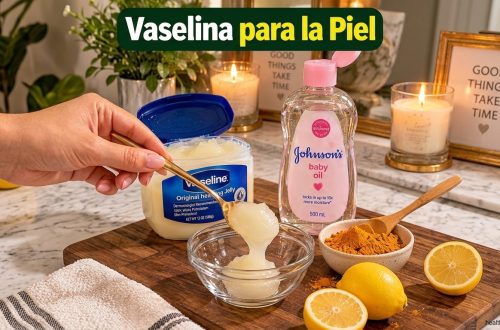
This article explains why the popular DIY trend of using Vaseline and lime for dark spots can be severely damaging to your skin and offers safer, proven alternatives.
Quick Takeaway: The Dangers in Brief
Prep time: 0 minutes (to avoid this remedy)
Best for: Learning what not to do for dark spots
Use type: Educational warning
Main issues:
- Phototoxic reactions (chemical burns)
- Increased hyperpigmentation
- Skin barrier damage
- Severe irritation and sensitivity

Why Vaseline and Lime is a Dangerous Combination for Your Skin
You might have seen the viral trend suggesting that mixing Vaseline (petroleum jelly) with lime juice can fade dark spots and hyperpigmentation. While the idea of a simple, at-home remedy is appealing, this particular DIY hack carries significant risks that can lead to severe skin damage, not improvement.
The Problem with Lime Juice on Skin
Lime juice, like other citrus juices (lemon, orange, grapefruit), contains compounds called furanocoumarins. When these compounds come into contact with your skin and are then exposed to ultraviolet (UV) light from the sun, they can cause a severe reaction known as phototoxicity or phytophotodermatitis.
This reaction can manifest as:
- Redness and inflammation
- Severe burning sensations
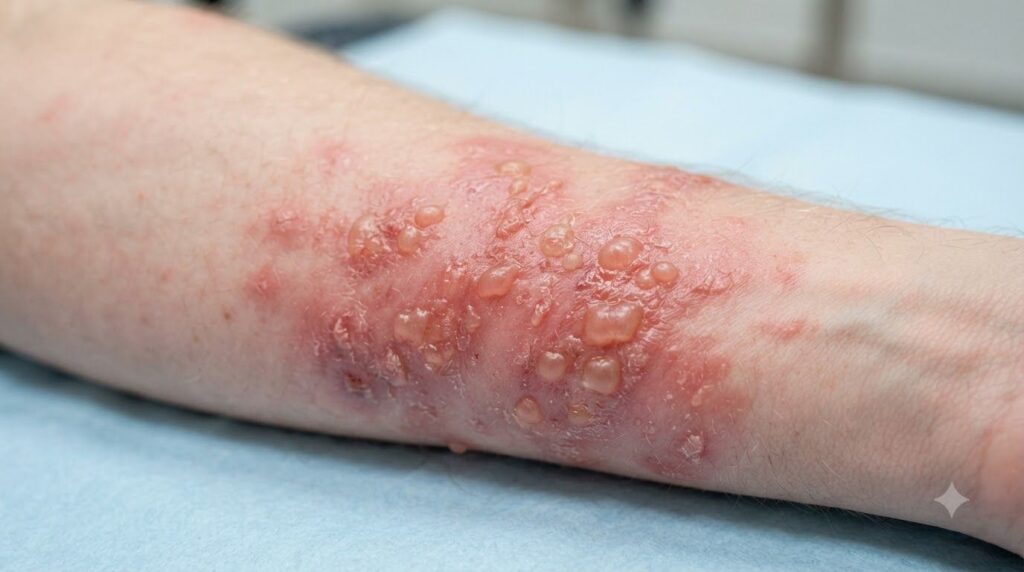
- Blistering, similar to a chemical burn
- Intense itching
- Long-lasting, worse hyperpigmentation (darker spots than before)
This isn’t just a mild irritation; it can lead to painful, disfiguring burns and post-inflammatory hyperpigmentation that is much harder to treat than the original dark spots.
The Role of Vaseline (Petroleum Jelly)
Vaseline itself is a fantastic occlusive agent. It creates a protective barrier on the skin, sealing in moisture and aiding in skin healing. It is non-comedogenic for most people and widely used in skincare for hydration and barrier repair.
However, when mixed with lime juice in this context, Vaseline can actually worsen the problem. By forming an occlusive layer over the skin, it can trap the furanocoumarins from the lime juice closer to the skin, potentially intensifying the phototoxic reaction and preventing the skin from breathing or the compounds from evaporating, making the burns more severe.
What Results to Expect (The Bad Kind)
If you use Vaseline and lime on your skin, especially before sun exposure, you should not expect fading dark spots. Instead, prepare for:
- Painful redness and burning
- Blisters and skin peeling
- Severe itching and discomfort
- New, darker, and more stubborn hyperpigmentation
- Increased skin sensitivity and vulnerability to future damage
These adverse effects can take weeks or even months to heal, and the resulting dark spots may be more challenging to remove than the original ones.
Safer, Proven Solutions for Dark Spots
Instead of risking your skin with harmful DIYs, opt for dermatologist-approved ingredients and practices to safely and effectively address dark spots and hyperpigmentation.
1. Daily Sun Protection
This is the most critical step. Sun exposure triggers and worsens hyperpigmentation.
- Use a broad-spectrum sunscreen with SPF 30 or higher daily, even on cloudy days.
- Reapply every two hours, or more often if swimming or sweating.
- Wear protective clothing, hats, and sunglasses.
- Seek shade during peak sun hours (10 AM to 4 PM).
2. Targeted Skincare Ingredients
Look for products containing these active ingredients:
- Vitamin C: A powerful antioxidant that brightens skin and inhibits melanin production.
- Niacinamide (Vitamin B3): Helps reduce the transfer of pigment to skin cells, improving overall tone.
- Alpha Hydroxy Acids (AHAs) like Glycolic Acid: Exfoliate the skin, helping to shed pigmented cells.
- Retinoids (Retinol, Tretinoin): Speed up cell turnover, helping new, unpigmented skin cells come to the surface.
- Azelaic Acid: Reduces inflammation and inhibits melanin production, especially good for post-inflammatory hyperpigmentation.
- Kojic Acid: Derived from fungi, it helps to lighten dark spots.
3. Professional Treatments
For stubborn dark spots, consider consulting a dermatologist about professional options:
- Chemical peels
- Laser therapy
- Microneedling
- Prescription-strength topical creams
Safety Notes
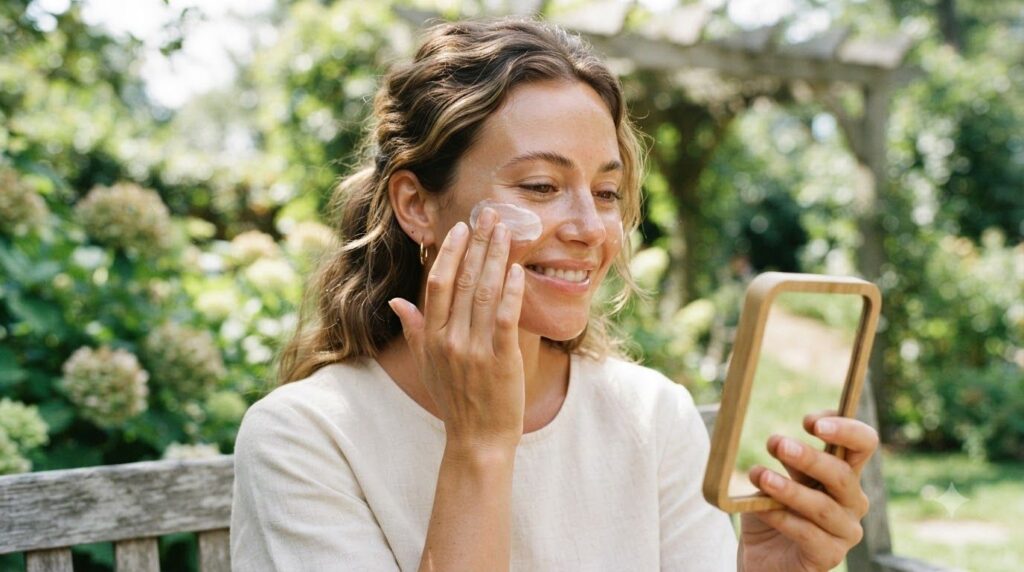
- Always patch test: Even with reputable products, always test a new product on a small area of skin before applying it to your entire face or body.
- Consult a professional: If you have persistent dark spots or sensitive skin, consult a dermatologist before starting any new treatment plan.
- Be patient: Fading dark spots takes time and consistency. Expect to see gradual improvement over several weeks or months.
- Never apply citrus juices directly to your skin: This includes lime, lemon, orange, or grapefruit, especially before sun exposure.
- Stop immediately: If you experience any redness, burning, itching, or discomfort from any skincare product or DIY, discontinue use immediately.
FAQ
Is petroleum jelly safe for skin?
Yes, petroleum jelly (like Vaseline) is generally safe and beneficial for skin hydration and barrier repair. The danger arises when it’s combined with phototoxic ingredients like lime juice and then exposed to the sun.
Can lemon juice fade dark spots?
Like lime juice, lemon juice contains furanocoumarins and is highly acidic. Applying it to the skin can cause severe irritation, phototoxic reactions, and worsen hyperpigmentation. It is not a safe or effective remedy for dark spots.
How long does phytophotodermatitis last?
The initial reaction (redness, blistering) can last for days to weeks. The resulting hyperpigmentation can linger for months or even over a year, depending on the severity of the burn and individual skin type.
Final Thoughts
While the appeal of quick, natural fixes for skin concerns like dark spots is strong, it’s crucial to prioritize skin health and safety above all else. The Vaseline and lime trend is a prime example of a DIY remedy that can cause more harm than good. Stick to scientifically proven ingredients, consistent sun protection, and professional guidance to achieve a brighter, more even-toned complexion without risking painful and lasting damage. Share this information with anyone considering this risky trend to help them protect their skin!