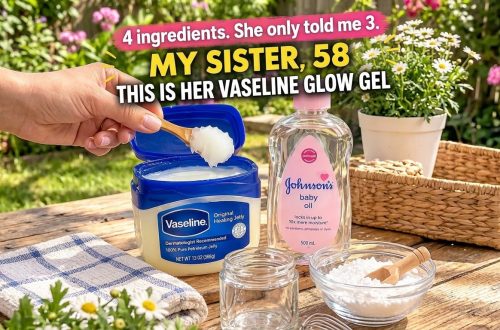
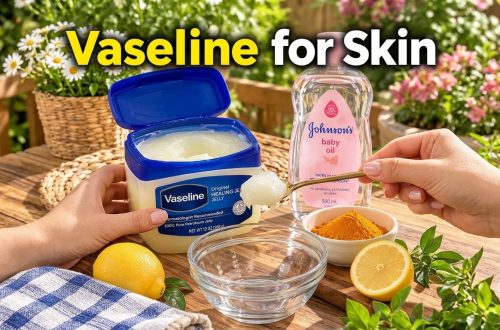
You might have seen the latest viral hack promising to zap away dark spots overnight with a simple Vaseline trick. It sounds tempting, right? Who wouldn’t want ‘flawless’ skin with an easy DIY? But before you slather on that petroleum jelly, let’s talk about the crucial truth behind these popular viral remedies and why they might actually be doing more harm than good for your skin.
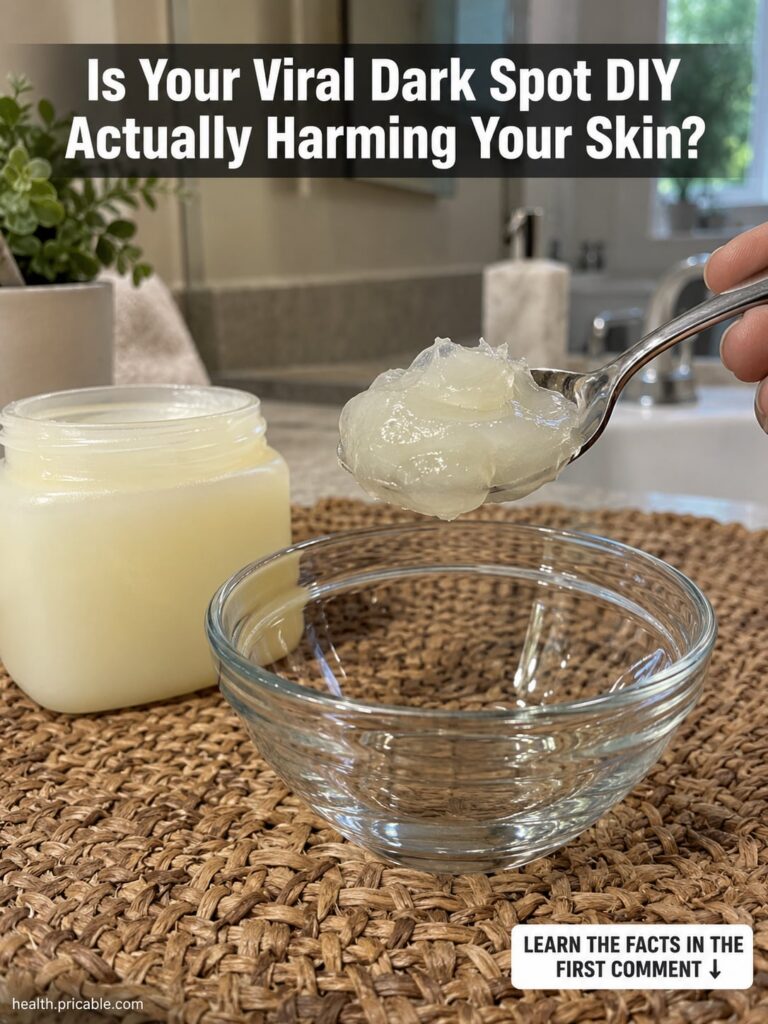
Quick Guide to Addressing Dark Spots Safely
Instead of relying on unverified viral hacks, focus on these dermatologist-recommended principles for managing dark spots and promoting overall skin health.
Prep time: 5 minutes (for your daily skincare routine)
Best for: Safely reducing the appearance of dark spots, preventing new ones, and promoting healthy skin.
Use type: Daily skincare routine, topical application.
Main ingredients:
- Broad-spectrum sunscreen (SPF 30+)
- Vitamin C serum
- Niacinamide serum
- Gentle cleanser
The Viral Vaseline Trick and Why It’s Risky
The viral Vaseline trick often suggests applying petroleum jelly directly to dark spots or layering it over other ingredients. While Vaseline is an excellent occlusive for creating a moisture barrier and aiding skin healing, it’s crucial to understand its limitations, especially concerning hyperpigmentation.
What Vaseline Does: It forms a protective barrier on the skin, sealing in moisture and helping to heal minor cuts or dry patches. This can make skin feel softer and look smoother due to hydration.
What Vaseline Doesn’t Do: It does not contain any ingredients that actively lighten dark spots or address the underlying cause of hyperpigmentation (excess melanin production). Simply sealing the skin with Vaseline won’t make dark spots disappear.
The Risks:
- Clogged Pores: While Vaseline itself is generally non-comedogenic, layering it thick, especially over other products or on acne-prone skin, can trap oils, bacteria, and dead skin cells, potentially leading to breakouts.
- Ineffectiveness for Hyperpigmentation: Relying on Vaseline for dark spots means you’re not using ingredients that actually work, delaying effective treatment.
- Potential for Irritation: If Vaseline is applied over sensitizing ingredients (like strong acids not meant to be occluded), it can drive them deeper into the skin, increasing irritation.
- False Sense of Security: Believing a viral hack works might prevent you from seeking professional advice or using proven skincare, potentially worsening your dark spots over time.
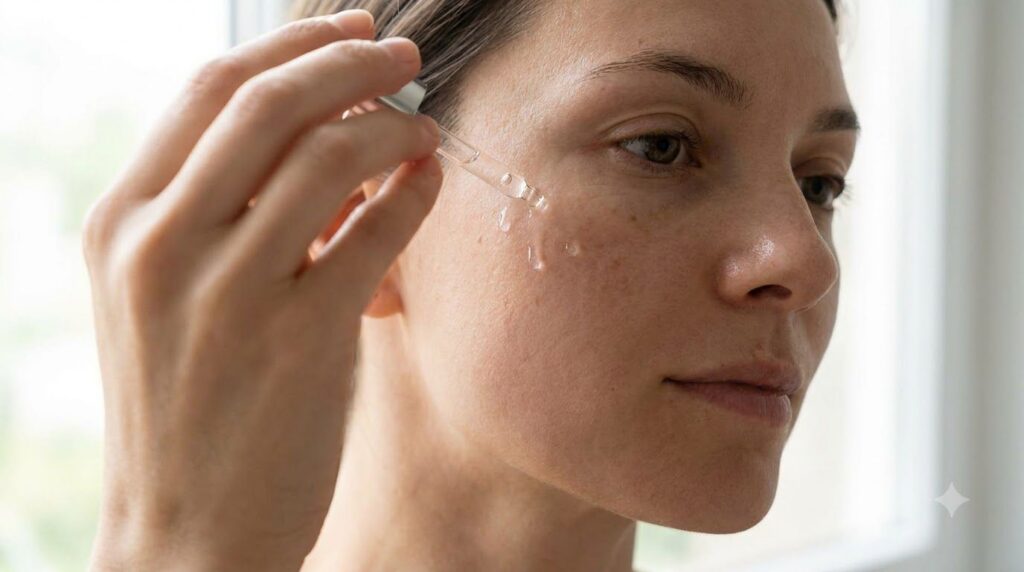
How to Safely Address Dark Spots
Instead of hoping for a miracle from a viral trick, build a consistent and effective routine. Here’s a basic guide:
- Cleanse Gently: Start with a mild cleanser to remove dirt, oil, and makeup without stripping your skin.
- Apply a Targeted Serum: Use a serum containing ingredients known to help with dark spots, such as:
- Vitamin C: A powerful antioxidant that brightens skin and inhibits melanin production.
- Niacinamide (Vitamin B3): Helps to reduce the transfer of pigment to skin cells and improves skin barrier function.
- Alpha Hydroxy Acids (AHAs) like Glycolic Acid: Exfoliate the skin, helping to shed pigmented cells (use with caution and always with sunscreen).
- Retinoids (Retinol, Tretinoin): Speed up cell turnover, helping to fade dark spots (introduce slowly and use at night, always with sunscreen).
- Moisturize: Follow with a gentle moisturizer to keep your skin hydrated and support your skin barrier.
- Always Use Sunscreen (Non-Negotiable!): This is the most critical step. Sun exposure is the primary trigger for dark spots. Apply a broad-spectrum SPF 30 or higher every single morning, even on cloudy days, and reapply throughout the day.
How Often to Use It
Consistency is key for results when tackling dark spots. Your safe dark spot routine should be followed:
- Morning: Cleanse, apply Vitamin C serum, moisturize, and apply broad-spectrum SPF 30+ sunscreen.
- Evening: Cleanse, apply targeted dark spot serum (like Niacinamide or Retinoid), and moisturize.
Why These Ingredients Are Used (For Safe Dark Spot Care)
Sunscreen
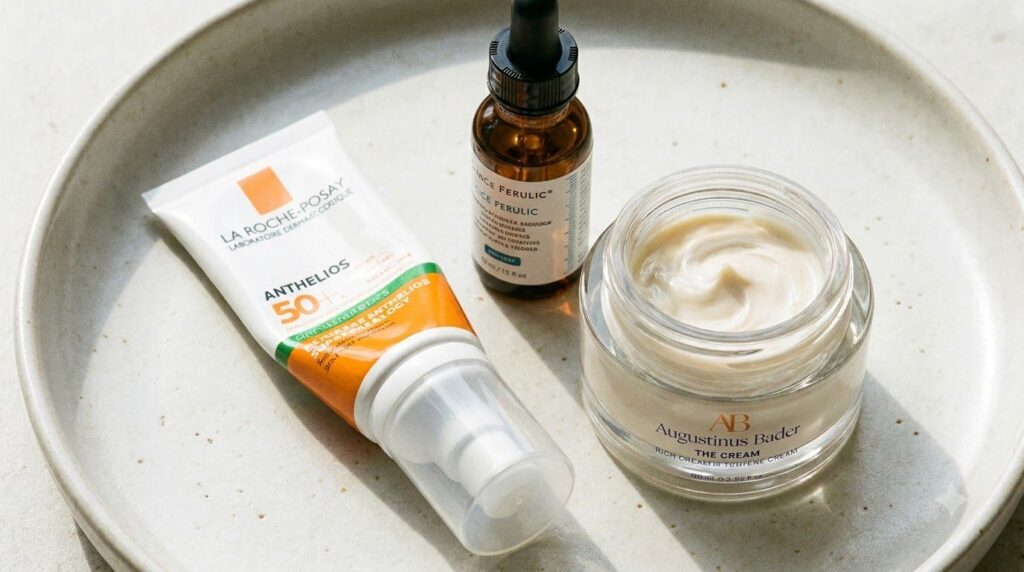
Sunscreen is your best defense against dark spots. UV radiation stimulates melanin production, leading to new spots and worsening existing ones. Daily, consistent use of a broad-spectrum sunscreen with at least SPF 30 is non-negotiable for prevention and effective treatment.
Vitamin C
This powerhouse antioxidant not only brightens the skin but also inhibits tyrosinase, an enzyme necessary for melanin production. Regular use can help fade existing dark spots and give your complexion a more radiant, even-toned appearance.
Niacinamide
Niacinamide is a versatile ingredient that helps to reduce the transfer of pigment from melanin-producing cells to skin cells, which can visibly lessen the appearance of dark spots. It also supports the skin barrier, reduces inflammation, and can improve overall skin texture.
What Results to Expect
With consistent use of proven ingredients like sunscreen, Vitamin C, Niacinamide, and potentially gentle exfoliants or retinoids, you may expect to see a gradual improvement in the appearance of dark spots. Your skin may look brighter, more even-toned, and feel smoother. Remember, fading dark spots takes time—often several weeks to months—and new spots can be prevented with diligent sun protection.
Safety Notes
- Patch test first: Always perform a patch test when introducing new active ingredients (like Vitamin C or Niacinamide) to your routine, especially if you have sensitive skin.
- Introduce slowly: Begin with lower concentrations and less frequent use, gradually increasing as your skin tolerates it.
- Sunscreen is vital: Many active ingredients can increase sun sensitivity. Always use a broad-spectrum SPF 30+ sunscreen daily, and reapply as needed.
- Avoid irritated or broken skin: Do not apply active ingredients to cuts, wounds, or severely irritated skin.
- Stop if discomfort occurs: If you experience persistent redness, itching, burning, or excessive dryness, discontinue use.
- Consult a professional: For stubborn dark spots or concerns about any skincare ingredient, consult a dermatologist.
- Avoid unverified DIYs: Steer clear of viral hacks that lack scientific backing, as they can potentially harm your skin or worsen your condition.
FAQ
Can Vaseline completely remove dark spots?
No, Vaseline does not contain active ingredients that can remove or lighten dark spots. Its primary function is to create a protective barrier to lock in moisture and aid healing, not to address hyperpigmentation.
How long does it take to see results from effective dark spot treatments?
Results vary depending on the severity of the dark spots and the consistency of your routine, but generally, it can take 6-12 weeks or even longer to see noticeable improvement with active ingredients like Vitamin C, Niacinamide, or retinoids.
Are there any natural ingredients that actually help with dark spots?
Yes, some natural ingredients like licorice root extract, kojic acid (derived from fungi), and green tea extract have properties that can help reduce hyperpigmentation. However, they should be used in well-formulated products, not as unverified DIY concoctions.
Final Thoughts
While the appeal of a quick fix for dark spots is understandable, the truth is that effective and safe treatment requires patience, consistency, and proven ingredients. Viral hacks, like the Vaseline trick for dark spots, often lack scientific basis and can potentially harm your skin. Protect your complexion by choosing a routine that includes broad-spectrum sunscreen and targeted serums. Remember, your skin deserves care backed by knowledge, not just trends. Share your favorite tried-and-true dark spot remedies in the comments below!