Zinc is an unsung hero in the world of nutrition, a vital mineral that plays an incredibly important role in keeping your body running smoothly. While you might not hear about it as often as some other nutrients, zinc is absolutely essential for a strong immune system, healthy skin, wound healing, and even your senses of taste and smell.
Many people don’t realize the power of this trace mineral and how easy it can be to incorporate more of it into their daily meals. Whether you’re looking to fend off colds, improve your skin’s glow, or simply optimize your overall well-being, getting enough zinc through your diet is a smart move.
In this article, we’ll dive into the top zinc-rich foods, explore their incredible benefits, and give you practical tips on how to enjoy them. Get ready to boost your health and feel your best!
The Essential Benefits of Zinc for Your Body
Zinc might be a trace mineral, meaning your body only needs it in small amounts, but its impact is anything but small. It’s involved in over 300 enzymatic reactions in your body, affecting everything from your DNA synthesis to protein production.
Immune System Support
One of zinc’s most well-known roles is its powerful contribution to your immune system. It helps T-cells and other immune cells function correctly, making your body more resilient against infections and illnesses. Research suggests that adequate zinc intake can help reduce the duration and severity of the common cold.
Healthy Skin and Wound Healing
Zinc is crucial for maintaining healthy skin. It plays a role in cell growth and repair, making it vital for wound healing. It also has anti-inflammatory properties that may help manage skin conditions like acne. If you’re struggling with slow-healing cuts or persistent skin issues, zinc could be a missing piece of your nutritional puzzle.
Growth and Development
For children and adolescents, zinc is incredibly important for proper growth and development. It’s involved in cell division and protein synthesis, which are fundamental processes for growing bodies.
Taste and Smell
Ever wondered why some people experience a loss of taste or smell? Sometimes, a zinc deficiency can be a contributing factor. Zinc is essential for the function of more than 300 enzymes, including those involved in taste and smell perception.
Top Zinc-Rich Foods: Your Dietary Guide
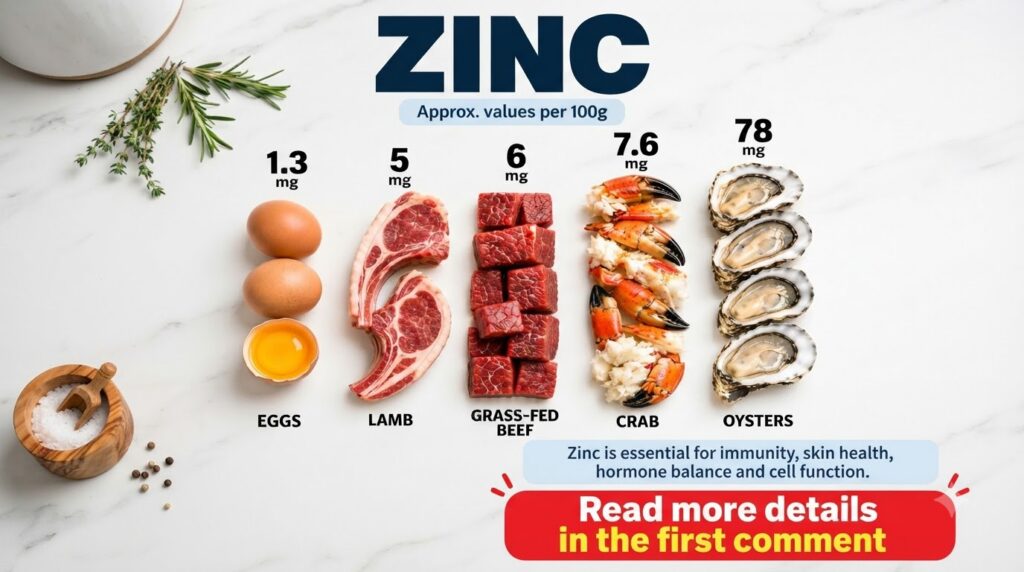
Incorporating more zinc into your diet can be delicious and diverse. Here’s a look at some of the best food sources, complete with a helpful nutrition comparison:
Zinc-Rich Food Chart
| Food | Calories | Protein | Carbs | Fat | Fiber | Main Nutrients | Best Benefit |
|---|---|---|---|---|---|---|---|
| Oysters (3 oz/85g) | 69 | 8g | 4g | 2g | 0g | Zinc, B12, Iron | Immune Support |
| Beef (3 oz/85g, cooked) | 182 | 25g | 0g | 9g | 0g | Zinc, Protein, Iron | Muscle Health |
| Lamb (3 oz/85g, cooked) | 200 | 25g | 0g | 11g | 0g | Zinc, Protein, B12 | Energy & Metabolism |
| Crab (3 oz/85g) | 82 | 16g | 0g | 1g | 0g | Zinc, B12, Selenium | Cell Protection |
| Eggs (1 large) | 70 | 6g | 0g | 5g | 0g | Zinc, Protein, Vit D | Overall Wellness |
| Lentils (1/2 cup cooked) | 115 | 9g | 20g | 0g | 8g | Zinc, Fiber, Folate | Digestive & Heart Health |
| Pumpkin Seeds (1 oz/28g) | 163 | 7g | 4g | 14g | 2g | Zinc, Magnesium, Iron | Hormonal Balance |
Scientific Explanation of Zinc’s Role
At a molecular level, zinc functions as a cofactor for hundreds of enzymes, meaning it’s a necessary component for these enzymes to perform their jobs. These enzymes are involved in critical biological processes like:
- DNA Synthesis and Repair: Essential for cell growth and replication.
- Protein Synthesis: Crucial for building and repairing tissues.
- Immune Function: Supports the development and function of immune cells.
- Antioxidant Defense: Helps protect cells from damage caused by free radicals.
- Cell Signaling: Involved in communication between cells, which is vital for many bodily functions.
Its widespread involvement makes zinc incredibly versatile and indispensable for maintaining good health.
Best Ways to Eat Zinc-Rich Foods
Adding more zinc to your diet doesn’t have to be complicated. Here are some simple and tasty ways to enjoy these nutrient powerhouses:
- Seafood Lover: Enjoy fresh oysters on the half shell (if safe and available) or incorporate crab meat into salads, pasta, or soups.
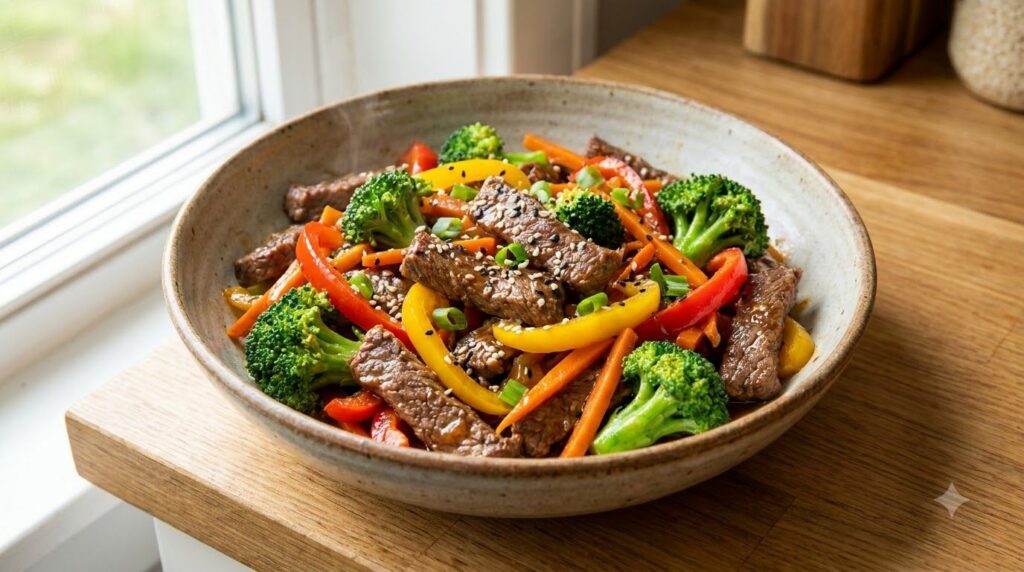
- Meat Mains: Opt for lean cuts of beef or lamb in stews, roasts, or grilled dishes. Pairing them with vitamin C-rich vegetables can enhance zinc absorption.
- Egg-cellent Choices: Start your day with scrambled eggs, omelets, or poached eggs. Eggs are a versatile source of zinc and protein.
- Plant-Based Power: Add lentils to soups, stews, or make a hearty lentil salad. Pumpkin seeds are perfect for sprinkling over yogurt, oatmeal, or salads, and make a great snack on their own.
- Nut & Seed Snacks: Keep a mix of zinc-rich seeds (like pumpkin, sesame, and sunflower seeds) and nuts (cashews, almonds) handy for quick, healthy snacks.
Potential Risks and Considerations
While zinc is crucial, both deficiency and excessive intake can have adverse effects.
Zinc Deficiency
A mild zinc deficiency is relatively common and can manifest as:
- Impaired immune function (more frequent colds)
- Slow wound healing
- Hair loss
- Diarrhea
- Loss of appetite
- Reduced sense of taste or smell
Groups at higher risk of deficiency include vegetarians/vegans (due to phytates in plant foods that inhibit absorption), pregnant and lactating women, individuals with digestive disorders, and those with chronic diseases.
Excessive Zinc Intake
While unlikely from food sources alone, consuming very high doses of zinc, usually from supplements, can lead to:
- Nausea, vomiting, diarrhea, and abdominal cramps
- Headaches and dizziness
- Reduced immune function
- Copper deficiency (long-term high zinc intake can interfere with copper absorption)
Always adhere to recommended daily allowances and consult a healthcare professional before taking high-dose supplements.
Practical Tips for Boosting Your Zinc Intake
- Prioritize Variety: Don’t rely on just one food. Incorporate a mix of animal and plant-based zinc sources into your diet daily.
- Combine for Better Absorption: Pair zinc-rich foods with sources of vitamin C (like citrus fruits, bell peppers, broccoli) as vitamin C can help with mineral absorption.
- Soak and Sprout: For plant-based zinc sources like legumes and seeds, soaking and sprouting can help reduce phytate levels, improving zinc bioavailability.
- Smart Snacking: Keep a bag of pumpkin seeds or cashews in your desk or bag for a convenient zinc boost.
- Meal Planning: Plan meals that feature zinc-rich proteins throughout the week.

FAQs About Zinc and Your Diet
What is zinc good for in the body?
Zinc is essential for a healthy immune system, wound healing, cell growth, DNA synthesis, and maintaining your senses of taste and smell.
How much zinc do I need daily?
The Recommended Dietary Allowance (RDA) for adult men is 11 mg per day, and for adult women, it’s 8 mg per day. Requirements may differ for pregnant or breastfeeding women.
Can I get enough zinc from plant-based foods?
Yes, but it requires careful planning. Plant sources like legumes, nuts, seeds, and whole grains contain zinc, but they also contain phytates, which can inhibit absorption. Soaking, sprouting, and fermenting these foods can improve zinc bioavailability.
What are the signs of zinc deficiency?
Common signs include frequent infections, slow wound healing, hair loss, diarrhea, loss of appetite, and changes in taste or smell.
Are zinc supplements necessary?
Most healthy individuals can get enough zinc through a balanced diet. Supplements may be recommended for those with deficiencies or increased needs, but always consult a healthcare professional first.
Can too much zinc be harmful?
Yes, excessive zinc intake, typically from high-dose supplements, can lead to side effects like nausea, vomiting, diarrhea, and even copper deficiency over time.
What foods have the most zinc?
Oysters are exceptionally rich in zinc. Other top sources include red meat (beef, lamb), poultry, crab, lobster, fortified cereals, beans, nuts, and seeds.
Is zinc important for vegetarians and vegans?
Yes, zinc is very important for vegetarians and vegans. They may need to pay extra attention to their intake due to the phytate content in many plant foods, focusing on a variety of legumes, nuts, seeds, and whole grains, and using preparation methods like soaking and sprouting.
Conclusion
Zinc is undoubtedly a powerhouse mineral, playing a critical role in countless bodily functions, from bolstering your immune system to keeping your skin vibrant and senses sharp. By incorporating a variety of zinc-rich foods into your diet, you can easily ensure you’re getting enough of this essential nutrient.
Whether you’re savoring the briny goodness of oysters, enjoying a lean cut of beef, or sprinkling pumpkin seeds on your morning oatmeal, making conscious choices about your food can lead to significant health benefits. Embrace these delicious options and nourish your body from the inside out.
Explore more healthy food content on our website to continue your journey towards a healthier, happier you!
This content is for educational purposes only and should not be considered medical advice. Consult a qualified healthcare professional for personalized dietary recommendations.