Ever wondered if certain foods are better for morning energy or evening relaxation? You’re not alone! Our bodies have natural rhythms, and what we eat can significantly impact how we feel throughout the day and into the night. Choosing the right foods can help you feel energized in the morning and promote restful sleep in the evening.
This guide will explore smart food choices to fuel your morning vitality and support your nightly rest. We’ll delve into the science behind these recommendations and provide practical tips to incorporate them into your daily routine. Get ready to nourish your body from sunrise to sunset!
Fueling Your Morning for Vitality
Starting your day with the right nutrients can set the tone for sustained energy, improved focus, and a positive mood. Think of your morning meal as the foundation for a productive day.
Morning Power Foods
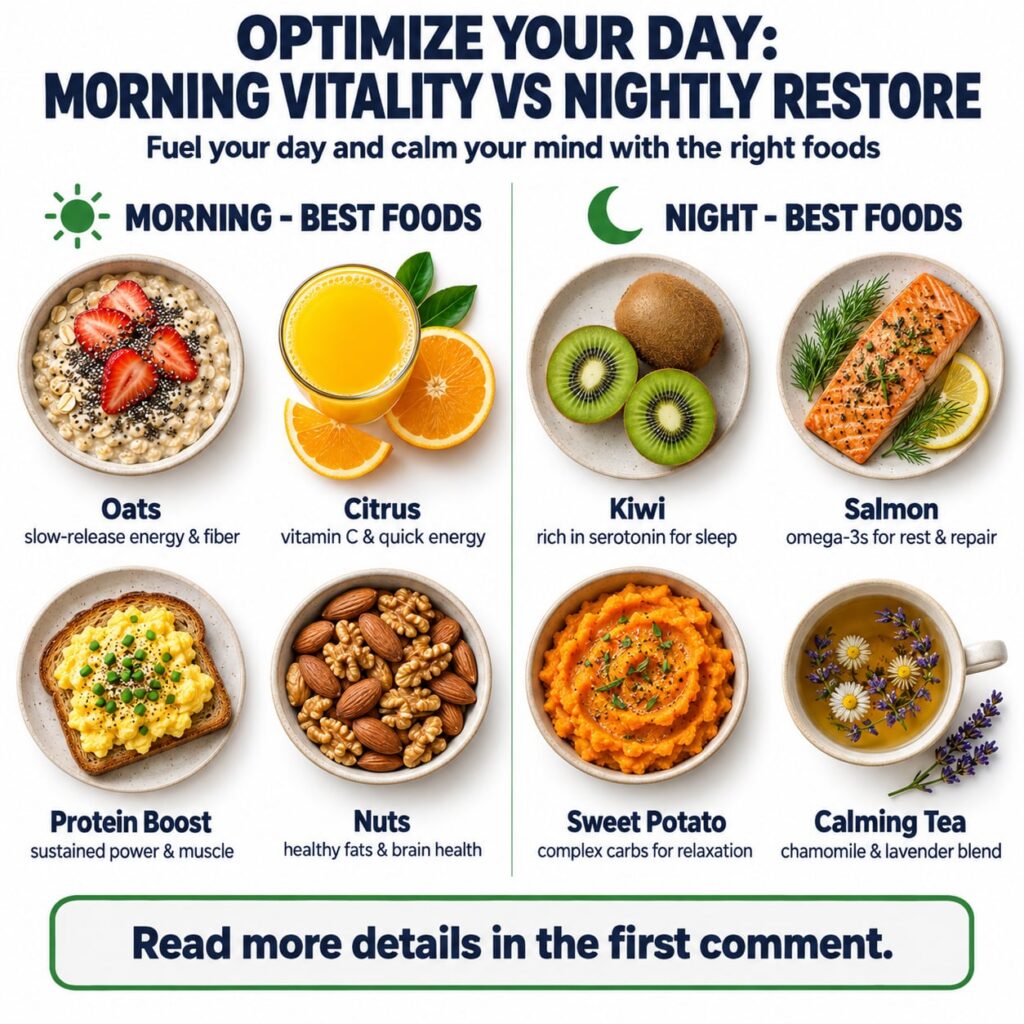
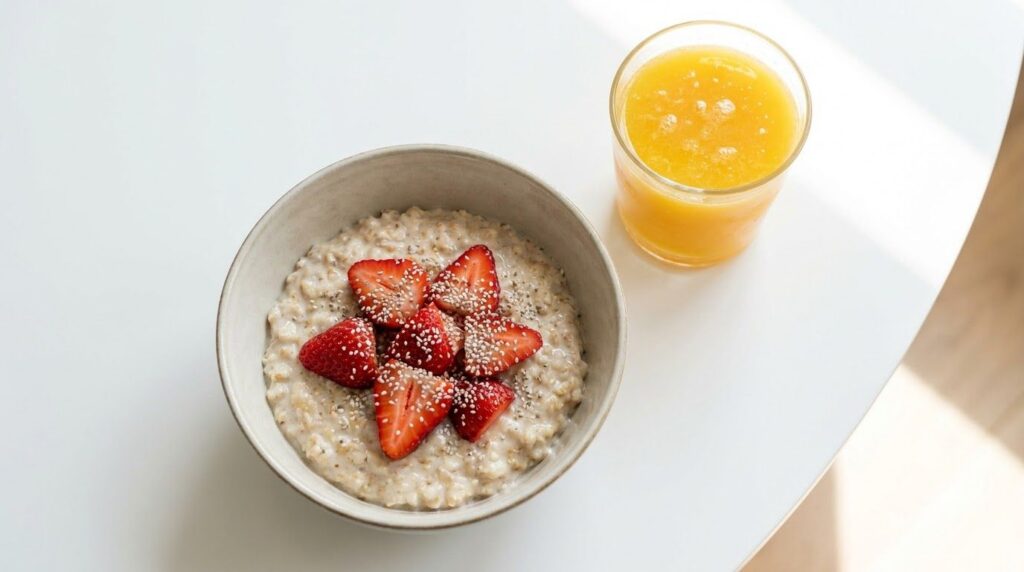
- Oats (with strawberries and chia seeds): Oats are a fantastic source of complex carbohydrates and soluble fiber. This means they release energy slowly, helping you avoid that mid-morning slump. Adding strawberries provides antioxidants and natural sweetness, while chia seeds boost fiber and omega-3s.
- Orange Juice: A glass of 100% orange juice is packed with Vitamin C, which is essential for immune function and can also play a role in energy metabolism. Enjoy it with fresh oranges for added fiber.
- Scrambled Eggs: Eggs are a complete protein source, meaning they provide all nine essential amino acids. Protein is crucial for satiety and helps stabilize blood sugar levels, keeping you feeling full and focused.
- Almonds and Walnuts: These nuts are rich in healthy fats, protein, and fiber, offering a sustained energy release. Walnuts are particularly noted for their omega-3 fatty acids, which can support brain health and focus.
Nourishing Your Night for Rest
Just as important as morning fuel is evening nourishment. Eating certain foods before bed can help your body relax, support the production of sleep-inducing hormones, and improve the quality of your rest.
Nighttime Nurturing Foods
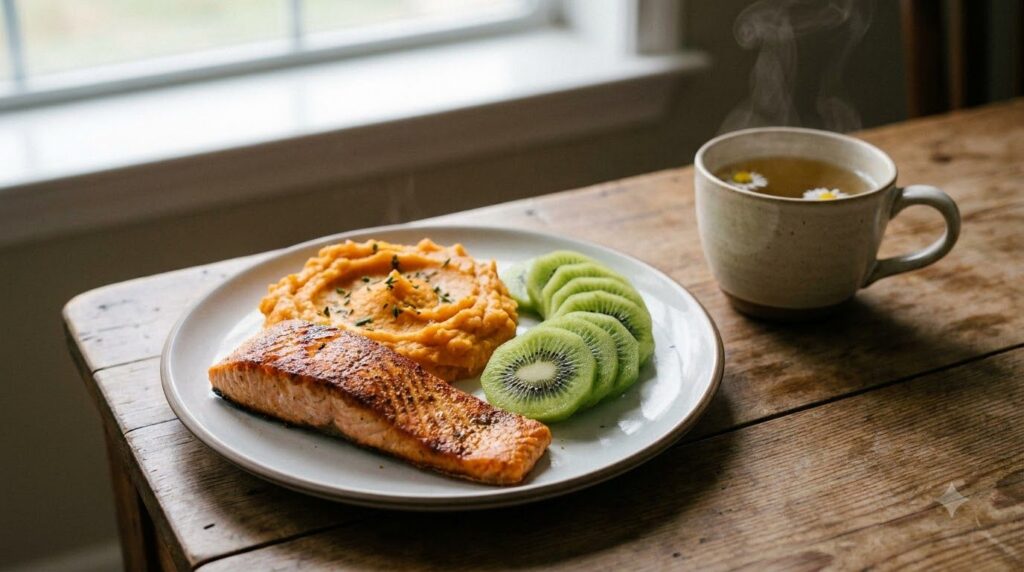
- Kiwi: Research suggests that kiwis may help improve sleep quality. They contain serotonin, which can promote relaxation, and antioxidants that may contribute to better sleep.
- Cooked Salmon: Rich in omega-3 fatty acids and Vitamin D, salmon can support the production of serotonin, a precursor to melatonin (the sleep hormone). Omega-3s also have anti-inflammatory properties that can contribute to overall well-being.
- Mashed Sweet Potato: Sweet potatoes provide complex carbohydrates, which can help trigger the release of serotonin. They also contain potassium, which may help relax muscles and promote a calmer state.
- Chamomile and Lavender Tea: These herbal teas are renowned for their calming properties. Chamomile contains apigenin, an antioxidant that may bind to certain receptors in your brain, promoting sleepiness and reducing insomnia. Lavender is also known for its soothing aroma and relaxing effects.
Common Eating Mistakes to Avoid
- Skipping Breakfast: Missing your morning meal can lead to energy dips, overeating later in the day, and difficulty concentrating.
- Heavy, Late-Night Meals: Eating large, fatty, or spicy meals close to bedtime can disrupt digestion and make it harder to fall asleep.
- Too Much Caffeine or Sugar in the Evening: Stimulants like caffeine and refined sugars can interfere with your body’s natural sleep cycle.
- Ignoring Hydration: Dehydration can lead to fatigue at any time of day, so ensure you’re drinking enough water.
Practical Tips for Daily Wellness
Incorporating these foods into your routine doesn’t have to be complicated. Here are some simple tips:
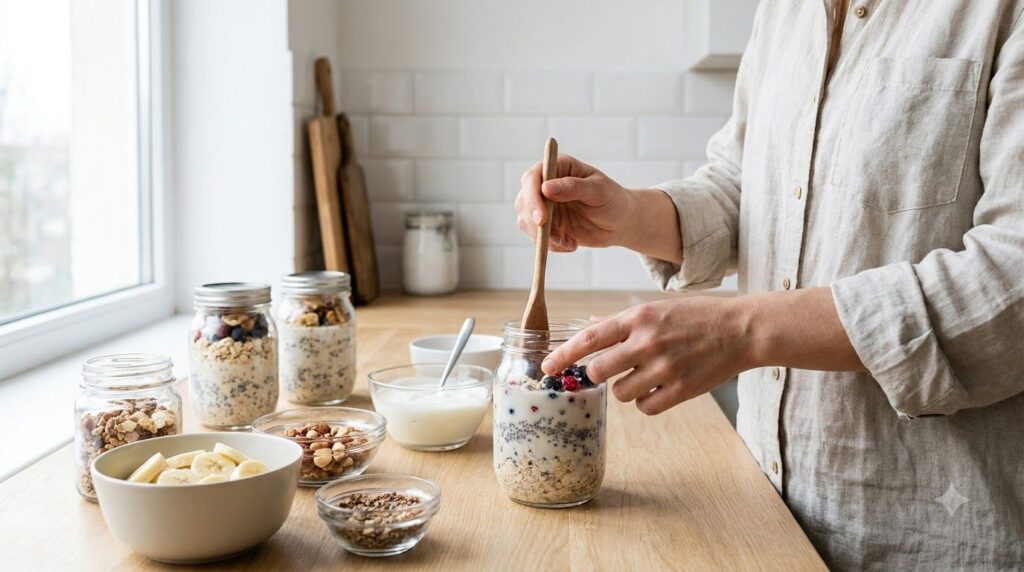
- Plan Ahead: Meal prepping oats for breakfast or cooking a batch of salmon for dinner can save time.
- Listen to Your Body: Pay attention to how different foods make you feel. Everyone’s body responds differently.
- Balance is Key: While focusing on specific foods, ensure your overall diet is balanced and varied throughout the day.
- Stay Hydrated: Drink water consistently throughout the day to support all bodily functions.
- Mindful Eating: Take your time to enjoy your meals. This can aid digestion and increase satisfaction.
FAQs About Eating for Daily Wellness
Q: Can I eat fruit before bed?
A: Yes, certain fruits like kiwi and bananas are often recommended for evening consumption due to their sleep-supporting nutrients. However, very sugary or acidic fruits might be best avoided right before bed for some individuals.
Q: How long before bed should I stop eating?
A: Aim to finish your last significant meal at least 2-3 hours before bedtime to allow for proper digestion. Light, sleep-friendly snacks are okay closer to bedtime.
Q: Are all carbs bad at night?
A: No. Complex carbohydrates like those found in sweet potatoes, whole grains, or brown rice can actually help promote sleep by increasing serotonin levels. It’s refined carbs and heavy, sugary options that are best avoided.
Q: What if I’m not hungry in the morning?
A: Start small! Even a piece of fruit or a small handful of nuts can kickstart your metabolism. Gradually increase your breakfast size as your body adjusts.
Q: Can these foods really improve my sleep?
A: While diet plays a role, sleep is complex. These foods may help support better sleep, but they are not a cure for chronic sleep issues. A holistic approach including good sleep hygiene and a healthy lifestyle is essential.
Conclusion
Making conscious food choices throughout your day can have a profound impact on your energy levels, mood, and sleep quality. By opting for nutrient-rich foods that fuel your mornings and soothe your evenings, you’re investing in your overall well-being. Remember, small, consistent changes can lead to significant improvements in how you feel every day.
We encourage you to experiment with these suggestions and find what works best for your body. Your journey to a healthier, more balanced life starts with what’s on your plate!
This content is for educational purposes only and should not be considered medical advice. Consult a qualified healthcare professional for personalized dietary recommendations.