Did you know that the way you prepare chia seeds can change how they affect your digestion and how full you feel? These tiny seeds are nutritional powerhouses, but their benefits can be optimized by a simple tweak in preparation.
Understanding the difference between a watery chia mix and a thick chia gel can help you choose the best method for your personal health goals. Whether you’re seeking sustained energy, better hydration, or longer-lasting fullness, learning how to prepare chia seeds is key.
In this article, we’ll dive into the science behind chia seed preparation, explore how different densities impact your body, and provide practical tips for making the most of this superfood.
The Magic of Chia Seeds: Tiny Powerhouses
Chia seeds are celebrated for their impressive nutritional profile. They’re packed with fiber, omega-3 fatty acids, protein, and various micronutrients like calcium and magnesium. These tiny seeds have a unique ability to absorb liquid – up to 10-12 times their weight – forming a gelatinous texture.
This gelling property is due to their high soluble fiber content, specifically a type of mucilage. When chia seeds come into contact with liquid, this mucilage forms a layer around each seed, creating a gel. This gel plays a crucial role in how your body digests and utilizes the nutrients from chia seeds.
How Preparation Impacts Digestion
The density of your chia seed mixture directly influences its journey through your digestive system. Think of it like a sponge: a dry sponge absorbs quickly, but a soaked one holds onto water much longer.
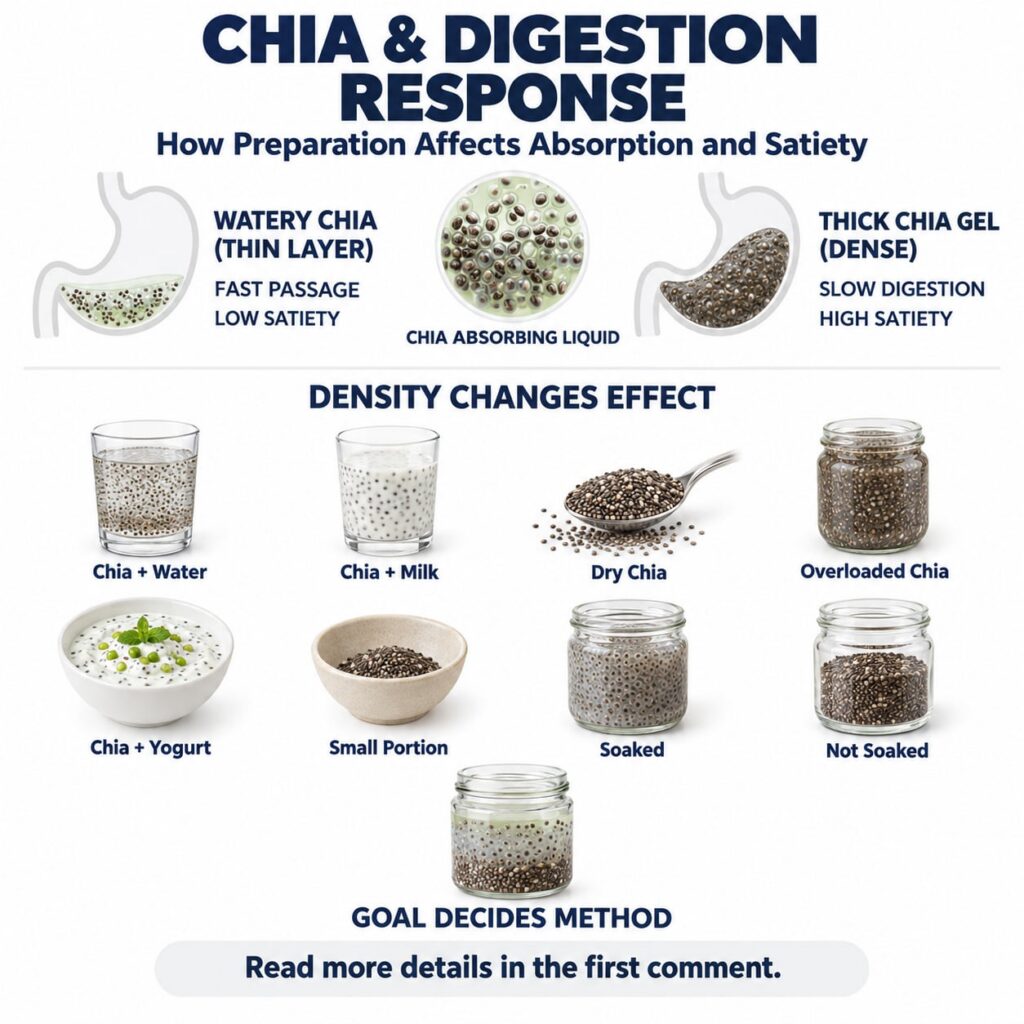
Watery Chia: Fast Passage and Quick Hydration
When chia seeds are mixed with a large amount of liquid, resulting in a thin, watery consistency, they tend to pass through your digestive system more quickly. This means:
- Faster Hydration: The water content is readily available for absorption, making it excellent for rehydration, especially post-workout.
- Quicker Energy Release: Nutrients may be absorbed somewhat faster, providing a quicker, albeit shorter-lived, energy boost.
- Lower Satiety: The rapid transit means you might not feel full for as long compared to a thicker gel.
This preparation is often preferred in hydrating beverages or light pre-workout snacks.
Thick Chia Gel: Lasting Fullness and Steady Energy
A thicker chia gel, achieved by using a higher ratio of seeds to liquid, behaves differently in your body:
- Slower Digestion: The dense gel creates a physical barrier that slows down the digestive process. This means a more gradual release of glucose into your bloodstream.
- Prolonged Satiety: The slow digestion contributes to a feeling of fullness that lasts longer, helping to curb cravings and reduce overall calorie intake.
- Stable Blood Sugar: By slowing nutrient absorption, thick chia gel can help stabilize blood sugar levels, preventing spikes and crashes.
This method is ideal for breakfast or snacks where sustained energy and fullness are desired.
Goal Decides Method: Tailoring Your Chia Prep
The infographic wisely states: “GOAL DECIDES METHOD.” This highlights the importance of matching your chia preparation to your specific health objectives.
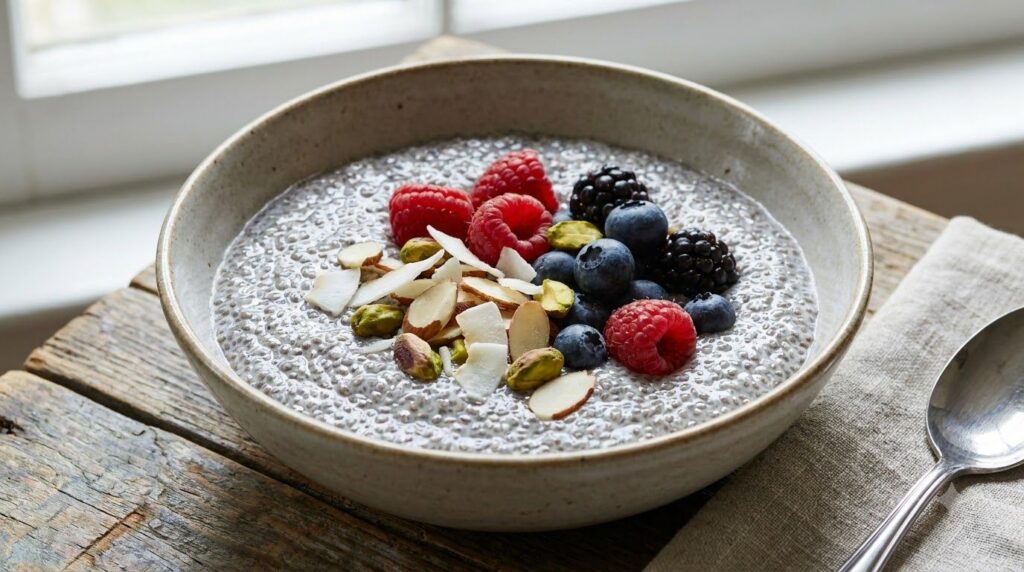
- For sustained energy and appetite control: Opt for a thicker gel. Think overnight chia pudding or a dense chia smoothie bowl.
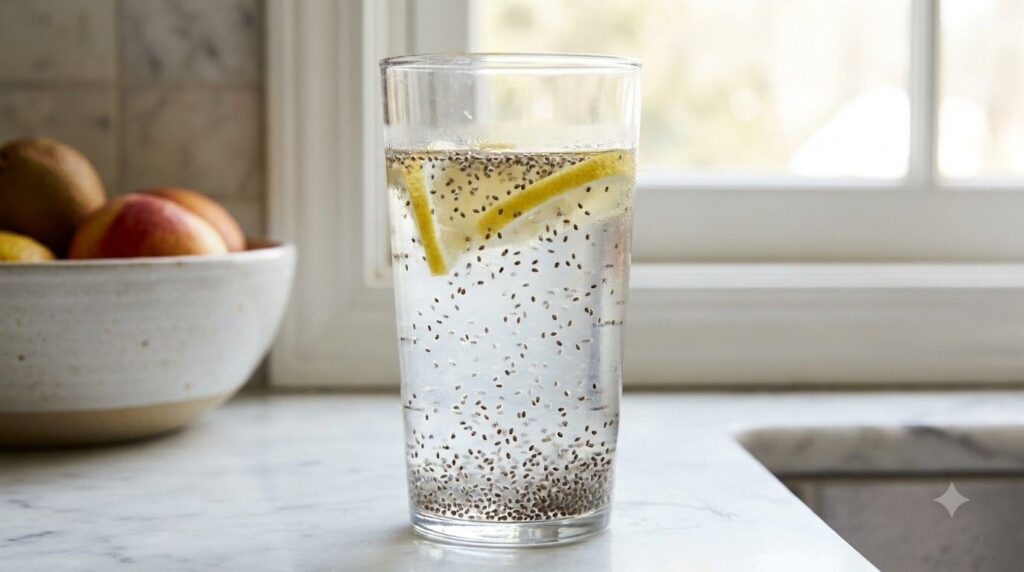
- For quick hydration and a lighter feel: Choose a more watery consistency. Add a spoonful to your water bottle or blend into a thin fruit smoothie.
- For adding texture and a fiber boost: Sprinkle dry chia seeds into yogurt, oatmeal, or salads, but ensure you drink plenty of fluids separately to aid digestion.
Practical Chia Preparation Examples
Let’s look at common ways to prepare chia seeds and what to expect:
Chia + Water/Milk (Soaked)
This is the classic way to make chia gel or pudding. Typically, 2 tablespoons of chia seeds to 1/2 cup of liquid (water, milk, or plant-based milk) creates a nice thick gel. Let it sit for at least 15-30 minutes, or preferably overnight, to allow full gelling. This yields a satisfying, digestion-slowing gel.
Dry Chia (Sprinkled)
Sprinkling dry chia seeds directly onto food (like salads, yogurt, or oatmeal) means they will absorb liquid from the surrounding food and your digestive tract. While convenient, they may not form a uniform gel and can absorb water from your body, so it’s crucial to drink plenty of water throughout the day to prevent constipation.
Overloaded Chia (Too Many Seeds, Too Little Liquid)
If you use too many chia seeds relative to the liquid, they won’t fully hydrate. This can result in a clumpy, less pleasant texture and may not provide the full digestive benefits of a well-formed gel. It also increases the risk of digestive discomfort if not enough additional fluid is consumed.
Chia + Yogurt
Mixing chia seeds into yogurt is a popular choice. The yogurt provides sufficient liquid for the chia seeds to swell and form a gel within the dairy. This combines the protein and probiotics of yogurt with the fiber and omega-3s of chia for a balanced, filling snack.
Practical Tips for Enjoying Chia Seeds
- Start Small: If you’re new to chia seeds, begin with 1-2 tablespoons per day and gradually increase your intake to allow your digestive system to adjust to the fiber.
- Hydrate Well: Always drink plenty of water throughout the day, especially when consuming chia seeds, to ensure proper digestion and prevent discomfort.
- Experiment with Ratios: Play around with the chia seed to liquid ratio to find your preferred consistency. A common starting point is 1:4 (1 part chia, 4 parts liquid).
- Flavor It Up: Chia gel on its own can be bland. Add fruits, spices (like cinnamon or vanilla), sweeteners (maple syrup, honey), or mix into smoothies for extra flavor.
- Pre-Soak for Convenience: Prepare a batch of chia gel ahead of time and store it in the fridge for quick additions to meals and snacks.
FAQs About Chia Seed Preparation
Q1: Can I eat chia seeds dry?
While you can eat them dry, it’s generally not recommended to consume large quantities without sufficient liquid. They will absorb water from your body, which can lead to dehydration or digestive discomfort like constipation. It’s best to soak them or consume them with plenty of fluids.
Q2: How long should I soak chia seeds?
For a basic gel, 15-30 minutes is usually enough. For a thicker, more uniform pudding consistency, soaking for at least 2 hours or overnight in the refrigerator is ideal.
Q3: What is the ideal ratio of chia seeds to liquid for a gel?
A good starting point is 1 part chia seeds to 4 parts liquid (e.g., 1/4 cup chia seeds to 1 cup liquid) for a thick gel. For a thinner consistency, you can use a ratio of 1:6 or even 1:8.
Q4: Do chia seeds lose nutrients when soaked?
No, soaking chia seeds does not significantly reduce their nutritional value. In fact, soaking can improve digestibility and nutrient absorption by breaking down certain anti-nutrients present in raw seeds.
Q5: Are chia seeds good for weight loss?
Chia seeds can be a helpful addition to a weight management plan due to their high fiber and protein content, which promote satiety and reduce overall calorie intake. However, they are not a magic bullet and should be part of a balanced diet and healthy lifestyle.
Q6: Can chia seeds cause digestive issues?
For some people, especially those unaccustomed to high-fiber foods, consuming too many chia seeds too quickly or without enough liquid can cause bloating, gas, or constipation. Gradually increasing your intake and ensuring proper hydration can help prevent these issues.
Conclusion
Chia seeds are incredibly versatile and nutritious, offering a range of health benefits from improved digestion to sustained energy. By simply adjusting how you prepare them – whether as a watery mix for quick hydration or a thick gel for lasting fullness – you can unlock their full potential and align their benefits with your personal health goals.
Experiment with different preparations and discover what works best for your body and your lifestyle. Happy gelling!
This content is for educational purposes only and should not be considered medical advice. Consult a qualified healthcare professional for personalized dietary recommendations.