There’s a special kind of peace in tending to your garden, isn’t there? That feeling of connection as you watch your plants grow and thrive is truly rewarding. And just like we nourish ourselves, our plants need the right kind of care to flourish. Today, we’re diving into a gardening secret that’s simple, natural, and incredibly effective: Worm Tea Water!
You might have heard about the magic of worm castings, but did you know you can easily turn those nutrient-rich treasures into a liquid gold for your garden? Worm tea is a fantastic way to give your plants a gentle, yet powerful, boost, leading to healthier growth and more abundant harvests. Let’s explore how this amazing elixir can transform your garden!
What Exactly is Worm Tea Water?
Worm tea, sometimes called ‘worm compost leachate’ or ‘liquid gold,’ is essentially water that has steeped with worm castings. Worm castings are the rich, nutrient-dense byproduct of composting worms (like red wigglers) munching through organic matter. When you steep these castings in water, beneficial microbes and soluble nutrients are extracted into the liquid, creating a powerful organic fertilizer and soil conditioner.
It’s not just a fertilizer; it’s a living solution packed with beneficial microorganisms that can do wonders for your soil’s health and your plants’ vitality. Think of it as a probiotic drink for your garden!
The Amazing Benefits of Using Worm Tea
Why should you make worm tea a staple in your gardening routine? The benefits are abundant and truly impressive:
- Boosts Plant Growth: Worm tea delivers essential nutrients like nitrogen, phosphorus, and potassium in a readily available form, promoting vigorous growth.
- Enhances Soil Health: The beneficial microbes in worm tea improve soil structure, aeration, and water retention, creating a healthier environment for roots.
- Natural Pest and Disease Resistance: A thriving microbial community in the soil and on plant leaves can help plants naturally ward off common pests and diseases.
- Increases Yields: Healthier plants with stronger root systems are more productive, leading to bigger, tastier harvests of your favorite vegetables and flowers.
- Completely Organic and Safe: It’s a natural product, meaning no harsh chemicals or synthetic additives, making it perfect for organic gardening and safe for your family and pets.
- Improves Nutrient Uptake: The microorganisms help break down nutrients already in the soil, making them more accessible for your plants.
How to Make Your Own Worm Tea Water (The Simple Way!)
Making worm tea is much easier than you might think! Here’s a simple method to brew your own batch:
What You’ll Need:
- Worm Castings: About 1-2 cups for a 5-gallon batch. You can buy them or use them from your own vermicompost bin.
- Non-Chlorinated Water: Around 5 gallons. If you’re using tap water, let it sit out for 24-48 hours to allow the chlorine to dissipate.
- A Bucket: A 5-gallon bucket works perfectly.
- A Mesh Bag or Old Pillowcase: To hold the castings, like a giant tea bag.
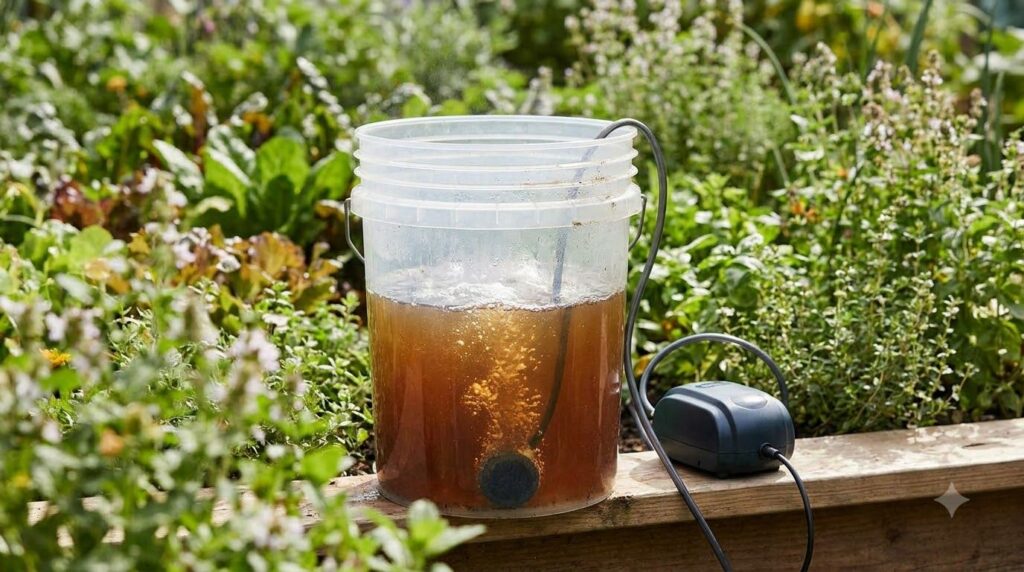
- Optional: An Air Pump and Airstone: For ‘aerated’ worm tea, which boosts microbial growth (highly recommended!).
Step-by-Step Instructions:
- Prepare Your Water: Fill your 5-gallon bucket with non-chlorinated water.
- Create Your Tea Bag: Place 1-2 cups of worm castings into your mesh bag or pillowcase. Tie it securely.
- Steep the Castings: Submerge the bag of worm castings into the bucket of water.
- Aeration (Optional but Recommended): If you have an air pump and airstone, place the airstone into the bucket and turn on the pump. This adds oxygen, encouraging the beneficial aerobic microbes to multiply.
- Brew Time: Let the mixture steep and aerate for 24-48 hours. The water should turn a light to dark amber color. The longer it brews with aeration, the more microbial activity you’ll get.
- Strain and Use: Once brewed, remove the bag of castings. The liquid is your worm tea! You can use the leftover castings in your garden soil.
How to Apply Your Worm Tea Water
Once your worm tea is ready, it’s time to treat your plants!
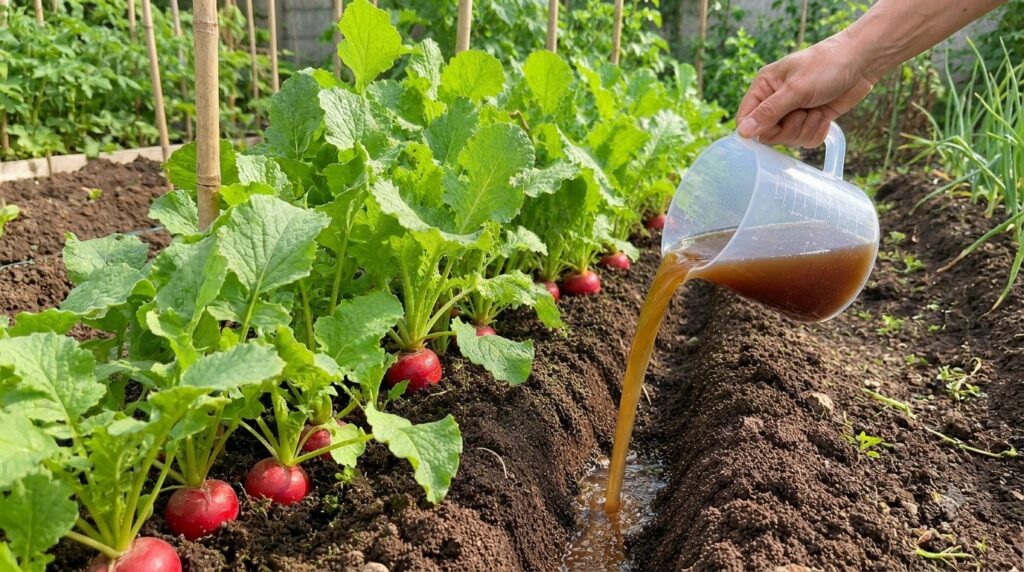
- Soil Drench: This is the most common method. Dilute your worm tea with water at a ratio of 1:10 (1 part worm tea to 10 parts water) for general use. You can even use it undiluted if your plants look stressed or need an extra boost. Pour it directly onto the soil around the base of your plants, allowing the roots to absorb the nutrients and microbes.
- Foliar Spray: For a quick nutrient boost and to help deter pests, you can use worm tea as a foliar spray. Filter the tea (to prevent sprayer clogs) and dilute it 1:10 with water. Spray it directly onto the leaves of your plants, ideally in the early morning or late evening to prevent leaf burn.
- Seedling Starter: Use diluted worm tea (1:10) to water your seedlings for a strong, healthy start.
Tips for Best Results
- Use it Fresh: Worm tea is a living solution. Try to use it within 24-48 hours of brewing, especially if it’s aerated, to ensure the beneficial microbes are at their peak.
- Don’t Overdo It: While worm tea is gentle, consistent application every 2-4 weeks during the growing season is more effective than one massive drench.
- Store Castings Properly: Keep your worm castings moist and in a dark place until you’re ready to make tea to preserve their microbial life.
- Observe Your Plants: Pay attention to how your plants respond. You’ll likely see lusher foliage, more vibrant blooms, and increased fruit set.
Embracing worm tea water in your garden is a wonderful step towards truly organic and sustainable gardening. It’s a simple way to give back to your soil, nurture your plants, and enjoy the satisfaction of a thriving, healthy harvest. What’s your current favorite thing to grow, and how do you keep it thriving? Have you tried worm tea before? Share your tips and experiences in the comments below – we’d love to hear from you!