There’s something incredibly satisfying about nurturing your garden and watching your plants truly thrive! We all want healthy, vibrant plants that reward us with beautiful blooms and bountiful harvests. And what if we told you one of the best natural boosts for your garden might be right in your fireplace?
Today, we’re diving into the wonderful world of Wood Ash Water – a simple, organic solution that can supercharge your plants and improve your soil. It’s an age-old secret for giving your garden that extra push, leading to stronger growth and a fantastic yield.
What Exactly Is Wood Ash Water?
Wood ash water is simply water infused with the beneficial minerals from natural wood ash. When you burn natural, untreated wood (like from a fireplace or wood stove), the leftover ash is rich in essential nutrients that plants adore. These include potassium, calcium, and phosphorus, along with a host of beneficial micronutrients.
The Amazing Benefits for Your Garden
Why should you consider using wood ash water? Here’s why it’s a gardener’s best friend:
- Potassium Powerhouse: Wood ash is particularly high in potassium (K), which is crucial for overall plant health, strong root development, disease resistance, and vibrant flowering and fruiting.
- Calcium Boost: Calcium helps strengthen cell walls, preventing issues like blossom end rot in tomatoes and peppers.
- pH Balancer: Wood ash is alkaline, which means it can help raise the pH of acidic soils, making it more hospitable for many common garden plants.
- Micronutrient Magic: It also contains trace elements like magnesium, boron, and zinc, all vital for healthy plant functions.
- Pest Deterrent: Some gardeners find that a light application around the base of plants can help deter certain soft-bodied pests.
How to Make Your Own Wood Ash Water
Making this natural garden elixir is incredibly easy! Just remember to only use ash from untreated wood – no charcoal briquettes, glossy paper, or treated lumber, as these can contain harmful chemicals.
What You’ll Need:
- Natural wood ash (from a fireplace or wood stove)
- A large bucket or container
- Water
- A stirring stick
- Optional: A strainer or cheesecloth
Step-by-Step Instructions:
- Collect Your Ash: Gather about 1-2 cups of cooled wood ash.
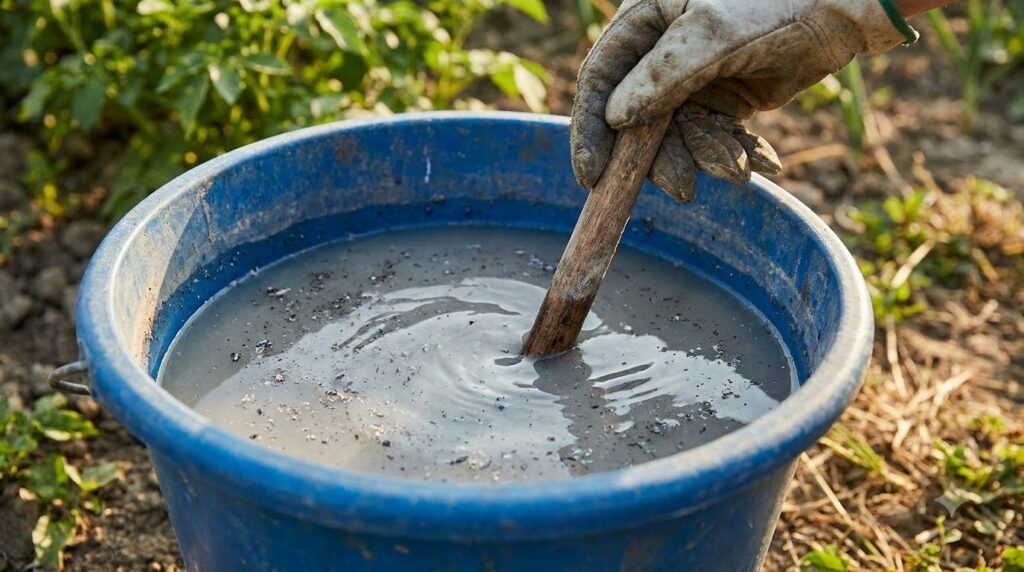
- Add Water: Place the ash in your bucket and add 5 gallons (about 19 liters) of water.
- Stir Well: Mix the ash and water thoroughly.
- Let it Steep: Allow the mixture to sit for at least 24 hours, or even up to a few days. This allows the minerals to dissolve into the water.
- Strain (Optional but Recommended): For a cleaner application, you can strain the liquid to remove any larger ash particles. This helps prevent clogs in watering cans.
How to Use Wood Ash Water Safely and Effectively
Once your wood ash water is ready, it’s time to put it to use! Remember, a little goes a long way.
Application Methods:
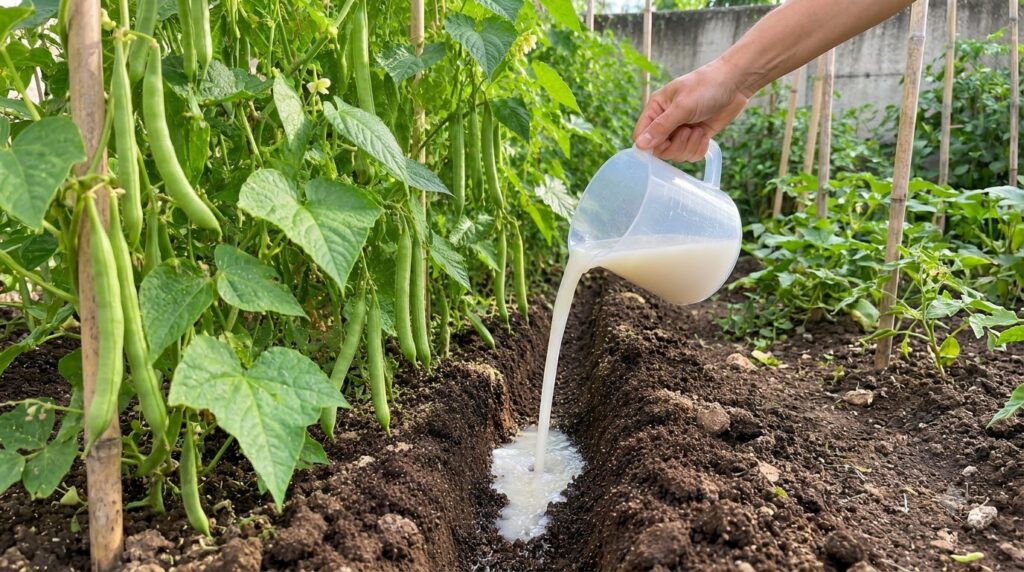
- Soil Drench: This is the most common and effective method. Simply pour the wood ash water directly onto the soil around the base of your plants. This allows the nutrients to seep down to the roots.
- Compost Boost: Add wood ash water to your compost pile to speed up decomposition and enrich the compost with minerals.
Which Plants Love It?
Many plants benefit from wood ash water, especially those that thrive in slightly alkaline soil or have high potassium needs:
- Fruiting Vegetables: Tomatoes, peppers, squash, cucumbers, and beans will appreciate the potassium for better fruit production.
- Root Vegetables: Carrots, potatoes, and radishes can benefit from the potassium and calcium for strong root development.
- Flowering Plants: Many flowering annuals and perennials will produce more vibrant blooms with a potassium boost.
- Lawns: Can be used to de-acidify and provide nutrients to lawns, but apply sparingly.
Plants to Avoid:
Avoid using wood ash water on acid-loving plants like:
- Blueberries
- Azaleas
- Rhododendrons
- Gardenias
- Strawberries
Important Considerations for Success
- Test Your Soil: Before regular use, it’s always a good idea to know your soil’s current pH. If your soil is already alkaline, adding more wood ash can raise the pH too high, which can harm plants.
- Use Sparingly: Don’t overdo it! Too much wood ash can lead to a nutrient imbalance or excessively high pH. Apply every 4-6 weeks during the growing season, or as needed based on plant health and soil tests.
- Never Use Ash from Treated Wood: This is crucial. Ash from chemically treated wood, painted wood, or pressed wood products contains toxins that will harm your garden.
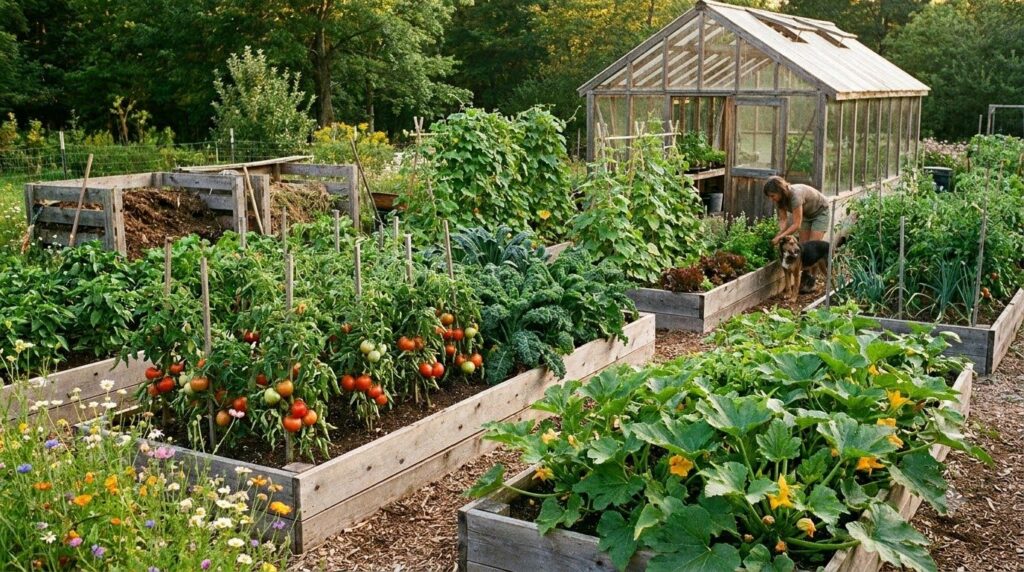
Start Nourishing Your Garden Naturally!
Wood ash water is a fantastic, free, and natural way to give your garden a healthy boost. It’s an eco-friendly approach that turns a waste product into a valuable resource, helping you grow more vibrant flowers and delicious vegetables.
Give it a try and watch your garden flourish! Do you have any other natural garden feeding methods you swear by? We’d love to hear your tips and tricks in the comments below!