There’s nothing quite as satisfying as watching a tiny seed transform into a thriving plant, eventually yielding a bounty of fresh vegetables for your home harvest. But for many gardeners, the waiting game can be nerve-wracking. How long does it take for seeds to sprout? Knowing the essential germination times for your favorite vegetables is a game-changer, helping you plan your garden, reduce uncertainty, and ensure a successful growing season.
Why Germination Time is Your Secret Gardening Weapon
Understanding when your seeds are likely to pop through the soil isn’t just about curiosity; it’s a fundamental aspect of successful gardening. Here’s why it matters:
- Planning Your Garden: Knowing germination times helps you stagger plantings for a continuous harvest or time your indoor seed starting perfectly for transplanting.
- Troubleshooting: If a seed hasn’t germinated within its typical window, you know it’s time to investigate potential issues like soil moisture, temperature, or seed viability, rather than waiting indefinitely.
- Optimizing Conditions: Different seeds have different needs. Knowing their expected germination helps you provide the ideal environment (e.g., warmer soil for peppers, cooler for carrots) right from the start.
- Managing Expectations: It prevents unnecessary worrying or prematurely discarding seeds that are simply slow growers.
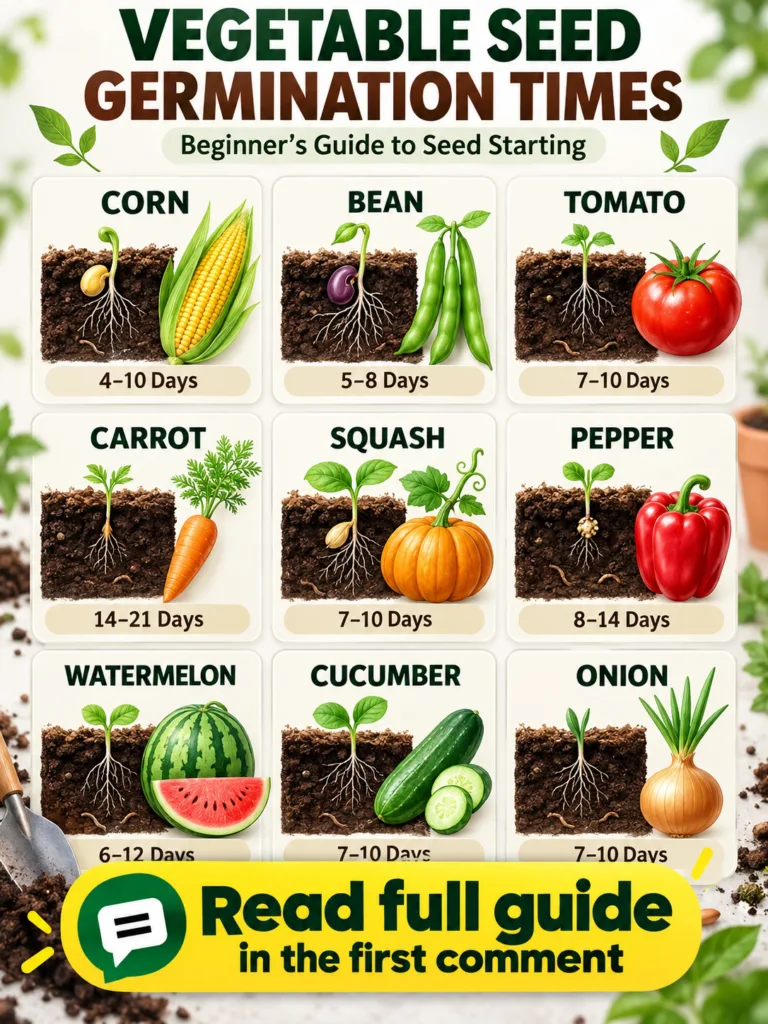
Essential Vegetable Seed Germination Times for a Bountiful Harvest
Let’s dive into some popular vegetables and their typical germination periods. Keep in mind that these are averages, and actual times can vary based on specific varieties, growing conditions, and seed age.
Corn (4-10 Days)
Sweet corn is a summer favorite, and its seeds usually sprout quite quickly. They prefer warm soil (above 60°F or 15°C) and consistent moisture. Planting them directly in the garden once the danger of frost has passed is common.
Bean (5-10 Days)
Beans are also fast germinators, thriving in warm soil. Both bush and pole beans are easy to start directly from seed. Ensure good soil drainage to prevent seeds from rotting before they can sprout.
Tomato (5-10 Days)
Tomatoes are a staple in many home gardens. Starting them indoors 6-8 weeks before the last frost date is typical. They love warmth for germination, so a heat mat can be beneficial for faster sprouting.
Carrot (7-21 Days)
Carrots can be notoriously slow, sometimes taking up to three weeks to show signs of life. Consistent moisture is crucial for carrot seeds, which are tiny and can dry out easily. Lightly covering them with fine soil or vermiculite helps.
Squash (4-10 Days)
Summer and winter squash varieties are vigorous growers, and their seeds germinate fairly quickly in warm soil. Plant directly outdoors after the last frost, or start indoors a few weeks prior in peat pots to minimize transplant shock.
Pepper (7-14 Days)
Peppers, like tomatoes, are heat lovers. They can take a bit longer to germinate than some other vegetables, and consistent warmth (around 80-85°F or 27-29°C) significantly speeds up the process. Bottom heat from a seed mat is highly recommended.
Watermelon (5-12 Days)
These refreshing fruits need warm soil to germinate reliably. Watermelon seeds are relatively large and sprout quickly when conditions are right. Plant them directly outdoors in well-drained, sunny spots after all danger of frost is gone.
Cucumber (3-10 Days)
Cucumbers are among the fastest germinators, often popping up in just a few days if the soil is warm enough. They are best direct-sown after the last frost date, as they don’t always appreciate being transplanted.
Onion (7-14 Days)
Onions can take up to two weeks to germinate. They can be started indoors several weeks before the last frost or direct-sown in early spring. Consistent moisture and cooler temperatures (around 60-70°F or 15-21°C) are ideal for their germination.
Factors That Influence Germination Success
While the infographic provides excellent guidelines, several factors can influence how quickly and successfully your seeds sprout:
- Temperature: Each seed has an optimal temperature range for germination. Too cold or too hot can prevent sprouting or cause slow, weak growth.
- Moisture: Seeds need consistent moisture to soften their outer shell and activate internal processes, but too much can lead to rot. Well-draining soil is key.
- Light: Most vegetable seeds germinate best in darkness, but some, like lettuce, require light. Always check specific seed packet instructions.
- Soil Quality: A light, airy, sterile seed-starting mix provides the best environment for delicate seedlings to emerge and establish roots.
- Seed Viability & Age: Fresh, high-quality seeds have the best germination rates. Older seeds may still sprout, but often less reliably and over a longer period.
Tips for Optimal Seed Starting
Ready to get those seeds growing? Follow these essential tips:
- Read Seed Packets: Always check specific instructions for planting depth, spacing, temperature, and light requirements.
- Use Quality Seed Starting Mix: Avoid heavy garden soil for starting seeds indoors.
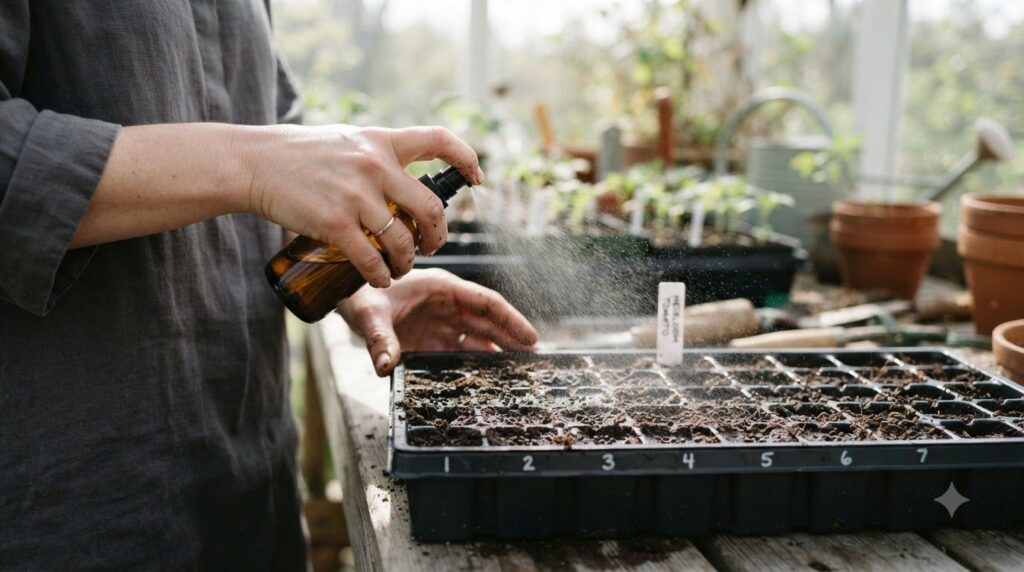
- Provide Consistent Moisture: Keep the soil moist but not soggy. A spray bottle or bottom watering can help.
- Ensure Adequate Warmth: For heat-loving plants, a seedling heat mat can make a significant difference.
- Label Everything: It’s easy to forget what you planted where!
- Provide Good Air Circulation: This helps prevent damping-off disease.
Start Your Home Harvest Journey Today!
With a better understanding of essential germination times and the factors that influence them, you’re well on your way to a more successful and less stressful gardening experience. Whether you’re a seasoned pro or just starting your green thumb journey, mastering the art of seed germination is incredibly rewarding. Happy planting, and here’s to your best home harvest yet!