Hibiscus Flower Water: Refreshing Taste, Powerful Health Benefits.
What if a vibrant, delicious drink held secrets to your body’s daily cleansing? Imagine a beverage that not only quenches your thirst but also offers a gentle, natural hand to some of your most vital organs. This isn’t a mythical elixir from a faraway land, but a beloved traditional flower water, surprisingly simple to prepare right in your own kitchen.
Known by many names, from Agua de Jamaica to Roselle tea, this stunning crimson drink has been cherished for centuries. But beyond its captivating color and tangy flavor, it’s gaining recognition for its potential to support your body’s natural detoxification processes, particularly benefiting your kidneys and liver. Ready to uncover the refreshing truth?
Why This Matters: Unlocking Nature’s Gentle Support
In our modern world, we’re constantly seeking ways to feel our best, improve vitality, and prevent common health issues naturally. The concept of “detox” often conjures images of restrictive diets or intense cleanses, but what if supportive cleansing could be as simple as enjoying a delicious, hydrating drink?
Hibiscus flower water speaks to this desire for natural, accessible wellness. People are increasingly interested in plant-based solutions that offer a gentle approach to supporting their body’s inherent functions, rather than harsh interventions. This beautiful infusion offers a way to do just that, promoting a sense of well-being without overwhelming your system.
For those aged 35-70 who are proactively researching natural wellness approaches, this traditional remedy resonates. It’s a testament to ancient wisdom now backed by growing scientific curiosity, making it an appealing choice for anyone looking to incorporate healthy habits that support long-term health, especially for the kidneys and liver, two organs crucial for overall vitality.
The Heart of the Matter: How Hibiscus Water Works Wonders
What Exactly is Hibiscus Flower Water?
At its core, hibiscus flower water (or Agua de Jamaica) is an infusion made from the dried calyces (the protective leaf-like structures under the petals) of the Roselle plant (Hibiscus sabdariffa). These deep red calyces are steeped in hot water, creating a vibrant, tart, and incredibly refreshing beverage.
The Power Within: Key Compounds
The magic of hibiscus comes from its rich array of beneficial plant compounds. It’s particularly celebrated for:
- Anthocyanins: These are the pigments that give hibiscus its stunning red color and powerful antioxidant properties.
- Flavonoids: Another group of antioxidants that help combat oxidative stress in the body.
- Organic Acids: Including citric acid and hibiscus acid, which contribute to its distinct tangy flavor and may offer metabolic benefits.
- Polysaccharides: Complex carbohydrates that might play a role in immune support.
Traditional Wisdom Meets Modern Understanding
For centuries, hibiscus has been revered in various cultures:
- Traditional Use: It has been traditionally used as a diuretic, a cooling beverage in hot climates, and a gentle aid for digestion. In folk medicine, it’s also been employed to support liver and kidney function and maintain healthy blood pressure.
- Modern Scientific Understanding: While more research is always ongoing, modern studies have begun to explore and validate some of these traditional uses. Hibiscus’s strong antioxidant profile is a key area of interest. Some studies suggest it may help maintain healthy blood pressure levels already within the normal range, and its diuretic properties could gently support kidney function. Research also points to its potential for liver protective effects, helping to shield this vital organ from oxidative stress.
It’s important to remember that while these findings are promising, hibiscus flower water is a supportive beverage, not a medical treatment or cure for any disease. It works best as part of a balanced, healthy lifestyle.
Potential Wellness Benefits You May Experience
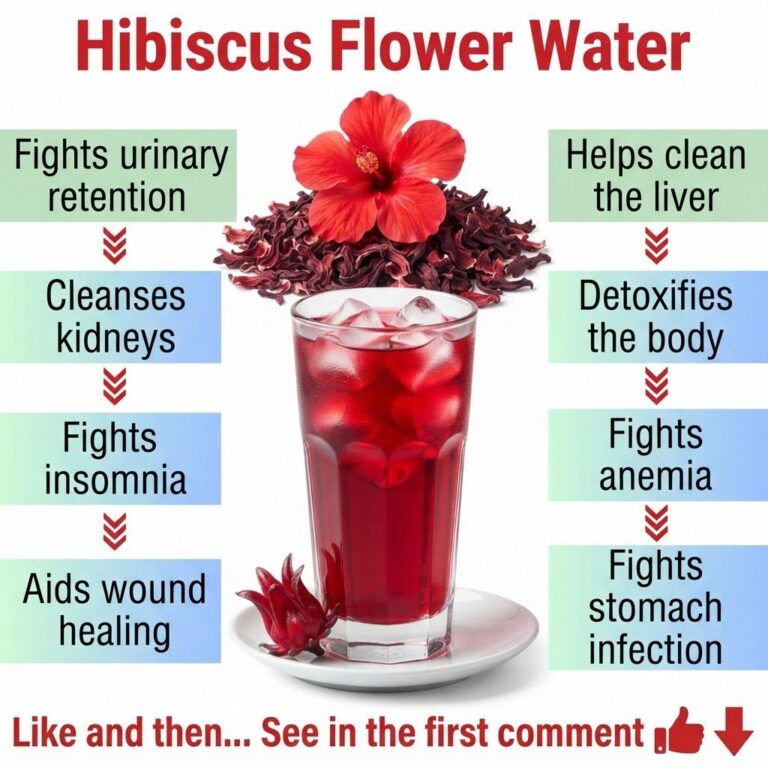
- Natural Hydration: A delicious and healthy alternative to sugary drinks, encouraging you to drink more water.
- Antioxidant Boost: Rich in anthocyanins and flavonoids, it helps protect your cells from damage caused by free radicals.
- Blood Pressure Support: Several studies indicate that regular consumption may help maintain healthy blood pressure levels already within a normal range.
- Gentle Diuretic Action: This can help support kidney function and reduce water retention.
- Liver Support: Its antioxidant properties may help protect liver cells from damage and support the liver’s natural detoxification processes.
- Digestive Comfort: Traditionally used to aid digestion, it can be a soothing addition after meals.
Your Practical Guide: Crafting Your Own Hibiscus Elixir
Making hibiscus flower water at home is incredibly easy, affordable, and rewarding. Here’s how to do it:
Ingredients:
- 1/2 cup dried hibiscus calyces (often found in Latin American markets or health food stores)
- 8 cups filtered water
- Optional natural sweeteners: honey, maple syrup, stevia (to taste)
- Optional garnishes: fresh lime or orange slices, mint leaves, ginger slices
Simple Preparation Steps:
- Rinse: Briefly rinse the dried hibiscus calyces under cold water to remove any dust.
- Boil Water: In a large pot, bring the 8 cups of filtered water to a rolling boil.
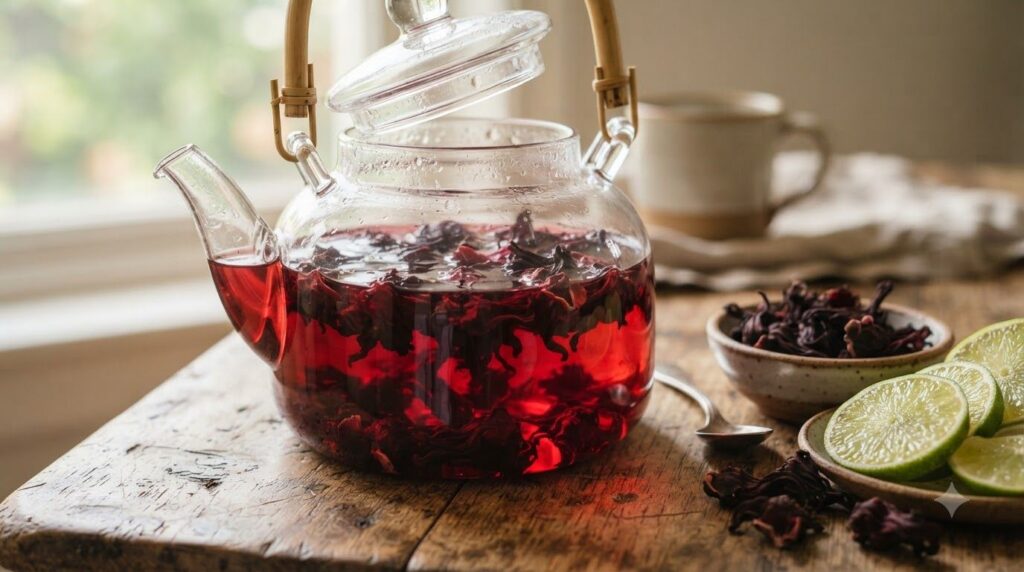
- Steep: Remove the pot from the heat and immediately add the rinsed hibiscus calyces. Stir gently to ensure they are fully submerged.
- Infuse: Cover the pot and let it steep for 15-20 minutes. For a stronger flavor, you can steep for up to 30 minutes, but avoid over-steeping as it can become overly bitter.
- Strain: Place a fine-mesh strainer over a large pitcher or heat-proof container. Pour the hibiscus infusion through the strainer, pressing down on the softened calyces with the back of a spoon to extract all the liquid and flavor. Discard the spent calyces.
- Sweeten (Optional): While the liquid is still warm, stir in your preferred natural sweetener until dissolved. Start with a small amount and add more to taste.
- Cool & Serve: Allow the hibiscus water to cool to room temperature, then refrigerate until thoroughly chilled. Serve over ice with your chosen garnishes.
Beginner Tips:
- Adjust Strength: If the flavor is too strong, dilute with a little more water. If too weak, use more hibiscus next time or steep longer.
- Experiment with Sweetness: Many enjoy hibiscus water unsweetened, but a touch of sweetness can enhance the flavor.
- Hot or Cold: While most enjoy it chilled, it can also be served warm as a comforting herbal tea.
- Healthy Combinations: Mix with sparkling water for a refreshing fizz, or add a splash of orange juice for a fruity twist.
Safety & Precautions: Important Considerations
While hibiscus flower water is generally considered safe for most people when consumed in moderation, it’s always wise to be aware of potential considerations:
- Pregnancy and Breastfeeding: Due to insufficient research on its effects, pregnant or breastfeeding individuals should avoid hibiscus tea or consult their healthcare provider first.
- Blood Pressure Medication: As hibiscus may help lower blood pressure, it could potentially interact with blood pressure medications, leading to blood pressure dropping too low. If you’re on such medication, consult your doctor before regular consumption.
- Blood Sugar Levels: Some studies suggest hibiscus might affect blood sugar levels. Individuals with diabetes should monitor their blood sugar closely.
- Allergies: Though rare, some individuals might be allergic to hibiscus. Discontinue use if you experience any adverse reactions.
- Existing Medical Conditions: If you have any pre-existing medical conditions, especially kidney or liver disease, or are taking any medications, it’s always best to speak with your healthcare professional before incorporating hibiscus water into your daily routine.
Key Takeaways for Your Wellness Journey
- Vibrant & Delicious: Hibiscus flower water is a refreshing, tangy, and visually appealing drink.
- Antioxidant Powerhouse: Rich in anthocyanins and flavonoids, it offers significant antioxidant benefits.
- Supports Key Organs: Traditionally and scientifically recognized for its potential to gently support kidney and liver function.
- Aids Blood Pressure: May help maintain healthy blood pressure levels already within the normal range.
- Easy to Make: A simple and economical way to boost your daily wellness from home.
- Hydrating Choice: A wonderful natural alternative to sugary beverages.
Frequently Asked Questions About Hibiscus Flower Water
Q1: Is hibiscus flower water good for daily consumption?
A: For most healthy individuals, consuming hibiscus flower water in moderation daily is generally considered safe and can contribute to overall wellness and hydration. However, if you have any underlying health conditions or are on medication, it’s best to consult your doctor.
Q2: Can children drink hibiscus water?
A: While often served as a refreshing drink in many cultures, it’s always best to consult a pediatrician before introducing hibiscus water (or any herbal infusion) to young children, especially in large quantities, due to limited research on its effects in pediatric populations.
Q3: Does hibiscus water interact with medications?
A: Yes, hibiscus may interact with certain medications, particularly those for blood pressure and diabetes. It could also potentially affect the metabolism of some other drugs. Always discuss with your healthcare provider if you are taking medication and plan to consume hibiscus regularly.
Q4: What kind of hibiscus flowers should I use?
A: You should use the dried calyces of Hibiscus sabdariffa, commonly known as Roselle. These are typically deep red and can be found in specialty stores or online. Do not use ornamental garden hibiscus flowers, as they are not meant for consumption.
Q5: Can I sweeten hibiscus water naturally?
A: Absolutely! Many people find the tartness of hibiscus enhanced by natural sweeteners like honey, maple syrup, or a touch of stevia. Adjust to your personal taste preference.
Q6: Does hibiscus water have caffeine?
A: No, hibiscus flower water is naturally caffeine-free, making it a wonderful hydrating option at any time of day, including the evening.
Related Reading You Might Enjoy
- Exploring Other Herbal Teas for Wellness and Vitality
- Natural Ways to Support Liver Health: Beyond Detox Trends
- Staying Hydrated for Optimal Health: More Than Just Water
- Anti-Inflammatory Foods: Ingredients to Add to Your Daily Diet
- Boosting Your Immune System Naturally with Plant Power